Ultimate Guide to Phlebotomist Technician Training: Become Certified & Start Your Healthcare Career Today
Embarking on a career as a phlebotomist technician is an excellent choice for those interested in healthcare,patient interaction,and medical procedures. This extensive guide will walk you through the essential steps of phlebotomist training, how to obtain certification, and tips to succeed in this rewarding field. Whether you’re just starting or considering a career change, understanding the pathway to becoming a certified phlebotomist can open doors to numerous opportunities in healthcare.
Why Choose a Career as a Phlebotomist Technician?
- High demand: the healthcare industry continues to grow, with phlebotomy specialists in demand for hospitals, clinics, and laboratories.
- Impactful role: Assist in crucial diagnostic procedures that directly influence patient care.
- Accessible entry point: Relatively short training programs and certification paths compared to other healthcare careers.
- Flexible work hours: Many phlebotomy jobs offer flexible shifts, including weekends and evenings.
- career advancement: Opportunities to specialize or move into other healthcare roles over time.
Understanding the Role of a Phlebotomist Technician
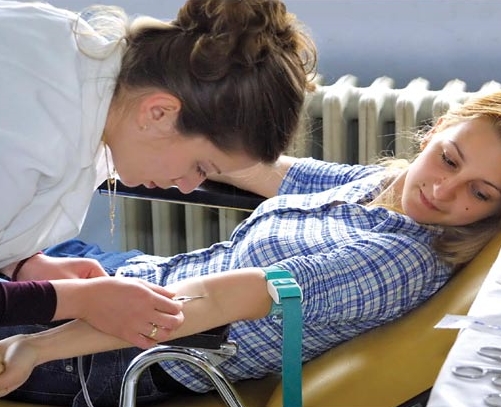
A phlebotomist technician is responsible for drawing blood samples from patients for tests, transfusions, donations, or research. They play a vital role in the healthcare diagnostic process, ensuring proper sample collection and safety protocols are maintained.
Prerequisites and Eligibility for Phlebotomy Training
Before starting your phlebotomist technician training, ensure you meet these standard prerequisites:
- High school diploma or GED
- Basic understanding of human anatomy
- Strong communication skills
- Ability to handle stressful situations and work with patients empathetically
- Background check (varies by state and employer)
How to Choose the Right Phlebotomy Training Program
Selecting an accredited and comprehensive phlebotomy training program is crucial. Here’s what to consider:
- Accreditation by reputable bodies (e.g., National Accrediting Agency for Clinical Laboratory Sciences – NAACLS)
- Hands-on clinical practice opportunities
- Course flexibility (online, in-person, hybrid options)
- Program duration and cost
- Employment support and job placement assistance
Steps to Become a Certified Phlebotomist Technician
1.Complete Approved Phlebotomy Training
Enroll in a recognized training program that covers both theory and practical skills. The course typically lasts between 4 to 12 weeks, depending on the program.
2. Gain Hands-On Practical Experience
Most accredited programs include clinical rotations where you practice blood draws under supervision. This practical experience is essential for building confidence and competence.
3. Pass the Certification Exam
After completing training,you’ll need to pass a national certification exam. Popular certifying agencies include:
- American Society for Clinical Pathology (ASCP)
- National Healthcareer Association (NHA)
- American medical Technologists (AMT)
4.Obtain state Licensure if Required
Some states require licensure or registration for phlebotomists. Check your state’s regulations to ensure compliance.
5. Start Your Job Search
With certification and licensure (if needed), you can begin applying for phlebotomy positions in hospitals, clinics, blood donation centers, and more.
Benefits of Becoming a Certified Phlebotomist
- Higher earning potential
- Greater job security
- Opportunities for specialization (e.g., pediatric phlebotomy)
- Enhanced professional credibility
- Pathway into broader healthcare careers
Practical Tips for Aspiring Phlebotomists
- Practice diligently: The more blood draws you perform during training, the more confident you’ll be.
- Prioritize safety: Follow all infection control and safety protocols meticulously.
- Improve communication: Skillful patient interaction eases procedures and builds trust.
- Stay updated: Keep abreast of new techniques, tools, and regulations in phlebotomy.
Case Study: From Novice to Certified Phlebotomist
| Stage | Experience | Outcome |
|---|---|---|
| Enrollment | Attended accredited training program | Gained essential skills and hands-on practice |
| Certification | Successfully passed national exam | Earned certification from NHA |
| Employment | Applied to local hospitals | Secured a full-time phlebotomy technician role |
Conclusion
Embarking on a career as a certified phlebotomist technician is an accessible and rewarding pathway into the healthcare industry.By completing a reputable training program, obtaining certification, and gaining practical experience, you set yourself up for a promising career that makes a tangible difference in patients’ lives. Whether you’re seeking stable employment,flexible hours,or the opportunity for professional growth,phlebotomy offers excellent prospects. Start your journey today and become a vital part of healthcare teams dedicated to patient care and diagnostic excellence!
Meta Details
Meta title: Ultimate Guide to Phlebotomist Technician Training: Become Certified & Start Your Healthcare Career Today
Meta description: Discover the comprehensive pathway to becoming a certified phlebotomist technician. Learn about training, certification, job opportunities, and practical tips to succeed in healthcare.