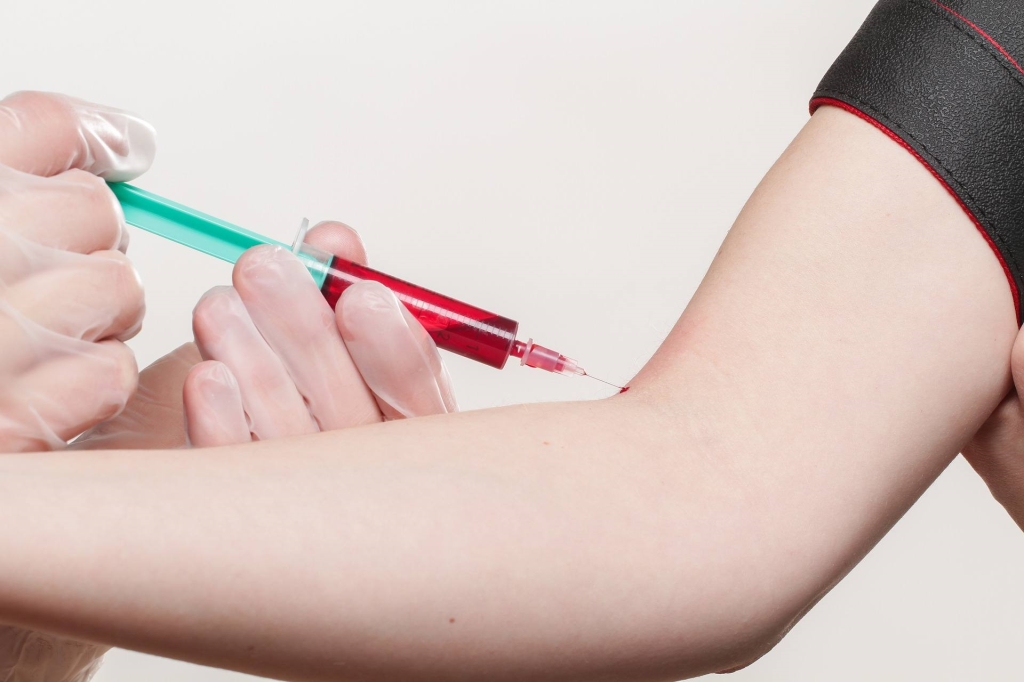
The Ultimate Guide to Phlebotomy Needles: Types,Safety Tips,and Best Practices
Phlebotomy needles are essential tools in medical laboratories,clinics,and hospitals for collecting blood samples accurately and safely.whether you’re a healthcare professional, a student, or someone just curious about blood collection processes, understanding the various types of phlebotomy needles, safety considerations, and best practices is crucial. This comprehensive guide aims to provide valuable insights into these critical aspects, ensuring safe procedures, patient comfort, and adherence to healthcare standards.
Understanding Phlebotomy Needles
Phlebotomy needles are specialized medical devices used to puncture veins and draw blood. Their design and size can vary depending on usage, patient needs, and safety requirements. Selecting the right needle is vital for patient comfort, sample integrity, and adherence to safety protocols.
Types of Phlebotomy Needles
Different types of phlebotomy needles serve specific purposes. Below is a detailed overview of common needle types used in blood collection:
1. Butterfly Needles (Winged Infusion Sets)
- Features a slender, flexible needle with plastic wings for easy handling.
- Ideal for small or fragile veins, pediatric patients, or challenging venous access.
- Allows for greater control during insertion.
2. Standard Syringe Needles
- Attach to a syringe, allowing the practitioner to draw blood manually.
- Useful for small blood volumes or when precise control is needed.
- Typically used in laboratory settings.
3. Vacuum Blood Collection Needles (Vacutainer Needles)
- Designed to work with vacuum tubes for blood collection.
- Designed to create a vacuum within the tube,drawing blood automatically.
- Most common in clinical settings for multiple tests.
4. Winged Collection Sets
- Similar to butterfly needles but come with integrated collection tubing.
- permits multiple draw sites and easier blood collection.
Choosing the Right Needle: Factors to consider
| Factor | Consideration |
|---|---|
| Gauge Size | Range from 21G to 23G for routine draws; smaller gauges for delicate veins. |
| needle Length | Typically 1 to 1.5 inches; longer needles for deep veins. |
| Patient Comfort | Select smaller gauge for sensitive or anxious patients. |
| Safety Features | Ensure needles have safety mechanisms to prevent needlestick injuries. |
Safety Tips for Handling Phlebotomy Needles
Handling phlebotomy needles safely is paramount to prevent needlestick injuries,infections,and accidental contamination. Here are essential safety tips:
- Use Personal Protective Equipment (PPE): Always wear gloves, eye protection, and lab coats.
- Follow Proper Technique: Insert the needle correctly, avoid excessive force, and stabilize the vein.
- Utilize Safety-Featured Needles: Use needles with built-in safety devices or retractable features.
- avoid Recapping Needles: Do not recap used needles to prevent accidental puncture.
- Dispose of needles Properly: Immediately discard used needles into sharps containers designed for biomedical waste.
- Maintain a Clean Work Surroundings: Ensure all surfaces are disinfected regularly.
Best Practices for Blood Collection Using Phlebotomy Needles
Implementing best practices ensures quality specimen collection and patient safety. Key practices include:
- Verify Patient Identity: Double-check patient details before proceeding.
- Explain Procedure: Inform the patient to reduce anxiety.
- Prepare equipment: gather all necessary supplies and inspect needles.
- Choose the Correct Site: Typically,the antecubital fossa or back of the hand.
- Apply Tourniquet: To engorge veins, but do not leave on for longer than 1 minute.
- insert the Needle at the Correct Angle: Usually 15-30 degrees relative to the skin surface.
- Secure the Needle: To prevent movement during blood draw.
- Collect Blood Efficiently: Avoid excessive probing or multiple attempts.
- Withdraw and Dispose Properly: Remove the needle carefully and discard safety devices safely.
Benefits and Practical Tips of Using Phlebotomy Needles
- Ensures Sample Integrity: Proper needle use minimizes hemolysis or contamination.
- Increases Patient Comfort: Using appropriate needle gauges and techniques reduces pain.
- Protects Healthcare Workers: Safety features reduce needlestick injuries.
- Streamlines Workflow: Efficient procedures save time and resources.
Real-Life Case Study: Improving Blood Collection Safety
In a busy outpatient clinic, staff noticed increased needlestick injuries and specimen quality issues. After implementing the following measures, improvements were seen:
- Switching to safety-engineered phlebotomy needles.
- Enhanced staff training on proper insertion techniques.
- Adopting standardized safety protocols for disposal.
Results included a 40% reduction in injuries and improved patient experience due to less discomfort.This highlights the importance of investing in quality needles and safety practices.
First-Hand Experience: Tips from a Phlebotomist
“Using the right needle size makes all the difference. I prefer 21G for most adults as it balances patient comfort and sample quality. Safety features like retractable needles provide peace of mind, especially in high-volume clinics.Always double-check your supplies before starting, and never rush — patient safety is the top priority.” — Jane D.,Certified Phlebotomist
Conclusion
Choosing the appropriate phlebotomy needle,adhering to safety standards,and following best practices are critical components of effective blood collection. From understanding different needle types to implementing safety tips, healthcare professionals can substantially enhance patient comfort, protect staff, and ensure high-quality samples. Continuous education and adopting innovative safety features will foster a safer and more efficient blood collection environment.
Remember, safe and proper use of phlebotomy needles is a cornerstone of quality healthcare. Equip yourself with knowledge, prioritize safety, and always aim for excellence in every blood draw.