The Art of Phlebotomy: Inside the Lives of Healthcare Professionals Who Draw Blood
Phlebotomy, the practice of drawing blood for laboratory testing, donations, or transfusions, is an essential yet often underappreciated facet of healthcare. Behind every prosperous blood draw is a skilled healthcare professional known as a phlebotomist. These professionals play a vital role in diagnosing illnesses, monitoring health conditions, and ensuring patient safety. In this comprehensive article, we will explore the art of phlebotomy, delve into the daily lives of healthcare professionals who perform blood draws, discuss the benefits of this profession, and offer practical tips for aspiring phlebotomists.
What is Phlebotomy?
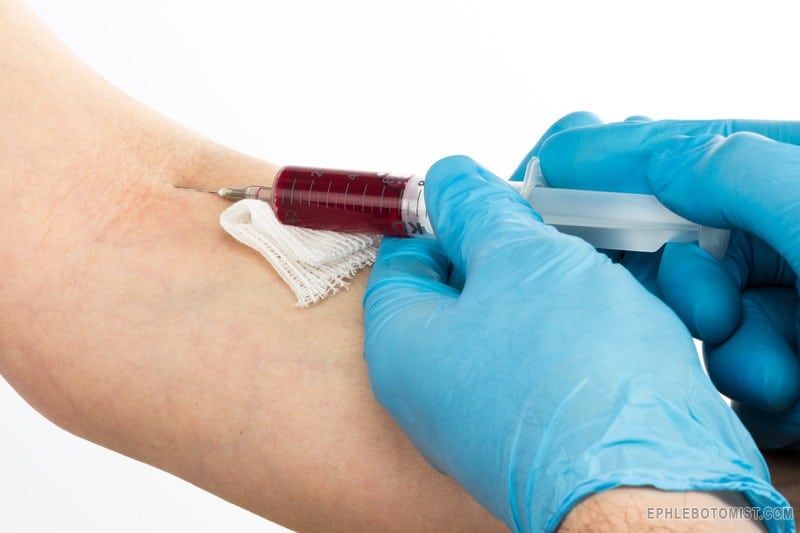
Phlebotomy is the process of collecting blood samples from patients for medical testing, transfusions, research, or donations. Although seemingly simple, it requires precision, patience, and a keen understanding of human anatomy. The professionals who perform these procedures are known as phlebotomists,and they are trained to ensure the procedure is safe,pleasant,and accurate.
The Role of Phlebotomists in Healthcare
Phlebotomists are critical members of the healthcare team. They interface directly with patients, often providing reassurance during what can be a stressful process. Their responsibilities include:
- Preparing patients and explaining the procedure
- Gathering necessary medical data
- Performing blood draws accurately and efficiently
- Labeling specimens correctly for laboratory analysis
- Maintaining sterile techniques and safety protocols
- Ensuring proper specimen storage and transportation
By mastering these functions, phlebotomists help facilitate diagnoses and treatment plans that can be life-saving or health-enhancing for patients.
Skills and Qualities of a Successful Phlebotomist
Being a proficient phlebotomist requires a specialized skill set coupled with key personal qualities:
- steady Hands: Precision in needle insertion to minimize discomfort and avoid hemolysis.
- Excellent Dialog Skills: Comforting and explaining procedures to diverse patient populations.
- Attention to Detail: Proper labeling and handling of specimens.
- Patience and Empathy: Dealing with anxious or difficult patients.
- Physical Dexterity: Handling equipment and maintaining sterile techniques.
- Knowledge of Anatomy: Understanding veins and arterial structures.
Education and Certification for Phlebotomists
While requirements may vary by state or country,a typical pathway to becoming a certified phlebotomist includes:
- Completing a >post-secondary phlebotomy training program that covers anatomy,safety procedures,and practical skills
- Gaining clinical experience through externships or supervised practice
- Passing a certification exam,such as those offered by the American Society for Clinical Pathology (ASCP) or National Phlebotomy association (NPA)
Certification enhances employability and demonstrates professional competency,which is highly valued in healthcare facilities.
The Daily Life of a Healthcare Professional Who Draws Blood
Working as a phlebotomist can be a rewarding yet demanding experience. Here’s what a typical day might look like:
- preparing the clinical area with necessary supplies and ensuring sterilization
- Reviewing patient appointment schedules
- Greeting patients, explaining procedures, and alleviating anxiety
- Drawing blood with precision, often multiple times per day
- Labeling and documenting specimens in accordance with protocols
- Collaborating with laboratory personnel and other healthcare team members
- Maintaining cleanliness and safety standards throughout the shift
some phlebotomists work in hospitals, clinics, blood donation centers, or outpatient labs. The work surroundings is fast-paced and sometimes physically demanding but offers opportunities for continuous learning and professional growth.
Benefits and Practical Tips for Aspiring Phlebotomists
Choosing a career in phlebotomy offers numerous benefits:
| Benefit | Description |
|---|---|
| Growing Job Market | High demand across healthcare settings, with job stability |
| Flexible Schedules | Part-time and full-time options available, with varied shifts |
| entry-Level Opportunities | Relatively rapid training programs lead to certification and employment |
| Personal Satisfaction | Helping people and contributing to life-saving processes |
practical Tips for Aspiring Phlebotomists
- Research accredited training programs in your area
- gain hands-on experience through externships or volunteer opportunities
- Obtain certification to verify your skills
- Develop excellent bedside manner to make patients comfortable
- Stay current with industry best practices and technological advances
Case Study: A Day in the Life of a Certified Phlebotomist
Meet Lisa, a certified phlebotomist working in a busy outpatient clinic. On her typical day, Lisa handles about 50 blood draws, manages anxious pediatric patients, and ensures timely specimen processing. Her steady hands, calm demeanor, and professional expertise enable her to perform smoothly despite the hectic schedule. Her dedication highlights the rewarding nature of the profession and its impact on patient care.
First-hand Experience: The Compassionate Touch
many phlebotomists find fulfillment in the personal interactions they have with patients. For many, the most rewarding moments are helping a frightened child feel safe or reassuring an elderly patient who fears needles.Developing a compassionate touch and excellent technical skills makes all the difference in this profession.
Conclusion
The art of phlebotomy is much more than just drawing blood; it’s a blend of technical skill, empathy, and professionalism. Healthcare professionals in this field play a crucial role in diagnosing and treating patients, frequently enough serving as the first point of contact in the diagnostic process. for those considering a career in healthcare, becoming a trained and certified phlebotomist offers a fulfilling path with excellent job prospects, opportunities for growth, and the chance to make a positive impact in people’s lives.Whether you’re fascinated by healthcare or seeking a meaningful career, mastering the art of phlebotomy can be your gateway into the dynamic world of medical sciences.