# Define Phlebotomist: The Unsung Heroes of Healthcare
## Introduction
In the intricate web of healthcare professionals, phlebotomists play a crucial role that often goes underappreciated. But what exactly is a phlebotomist? In this comprehensive guide, we will delve into the world of phlebotomy, exploring the responsibilities, skills, and importance of these essential healthcare workers.
## What is a Phlebotomist?
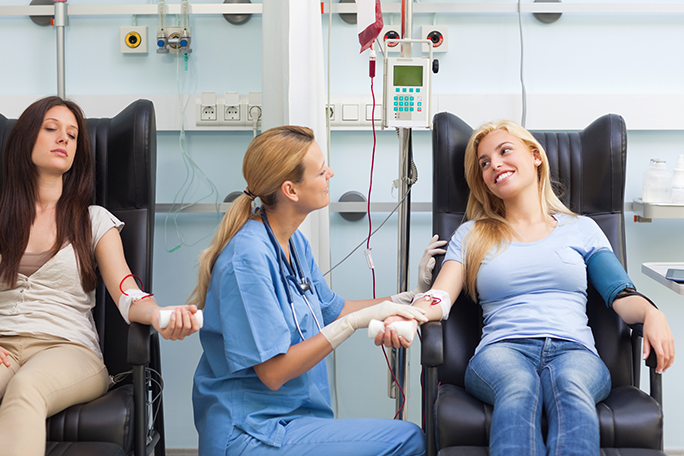
A phlebotomist is a trained medical professional responsible for drawing blood from patients for various purposes, such as diagnostic testing, blood donations, or transfusions. This specialized skill set requires precision, empathy, and attention to detail, as phlebotomists work directly with patients to collect blood samples safely and efficiently.
### Key Responsibilities of a Phlebotomist:
– Performing venipunctures to collect blood samples
– Labeling and storing blood samples properly
– Understanding and following specific protocols for different tests
– Maintaining a clean and organized work environment
– Interacting with patients to ensure their comfort and safety
## Skills and Qualifications
Becoming a phlebotomist requires specific training and qualifications to perform the job effectively. While the exact requirements may vary depending on the location and employer, common qualifications include:
– Completion of a phlebotomy training program or certification course
– Knowledge of anatomy, physiology, and medical terminology
– Strong communication skills and the ability to interact with patients professionally
– Attention to detail and the ability to follow precise instructions
– Certification from a recognized phlebotomy organization, such as the National Phlebotomy Association or the American Society of Phlebotomy Technicians
## Benefits of Choosing a Career as a Phlebotomist
There are several benefits to pursuing a career as a phlebotomist, including:
– Job Stability: The demand for phlebotomists is expected to grow as the population ages and healthcare services expand.
– Flexibility: Phlebotomists can work in a variety of healthcare settings, from hospitals and clinics to blood donation centers and laboratories.
- Personal Fulfillment: Helping patients by providing essential blood samples for diagnosis and treatment can be highly rewarding.
– Career Advancement: With experience and additional training, phlebotomists can pursue opportunities for advancement in the healthcare field.
## Practical Tips for Aspiring Phlebotomists
If you are considering a career as a phlebotomist, here are some practical tips to help you succeed:
– Research different training programs and certification options to find the best fit for your goals.
– Practice your venipuncture techniques regularly to improve your skills and confidence.
– Develop strong communication skills to interact effectively with patients and colleagues.
– Stay updated on the latest trends and developments in phlebotomy to enhance your knowledge and expertise.
## Conclusion
Phlebotomists are the unsung heroes of healthcare, playing a vital role in collecting blood samples that are essential for diagnostic testing, treatment, and research. With the right training, skills, and qualifications, you can embark on a rewarding career as a phlebotomist and make a meaningful difference in the lives of patients. Whether you are drawn to the technical aspects of blood collection or the opportunity to help others, phlebotomy offers a unique and fulfilling career path that is worth exploring.
phlebotomists are essential members of the healthcare team, contributing to the diagnosis and treatment of patients through the collection of blood samples. By understanding the responsibilities, skills, and qualifications required to become a phlebotomist, you can take the first steps towards a fulfilling and impactful career in healthcare.