Phlebotomy Training And Certification: Everything You Need To Know
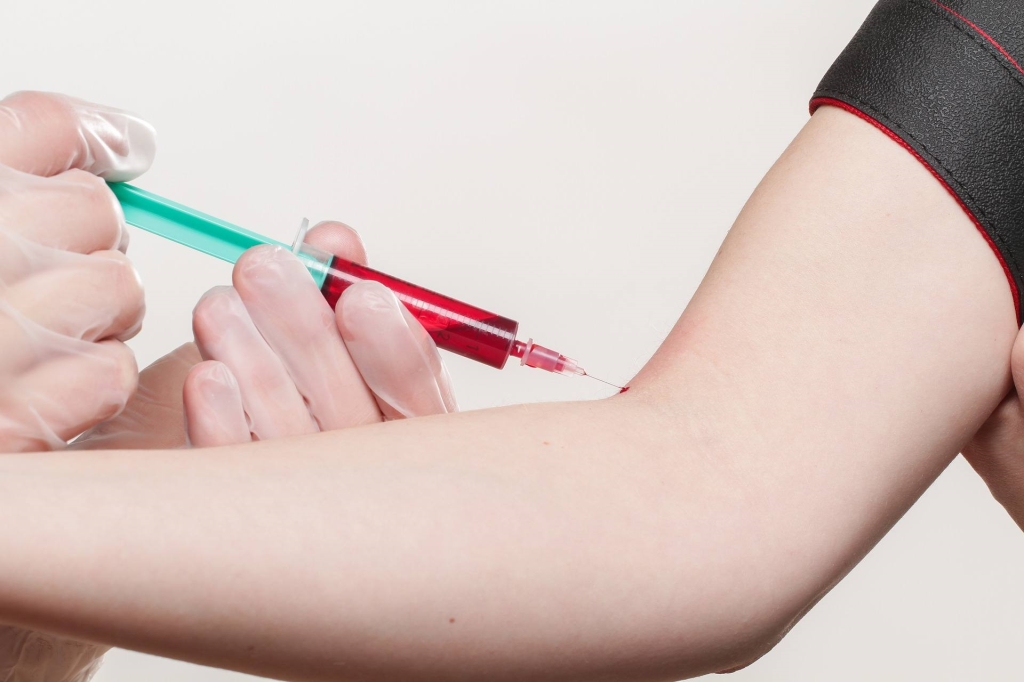
Are you interested in pursuing a career in the healthcare field? Have you considered becoming a phlebotomist? Phlebotomy is the practice of drawing blood from patients for medical testing, transfusions, donations, or research. It’s a crucial role in the healthcare industry, and proper training and certification are essential to excel in this profession. In this article, we will discuss the importance of phlebotomy training and certification, its benefits, and practical tips for pursuing a successful career as a certified phlebotomist.
The Importance of Phlebotomy Training and Certification
Phlebotomy training and certification are vital for several reasons:
- Quality Assurance: Certified phlebotomists are trained professionals who follow established protocols and safety measures to ensure accurate and safe blood collection.
- Patient Safety: Proper training helps phlebotomists avoid any potential risks or complications during the blood collection process, ensuring patient safety at all times.
- Professionalism: Certification demonstrates competence and dedication to the profession, enhancing your credibility and employability in the job market.
- Career Advancement: Certified phlebotomists have better job prospects, higher earning potential, and opportunities for career growth in the healthcare industry.
How to Become a Certified Phlebotomist
If you’re interested in becoming a certified phlebotomist, here’s a step-by-step guide to help you achieve your goal:
- Enroll in a phlebotomy training program: Look for accredited phlebotomy training programs that provide comprehensive coursework and hands-on experience in blood collection techniques.
- Complete your phlebotomy training: Participate in practical training sessions to develop your skills in venipuncture, specimen collection, patient interaction, and safety practices.
- Pass a phlebotomy certification exam: Upon completing your training, you’ll need to pass a certification exam to become a certified phlebotomist. The most common certification exams include the National Healthcareer Association (NHA) Certified Phlebotomy Technician (CPT) exam and the American Society for Clinical Pathology (ASCP) Phlebotomy Technician (PBT) exam.
- Obtain your phlebotomy certification: Once you pass the certification exam, you’ll receive your phlebotomy certification, which validates your competence and professionalism as a phlebotomist.
- Maintain your certification: To keep your certification current, you’ll need to renew it periodically by fulfilling continuing education requirements and staying up-to-date on the latest developments in the field.
Benefits of Phlebotomy Training and Certification
There are numerous benefits to obtaining phlebotomy training and certification:
| Benefits | Description |
|---|---|
| Job Security | Certified phlebotomists are in high demand in hospitals, clinics, laboratories, and blood donation centers. |
| Professional Growth | Certification opens up opportunities for career advancement and specialization in areas such as pediatric phlebotomy, geriatric phlebotomy, or laboratory management. |
| Competitive Salary | Certified phlebotomists typically earn higher salaries than non-certified phlebotomists due to their specialized skills and credentials. |
| Job Satisfaction | Helping patients and contributing to their healthcare outcomes can be a rewarding and fulfilling experience for phlebotomists. |
Practical Tips for Success
Here are some practical tips to help you succeed as a certified phlebotomist:
- Develop strong communication skills to interact effectively with patients and healthcare professionals.
- Practice good phlebotomy techniques regularly to maintain your proficiency and confidence in blood collection.
- Stay updated on industry trends, best practices, and new technologies to enhance your knowledge and skills.
- Network with other healthcare professionals, attend conferences, and join professional organizations to expand your professional connections and opportunities.
Conclusion
Phlebotomy training and certification are essential for anyone aspiring to become a successful phlebotomist in the healthcare field. By acquiring the necessary skills, knowledge, and credentials, you can enhance your career prospects, job satisfaction, and earning potential in this rewarding profession. Remember to stay committed to your professional growth, continuously improve your skills, and maintain your certification to excel in your phlebotomy career.
Are you ready to embark on your phlebotomy training journey? With dedication, hard work, and the right training, you can become a certified phlebotomist and make a positive impact in the healthcare industry. Start your phlebotomy career today!