Phlebotomy Tech Job Description: Key Responsibilities, Skills, and Career Path Insights
In the healthcare world, phlebotomy technicians play an essential role in patient care. With their specialized skills, they ensure that blood is drawn safely and correctly, allowing for accurate diagnoses and effective treatment plans. In this article, we explore the phlebotomy tech job description, focusing on key responsibilities, vital skills, career path insights, and tips for entering this rewarding field.
What is a Phlebotomy Technician?
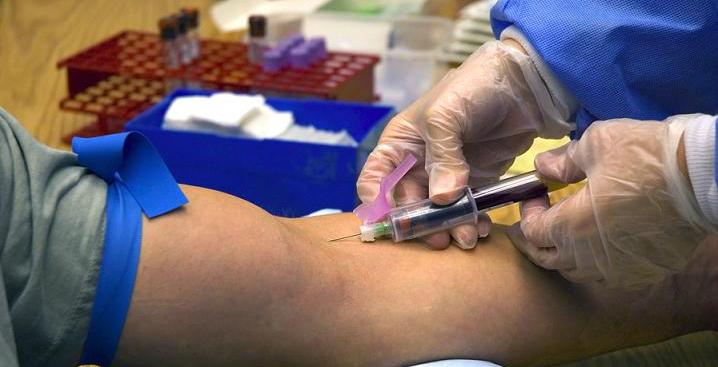
A phlebotomy technician (or phlebotomist) is a healthcare professional trained to draw blood from patients. This is necessary for tests, transfusions, research, or blood donations. They work in various healthcare settings, including hospitals, clinics, blood donation centers, and laboratories.
Key Responsibilities of a Phlebotomy Technician
Phlebotomy technicians have a wide range of responsibilities, which may vary based on their workplace. Below are the primary duties associated with this position:
- Performing blood draws from patients using various techniques
- Preparing patients for procedures and explaining the process to alleviate fears
- Ensuring the cleanliness and safety of drawing sites
- Labeling and handling blood samples for accurate tracking and analysis
- Maintaining records of blood draws and assisting with inventory management of medical supplies
- Adhering to safety protocols to prevent infections or accidents
- Working with medical staff to ensure quality patient care
Essential Skills for Phlebotomy Technicians
To excel in their roles, phlebotomy technicians must possess a unique blend of technical skills, interpersonal abilities, and professional attributes. Here are some of the key skills required:
- Attention to Detail: Precision in drawing blood and labeling samples is essential for patient safety and accurate results.
- Communication Skills: Effective communication with patients and medical teams is crucial to ensure a smooth process.
- Technical Proficiency: Familiarity with phlebotomy tools and techniques is mandatory.
- Compassion and Empathy: Ability to comfort and reassure patients who may feel anxious or fearful about blood tests.
- Time Management: Efficiently managing time during draws, especially in busy healthcare settings, is vital.
Career Path Insights
The journey to becoming a phlebotomy technician can vary based on education and certification paths. Here’s a straightforward overview:
| Steps to Become a Phlebotomy Technician | Description |
|---|---|
| 1. Education and Training | Complete a phlebotomy training program, typically lasting a few months, focusing on blood collection techniques and patient care. |
| 2. Certification | Obtain certification through reputable organizations such as the American Society for Clinical Pathology (ASCP) or National Phlebotomy Association (NPA). |
| 3. Gain Experience | Work in various healthcare settings to gain hands-on experience and enhance skills. |
| 4. Continuing Education | Stay updated with the latest techniques and industry standards through workshops and additional certifications. |
Benefits of a Phlebotomy Career
Choosing to pursue a career as a phlebotomy technician comes with several benefits:
- Job Stability: The demand for skilled phlebotomy technicians continues to grow as healthcare needs expand.
- Flexibility: Many positions offer flexible hours, making it convenient for work-life balance.
- Career Advancement: Opportunities to advance into supervisory or specialized roles, such as laboratory technicians.
- Satisfaction: Contributing to patient care is rewarding, knowing that your work helps in diagnosis and treatment.
Practical Tips for Aspiring Phlebotomy Technicians
- Shadow Professionals: Spend time with experienced phlebotomists to understand day-to-day operations.
- Practice Techniques: Develop your skills through practice in a controlled environment before working with actual patients.
- Stay Updated: Join professional organizations to network and learn about industry news.
- Cultivate Soft Skills: Focus on improving communication and empathetic interactions, as patient comfort is essential.
First-Hand Experience: Insights from a Phlebotomy Technician
To offer additional perspective, we spoke to Jane Doe, a certified phlebotomy technician with over five years of experience.
“Phlebotomy is not just about drawing blood. It’s about understanding patients and building trust. I’ve had patients who were terrified of needles, and being able to reassure them is incredibly rewarding. My job allows me to be a part of their healthcare journey, which I find deeply fulfilling.”
Conclusion
a career as a phlebotomy technician is both rewarding and promising. With a focus on patient care, safety, and continuous skill development, it provides a solid foundation for those interested in healthcare. By understanding the job description, responsibilities, and essential skills, aspiring phlebotomists can better prepare themselves for a successful career. Whether you’re taking your first steps or seeking to advance in this field, the right training and mindset can open many doors in the healthcare industry.