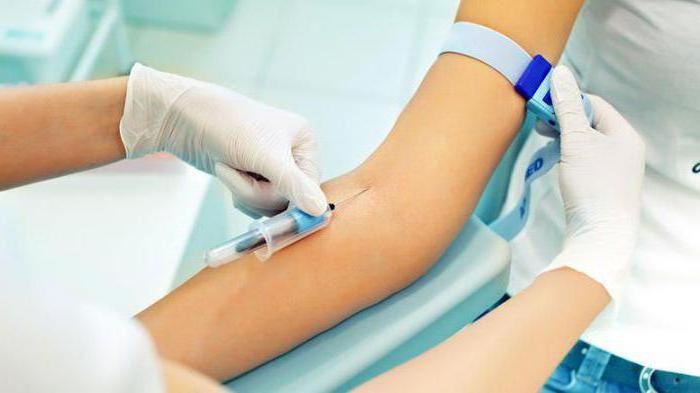
Title: The Complete Guide to Phlebotomy Education and Training: Everything You Need to Know
Introduction:
Phlebotomy, the practice of drawing blood from patients for medical testing, transfusions, donations, or research, is a critical healthcare skill. Phlebotomists play a vital role in patient care by ensuring blood samples are collected accurately and safely. If you have a passion for helping others and are interested in a career in healthcare, becoming a phlebotomist could be a rewarding path for you.
In this comprehensive guide, we will explore everything you need to know about phlebotomy education and training. From the requirements to become a phlebotomist to the best programs to pursue, we’ve got you covered.
Requirements for Phlebotomy Education and Training:
To become a certified phlebotomist, you must meet specific requirements for education and training. Here are the key steps to kickstart your phlebotomy career:
1. High School Diploma or GED: Most phlebotomy training programs require applicants to have a high school diploma or General Education Development (GED) equivalent.
2. Phlebotomy Training Program: Enroll in an accredited phlebotomy training program. These programs can vary in length and content but typically include classroom instruction, hands-on training, and a clinical externship.
3. Certification: While certification is not always required to work as a phlebotomist, many employers prefer to hire certified candidates. The most common certifications for phlebotomists include the Certified Phlebotomy Technician (CPT) and the Registered Phlebotomy Technician (RPT) credentials.
4. Continuing Education: Even after becoming certified, phlebotomists should participate in continuing education to stay current on best practices and advancements in the field.
Best Phlebotomy Training Programs:
When choosing a phlebotomy training program, it’s essential to select one that is accredited and recognized by industry organizations. Here are some of the top phlebotomy training programs in the United States:
1. Phlebotomy Career Training: With locations in Michigan and online options available, Phlebotomy Career Training offers comprehensive phlebotomy training programs for aspiring phlebotomists.
2. National Phlebotomy Association: The National Phlebotomy Association offers training programs and certification exams for phlebotomists looking to advance their careers.
3. American Society for Clinical Pathology: The American Society for Clinical Pathology (ASCP) offers a variety of training programs and resources for phlebotomists at all stages of their careers.
Benefits of Pursuing Phlebotomy Education and Training:
There are several benefits to pursuing phlebotomy education and training:
1. Job Security: The healthcare industry is always in need of skilled phlebotomists, providing a stable job outlook for those in the field.
2. Career Advancement: With additional education and certifications, phlebotomists can advance their careers and take on roles with more responsibility.
3. Fulfilling Work: Phlebotomists have the opportunity to make a positive impact on patients’ lives by providing high-quality blood samples for testing and treatment.
Practical Tips for Success in Phlebotomy Education and Training:
Here are some practical tips to help you succeed in your phlebotomy education and training:
1. Practice Vein Selection: Developing the skill to identify the best veins for blood collection is essential for successful phlebotomy.
2. Master Needle Insertion: Proper insertion of the needle is crucial to minimize pain and discomfort for the patient.
3. Improve Communication Skills: Building rapport with patients and putting them at ease during the blood collection process is key to a successful phlebotomy career.
Conclusion:
Phlebotomy education and training provide the foundation for a rewarding career in healthcare. By meeting the requirements, enrolling in a reputable training program, and obtaining certification, you can launch your career as a certified phlebotomist. With job security, opportunities for advancement, and the chance to make a positive impact on patients, pursuing phlebotomy education and training is a valuable investment in your future. Start your journey today towards becoming a skilled and compassionate phlebotomist.