**Title: The Role of Phlebotomists in Healthcare: Responsibilities, Training, and Career Outlook**
**Introduction**
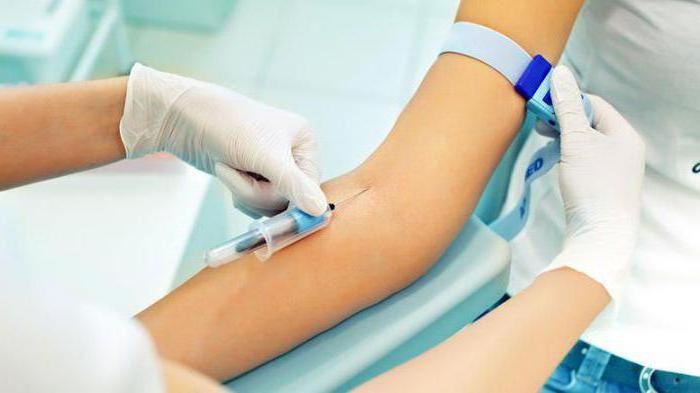
Phlebotomists play a crucial role in the healthcare system by collecting blood samples from patients for various medical purposes. They are skilled professionals who are trained to safely and efficiently draw blood, label samples, and prepare them for laboratory testing. In addition to drawing blood, phlebotomists also play a key role in patient care by ensuring that the blood draw process is conducted with minimal discomfort and maximum safety.
In this article, we will explore the responsibilities of phlebotomists, the training required to become a phlebotomist, and the career outlook for this growing healthcare profession.
**Responsibilities of Phlebotomists**
Phlebotomists are responsible for a variety of tasks related to blood collection and processing. Some of the main responsibilities of a phlebotomist include:
1. **Drawing Blood**: Phlebotomists are trained to safely and painlessly draw blood from patients using a variety of techniques, such as venipuncture and finger sticks.
2. **Labeling and Transporting Samples**: After collecting blood, phlebotomists must carefully label each sample with the patient’s information and ensure that it is transported to the laboratory for testing.
3. **Patient Care**: Phlebotomists must provide compassionate care to patients and ensure that they are comfortable during the blood draw process.
4. **Maintaining Clean and Sterile Work Environments**: Phlebotomists are responsible for maintaining a clean and sterile work area to prevent the risk of infection.
5. **Record Keeping**: Phlebotomists must accurately record and document all blood draws and patient information.
**Training to Become a Phlebotomist**
To become a phlebotomist, individuals must complete a training program that includes both classroom instruction and hands-on experience. Some key steps to becoming a phlebotomist include:
1. **Education**: Phlebotomy training programs are available at community colleges, vocational schools, and healthcare facilities. These programs typically last anywhere from a few weeks to several months and cover topics such as anatomy, physiology, and blood collection techniques.
2. **Certification**: While certification is not always required to work as a phlebotomist, many employers prefer to hire certified phlebotomists. The National Healthcareer Association (NHA) and the American Society for Clinical Pathology (ASCP) are two organizations that offer phlebotomy certification exams.
3. **Hands-On Experience**: In addition to classroom instruction, phlebotomy training programs include hands-on experience in drawing blood from patients. This practical experience is essential for developing the skills needed to work as a phlebotomist.
**Career Outlook for Phlebotomists**
The demand for phlebotomists is expected to grow in the coming years due to an aging population and the increasing need for medical testing. According to the Bureau of Labor Statistics, employment of phlebotomists is projected to grow by 25% from 2016 to 2026, much faster than the average for all occupations.
**Benefits and Practical Tips**
– Excellent job outlook: The increasing demand for phlebotomists means that job opportunities are abundant in hospitals, clinics, and laboratories.
– Flexibility: Phlebotomists often have flexible work schedules, including part-time and evening shifts.
– Career advancement: With experience and additional training, phlebotomists can advance to supervisory roles or pursue further education in healthcare.
**Conclusion**
Phlebotomists play a vital role in the healthcare system by collecting blood samples for medical testing. Their responsibilities include drawing blood, labeling samples, and providing compassionate care to patients. To become a phlebotomist, individuals must complete a training program and may choose to become certified. The demand for phlebotomists is expected to grow in the coming years, making it an excellent career choice for those interested in healthcare.
phlebotomists are essential members of the healthcare team, and their work is crucial for accurate diagnosis and treatment of patients. If you are considering a career as a phlebotomist, now is an excellent time to pursue this rewarding and in-demand profession.