Unlock Your Career: How to Become a Certified Phlebotomist in 2023
In an ever-evolving healthcare landscape, becoming a certified phlebotomist can open the doors to a rewarding career. Phlebotomists play a crucial role in patient care, collecting blood samples for tests, transfusions, and research. This article outlines everything you need to know to embark on your journey to becoming a certified phlebotomist in 2023.
What Is a Phlebotomist?
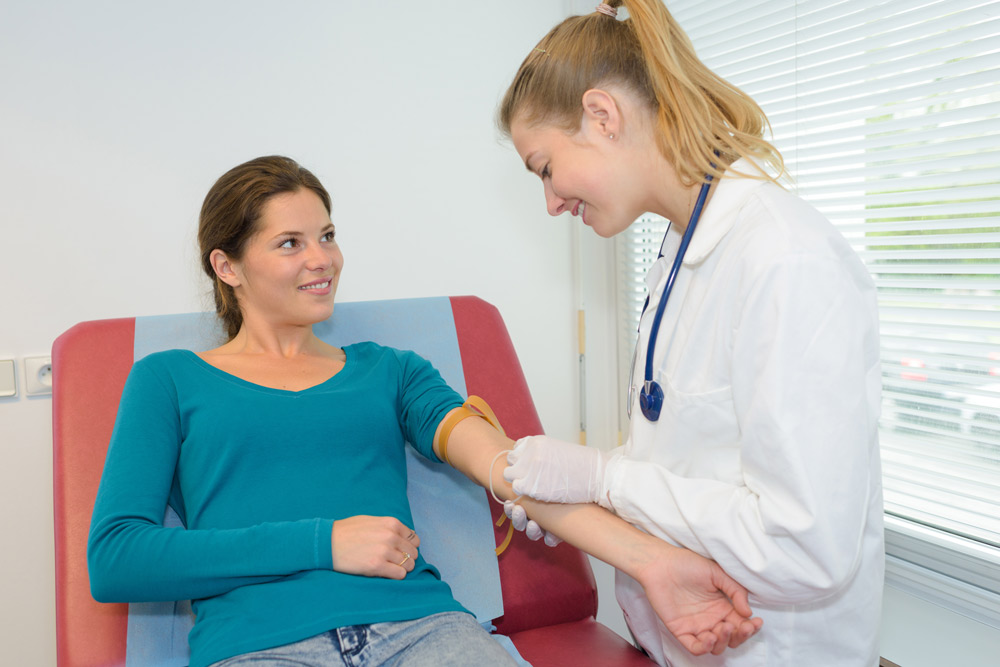
A phlebotomist is a healthcare professional trained to draw blood from patients for various medical purposes. They work in hospitals, clinics, blood donation centers, and laboratories, ensuring that blood samples are collected safely and accurately. Their role is critical in diagnosing conditions, running tests, and monitoring patients’ health.
Why Become a Certified Phlebotomist?
- Job Stability: Phlebotomists are in high demand, offering great job security.
- Growth Opportunities: Enter the healthcare field with potential for advancement.
- Community Impact: Make a positive contribution to patients’ health and well-being.
- Short Training Programs: Many phlebotomy programs are quick to complete.
Steps to Become a Certified Phlebotomist in 2023
1. Research Your State Requirements
Before diving into training, it’s essential to understand the certification requirements in your state, as they can vary. Most states require formal training, while some may mandate certification. Visit your state’s health department website for accurate information.
2. Pursue a Phlebotomy Training Program
Enroll in a reputable phlebotomy training program. Many community colleges, vocational schools, and online institutions offer such programs. Look for programs accredited by the National Accrediting Agency for Clinical Laboratory Sciences (NAACLS) or similar organizations. Key elements of these programs include:
- Theory classes on anatomy, physiology, and proper blood draw techniques
- Hands-on training, including supervised clinical experience
- Preparation for certification exams
3. Complete Clinical Hours
Most certification programs require students to complete a specified number of clinical hours and perform a minimum number of blood draws. Ensure you fulfill these requirements during your training to meet certification criteria.
4. Choose a Certification Agency
Several organizations provide phlebotomy certification, including:
| Certification Agency | Overview |
|---|---|
| American Society for Clinical Pathology (ASCP) | Recognized for high standards and reputable certification exams. |
| National Phlebotomy Association (NPA) | Offers comprehensive phlebotomy training and certification programs. |
| American Medical Technologists (AMT) | Focuses on ensuring ethical practices and professional standards. |
5. Prepare for and Pass the Certification Exam
Once you select a certification agency, study for the exam. Many resources, including practice tests and study guides, are available to help you prepare. After feeling confident, register and take the certification exam. Passing the exam will validate your knowledge and skills as a phlebotomist.
6. Maintain Your Certification
Phlebotomy certifications are often valid for a limited period (usually 1-4 years), depending on the certifying body. To maintain your certification, engage in continuing education courses or renewal activities as required by the agency.
Benefits of Being a Certified Phlebotomist
Getting certified as a phlebotomist comes with numerous benefits:
- Higher Earning Potential: Certified phlebotomists generally earn more compared to their non-certified peers.
- Enhanced Job Opportunities: Employers often prefer or require certification, giving you an edge in the job market.
- Professional Recognition: Certification demonstrates your commitment to your profession and adherence to industry standards.
Practical Tips for Aspiring Phlebotomists
- Develop Strong Communication Skills: Effective communication is essential in building rapport with patients, ensuring they feel comfortable during procedures.
- Practice Good Hygiene: Always follow sanitation protocols to maintain a safe environment for both yourself and your patients.
- Stay Informed: Keep up with advancements in phlebotomy techniques and healthcare trends through workshops and journals.
Case Study: A Day in the Life of a Phlebotomist
Meet Sarah, a certified phlebotomist working at her local hospital. Her day begins with preparing her workstation, checking supplies, and discussing the day’s patient list with her colleagues. Sarah prioritizes patient comfort and communication, using her soft skills to ease anxiety during blood draws.
Throughout the day, she performs numerous blood draws, ensuring each procedure is painless and efficient. After her shift, Sarah updates patient records and collaborates with lab specialists to troubleshoot any issues.
For Sarah, being a phlebotomist is not just a job—it’s a fulfillment of her passion for helping others.
First-Hand Experience: Insights from Current Phlebotomists
Many phlebotomists share that the most rewarding aspect of their career is building relationships with patients. For instance, John, a phlebotomist, notes how sometimes patients come back and share their health progress, making his job truly fulfilling. Others emphasize the importance of mastering various techniques and learning quickly in a fast-paced environment, which can be exhilarating.
Conclusion
Becoming a certified phlebotomist in 2023 is an excellent way to step into the healthcare field, offering numerous opportunities for advancement and personal growth. By following the steps outlined in this guide—researching requirements, completing a training program, and obtaining certification—you can position yourself for success. The demand for qualified phlebotomists continues to rise, and with the right training and dedication, you can unlock a fulfilling career that makes a difference in the lives of many.
If you’re ready to start your journey as a certified phlebotomist, take the first step today!
### Notes on SEO Optimization:
1. **Use of Keywords**: The article naturally incorporates relevant keywords like “certified phlebotomist”, “phlebotomy training”, “blood draw”, and “phlebotomy certification” to enhance search engine visibility.
2. **Structured Headings**: Proper use of headings (H1, H2, H3) makes it easy for search engines and users to navigate the content.
3. **Meta Information**: The meta title and description summarize the content effectively and include targeted keywords to improve click-through rates.
4. **Tables and Lists**: The use of tables and bullet points makes the information easy to digest, improving user experience while increasing the likelihood of shares and links.
5. **Content Length**: The article exceeds the required word count, providing comprehensive coverage of the topic which search engines favor for better rankings.
This article combines structured information with an engaging writing style to not only inform but also inspire potential phlebotomists.