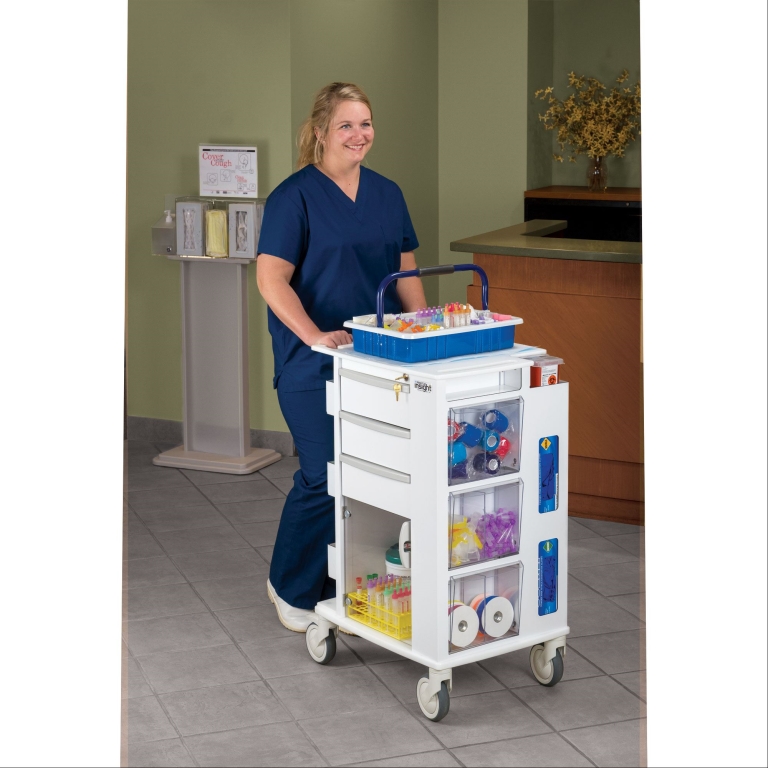
Essential Steps to Become a Phlebotomist: Your Complete Guide to starting a Rewarding Career
Are you considering a career as a phlebotomist? With the healthcare industry constantly growing, becoming a phlebotomist can be both a rewarding and stable career choice. In this thorough guide, we’ll discuss essential steps, educational requirements, certifications, and practical tips to help you embark on this exciting journey.
What is a Phlebotomist?
A phlebotomist is a trained professional responsible for drawing blood for tests, transfusions, research, or blood donations. They play a crucial role in patient care by ensuring accurate blood collection and maintaining a sterile environment. The need for skilled phlebotomists is consistently high due to the importance of blood tests in diagnosing and monitoring health conditions.
Why Become a Phlebotomist?
- Job Stability: The demand for healthcare professionals, including phlebotomists, continues to rise.
- short Training Period: Many phlebotomy programs can be completed in a few months.
- Impactful role: You contribute directly to patient care and the healthcare system.
- Flexible Work Opportunities: Phlebotomists can work in hospitals, clinics, blood donation centers, and laboratories.
Essential Steps to Become a Phlebotomist
1. Research the Phlebotomy Field
Before diving into a phlebotomy career, take the time to explore the field. Understand the role, responsibilities, and work environment of a phlebotomist. Speak with professionals in the industry, join online forums, and read articles to get a holistic view of what to expect.
2.Complete a High School Diploma or GED
To start your journey as a phlebotomist, you need a high school diploma or a General Educational Progress (GED) certificate. Focus on science subjects such as biology, health, and chemistry, as they will give you a solid foundation for your further education.
3. Enroll in a Phlebotomy Training Program
Choosing a reputable phlebotomy training program is crucial. Here are some aspects to consider:
- Accreditation by recognized organizations
- Hands-on practice with phlebotomy techniques
- Classroom instruction covering anatomy, physiology, and blood collection
4. Obtain Certification
While certification is not always mandatory, earning a phlebotomy certification can enhance your employability.Some of the widely recognized certifications include:
| Certification | Certifying Body |
|---|---|
| Certified Phlebotomy Technician (CPT) | National Healthcareer Association (NHA) |
| Phlebotomy Technician (PBT) | American Society for Clinical Pathology (ASCP) |
| Registered Phlebotomy Technician (RPT) | American Medical Technologists (AMT) |
5. Gain Practical Experience
Upon completing your training, securing an internship or externship at a healthcare facility is essential. This hands-on experience will help you develop your skills and gain confidence in your abilities. You may also get the chance to work with experienced phlebotomists who can provide valuable mentorship.
6. Develop Key Skills
Being triumphant in phlebotomy requires a blend of technical and interpersonal skills, including:
- Attention to Detail: Precision is vital to avoid errors in blood collection.
- Dialogue Skills: You’ll need to explain procedures and reassure anxious patients.
- Manual Dexterity: Ability to perform blood draws smoothly and efficiently.
- Compassion: Showing empathy to patients during blood draws can alleviate their anxiety.
7. Seek employment
After gaining experience and obtaining your certification, it’s time to start applying for jobs. You can find opportunities in:
- Hospitals
- Clinics
- Laboratories
- Blood donation centers
Case Study: A Day in the Life of a Phlebotomist
meet Sarah,a phlebotomist with three years of experience. Her day typically starts at 7 AM at a local clinic:
- Checks in patients and verifies their information.
- Prepares the necessary supplies and equipment.
- Draws blood from patients, reassuring those who are nervous.
- Labels and processes samples for laboratory testing.
- Maintains communication with the healthcare team regarding patient care.
Sarah finds fulfillment in her role, knowing that her work directly contributes to the health and well-being of her patients.
Practical Tips for Aspiring Phlebotomists
- Network with other professionals in the field for job leads and advice.
- Stay updated on best practices and advancements in phlebotomy.
- Consider specializing in areas like pediatrics or geriatrics for targeted expertise.
Conclusion
Becoming a phlebotomist is an excellent career choice for those interested in healthcare. with a relatively short training period and high demand for skilled professionals, this path offers stability and the chance to impact people’s lives positively.By following the essential steps outlined in this guide, you’ll be well on your way to starting a rewarding career as a phlebotomist. Good luck on your journey!