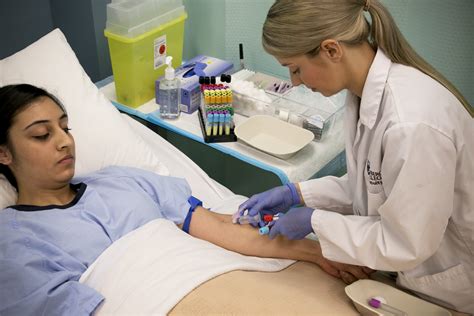
Mastering Phlebotomy: Essential Skills and Tips for Aspiring Blood Collection Professionals
Embarking on a career in phlebotomy can be both rewarding and challenging. As a vital part of the healthcare system, blood collection professionals-commonly known as phlebotomists-play a crucial role in diagnosing and monitoring health conditions. Weather you’re just starting or looking to refine your skills, mastering the art of phlebotomy involves more then just knowing how to draw blood. it requires technical proficiency,patient-centered communication,and adherence to safety standards. In this comprehensive guide, we’ll explore the essential skills, practical tips, and best practices that aspiring blood collection professionals need to excel in their field.
Understanding the Role of a Phlebotomist
Phlebotomists are trained healthcare professionals responsible for drawing blood samples for testing, transfusions, research, or donating blood. Their work directly impacts patient care by ensuring accurate and safe specimen collection. The role demands technical skills, attention to detail, and compassionate interaction with patients of diverse backgrounds.
Key Skills Every Aspiring Blood Collection Professional Must Develop
Mastering phlebotomy involves acquiring a combination of technical expertise and soft skills. Below are the core skills essential for success:
1. Proper Venipuncture Technique
- Choosing the right needle size and vacuum tube
- Locating suitable veins with confidence
- Correctly anchoring the vein to prevent rolling
- Minimizing patient discomfort during the puncture
2. Knowledge of anatomy and Safety Protocols
- Understanding superficial veins and their locations
- Maintaining aseptic techniques to prevent infection
- Practicing proper disposal of sharps and biohazard materials
3. patient Interaction and Communication Skills
- Establishing trust and reassurance
- Explaining procedures clearly to reduce anxiety
- Handling nervous or tough patients diplomatically
4. Attention to detail and Accuracy
- Correctly labeling samples
- Ensuring chain of custody and documentation
- Monitoring for signs of hematoma or complications
5. Knowledge of Equipment and Materials
- Understanding various types of collection tubes and additives
- Proper use and maintenance of collection devices
Practical Tips for Triumphant Phlebotomy
Practicing thes tips can boost your confidence and improve patient outcomes:
- Prepare thoroughly: Gather all necessary supplies beforehand and review patient details.
- Create a pleasant habitat: Ensure privacy and minimize noise or distractions.
- Identify your patient: Verify identity using two identifiers (name and date of birth).
- apply proper technique: Use the appropriate vein and ensure a firm but gentle grip.
- Communicate clearly: Inform the patient about each step to reduce anxiety.
- Monitor your work: Observe for signs of adverse reactions or complications.
- Follow infection control standards: Wash hands, wear gloves, and sterilize equipment.
Benefits of Mastering Phlebotomy Skills
| Benefit | Description |
|---|---|
| Career Advancement | Enhanced skills open doors to specialized roles and certifications. |
| Patient Satisfaction | Comfortable and confident technique improves patient experience. |
| Workplace Efficiency | Accurate specimen collection reduces repeat procedures and delays. |
Case Study: A Day in the Life of an Experienced phlebotomist
Jane Doe, a certified phlebotomist with over five years of experience, shares her insights:
“One of the most important skills I’ve learned is patient rapport. A calm, kind approach helps even the most anxious patients feel at ease.I always double-check labels and equipment to avoid errors. With practice, I’ve become quicker and more accurate, which benefits everyone-patients, colleagues, and myself.”
First-Hand Experience: Overcoming Challenges in phlebotomy
Many aspiring professionals face challenges like difficult veins or patient anxiety. Here are practical tips based on real experiences:
- Severely Difficult Veins: Use a warming pack and gentle tourniquet to make veins more prominent.
- Nervous Patients: Use calming language and provide reassurance throughout the process.
- Handling Adverse Reactions: Know how to respond promptly and seek medical assistance if necessary.
Summary and Conclusion
Mastering phlebotomy skills is a blend of technical proficiency, compassion, and attention to detail. Aspiring blood collection professionals should focus on developing proper venipuncture techniques, understanding safety protocols, and fostering excellent communication with patients. Consistent practice, ongoing education, and real-world experience will serve as the foundation for a successful career in this vital healthcare discipline.
By honing these skills and tips discussed in this guide, you can ensure safe, efficient, and compassionate blood collection-ultimately contributing to better healthcare outcomes and professional growth.
Additional Resources
- American Society of Phlebotomy Technicians
- National Healthcareer Association
- CDC Infection Control Guidelines