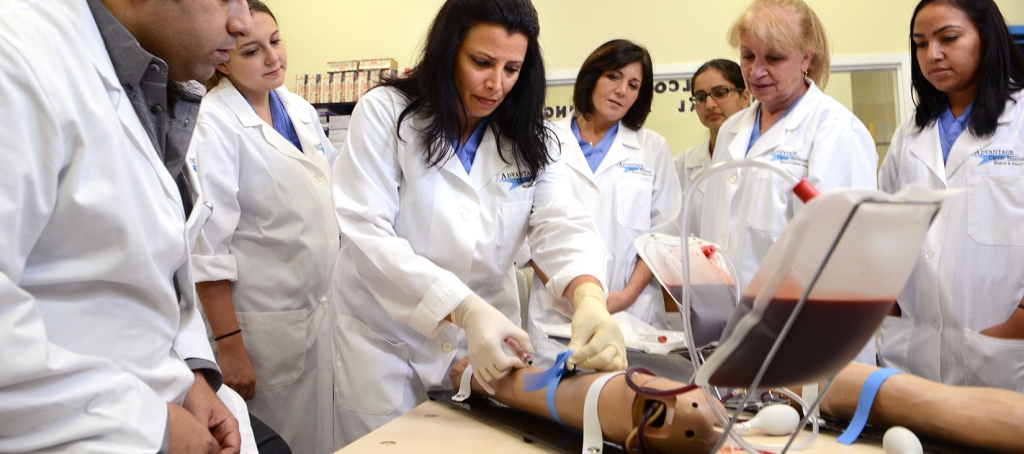
Top 50 Phlebotomy Practice Questions & Answers too Ace Your Certification Exam
If you’re pursuing a career in phlebotomy, passing the certification exam is a vital step toward becoming a skilled and certified phlebotomist. This thorough guide presents the top 50 practice questions and answers designed to help you prepare effectively. Whether you’re a beginner or need a refresher, mastering these questions will boost your confidence and improve your chances of success. Let’s dive into the essentials of phlebotomy, practical exam tips, and real-world scenarios that make studying engaging and effective.
Benefits of Using Practice Questions to Ace Your Phlebotomy Certification
- Enhanced knowlege retention: repetition improves memory and understanding of key concepts.
- Exam readiness: Familiarize yourself with the question format and common topics.
- Identify weaknesses: Focus your study on areas where you need improvement.
- Build confidence: Practice reduces anxiety and increases your self-assurance on exam day.
- Time management skills: Practice questions help you learn to pace yourself during the test.
Top 50 Phlebotomy Practice Questions & Answers
Below are carefully curated questions aligned with the typical phlebotomy certification exam. They cover essential topics including anatomy, specimen collection, safety protocols, and patient care.
1-10: Basic Anatomy & Equipment
-
What is the normal location for a venipuncture?
Answer: The median cubital vein in the antecubital fossa. -
Which of the following is NOT a common blood collection tube additive?
Answer: Calcium chloride (used in certain dental procedures but not typically a blood collection additive). -
What is the primary purpose of tourniquet application during blood collection?
Answer: To enlarge the vein for easier venipuncture by temporarily restricting blood flow. -
Which equipment is essential for a capillary blood draw?
Answer: Lancet and microcollection tubes or slides. -
What angle should the needle be inserted at during venipuncture?
answer: Approximately 15-30 degrees. -
Which color tube is commonly used for serum separation?
Answer: Red-top or SST (serum separator tube). -
What is the typical gauge size used for adult venipuncture?
Answer: 21G or 22G. -
Why is it vital to invert tubes gently after collection?
Answer: To mix the additive with blood without causing hemolysis. -
What is the purpose of an antiseptic wipe before venipuncture?
Answer: To disinfect the skin and reduce the risk of infection. -
Which vein is most preferred for venipuncture?
Answer: Median cubital vein.
11-20: Safety & Patient Care
-
What should you do if a patient experiences dizziness during blood draw?
Answer: Stop the procedure, have the patient sit or lie down, and monitor their condition.
-
Which personal protective equipment (PPE) is necessary during venipuncture?
Answer: Gloves and, if necessary, eye protection. -
How should contaminated needles be disposed of?
Answer: In a sharps container instantly after use.
-
What is hemolysis, and why should it be avoided?
Answer: Hemolysis is the destruction of red blood cells, which can alter test results; gentle handling and correct technique prevent it. -
How do you prevent patient discomfort during venipuncture?
Answer: use proper technique, ensure the patient is comfortable, and communicate effectively.
-
What is an appropriate action if a patient refuses blood draw?
answer: Respect their decision, document the refusal, and inform the supervisor if necessary. -
Why is proper labeling of specimens critical?
Answer: To ensure accurate identification and prevent sample mix-up. -
What is the primary hazard associated with bloodborne pathogens?
Answer: Risk of infection transmission to healthcare workers.
-
How often should you change gloves during a blood collection procedure?
Answer: Between patients or if gloves become contaminated or torn. -
What steps should you take after completing a blood draw?
Answer: Remove and dispose of the needle safely, apply pressure to the site, and label the specimens correctly.
21-30: Handling and Processing Specimens
-
Why is it important to transport specimens at the correct temperature?
Answer: To preserve sample integrity and ensure accurate test results. -
Which tube additive is used to prevent blood clotting?
Answer: EDTA or citrate.
-
What does the abbreviation ‘QNS’ mean on a lab requisition?
Answer: Quantity Not Sufficient. -
How should broken glass or specimen spills be cleaned?
Answer: Use gloves, absorb with paper towels, and disinfect with appropriate solutions. -
Why must specimens be transported immediately after collection?
answer: To prevent degradation or changes that could affect test accuracy. -
Which document must accompany all specimens?
Answer: The lab requisition form. -
what is the purpose of centrifuging a blood sample?
Answer: To separate plasma or serum from blood components. -
What is the significance of clotted blood in a sample?
Answer: It can invalidate tests requiring plasma or serum. -
How do you document a missed or unsuccessful blood draw?
Answer: Record the incident in the patient’s chart and notify the supervisor. -
What is the standard time to centrifuge blood samples?
Answer: Usually within 1-2 hours of collection.
Additional Tips for Success in Phlebotomy Certification
- Practice regularly: Use mock tests and quiz apps to reinforce learning.
- Understand the rationale: Knowing why procedures are performed helps retention.
- Stay updated: Review current guidelines and safety protocols.
- Develop patient rapport: Good dialog eases collection and reduces patient anxiety.
Practical Tips for Aspiring Phlebotomists
- Always verify patient identity before specimen collection.
- Wear proper PPE and follow safety protocols diligently.
- Use correct technique to minimize patient discomfort.
- Label all specimens immediately and accurately.
- Be prepared for challenging venipunctures,stay calm,and adapt as needed.
Case Study: Accomplished Venipuncture in Arduous Patients
Jane, a new phlebotomist, faced a patient who was dehydrated and rolling veins. She used a tourniquet for a longer duration, applied warmth to the hand, and selected a suitable vein. By communicating effectively and maintaining steady hands, she successfully drew blood on the first attempt. This experience underscores the importance of patience,technique,and patient care in phlebotomy.
Conclusion
Mastering the top 50 phlebotomy practice questions and answers is a critical step toward acing your certification exam. Consistent practice, understanding core concepts, and developing good patient care skills will not only help you pass the test but also make you a proficient and confident phlebotomist. Remember, preparation is key. Use these questions as a foundation, supplement with hands-on practice, and stay current with industry standards. Good luck on your journey to becoming a certified phlebotomist!
Ready to take your exam preparation further? Explore our comprehensive phlebotomy training courses and practice exams today!