Is Being a Phlebotomist a Good Career Choice? Pros,cons,and Insights
are you considering a career in the healthcare field but unsure whether becoming a phlebotomist is the right path? With the increasing demand for healthcare professionals,especially in clinical laboratories and hospitals,phlebotomy offers a promising career option. In this extensive guide, we’ll explore the advantages and disadvantages of being a phlebotomist, provide valuable insights, and share practical tips to help you understand if this profession aligns with your goals and interests.
What is a Phlebotomist?
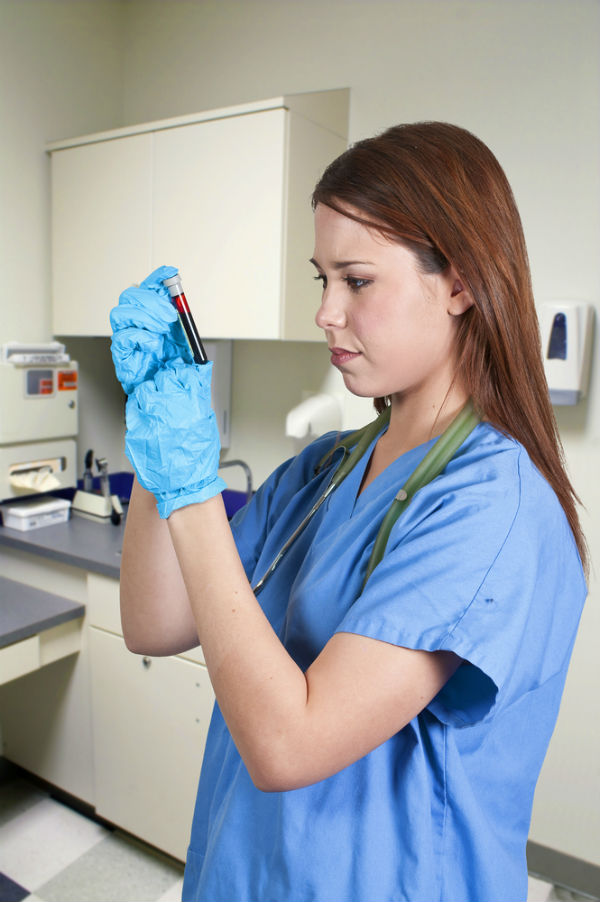
A phlebotomist is a healthcare professional trained to draw blood from patients for laboratory testing, blood donations, or research. They play a vital role in medical diagnostics, ensuring safe and efficient blood collection procedures. The role demands a combination of technical skills, compassion, and attention to detail.
Pros of Being a phlebotomist
1. Strong Job Market and Growth Opportunities
- High demand due to the increasing need for diagnostic testing and blood donation drives.
- Opportunities to work in hospitals, clinics, laboratories, and blood banks.
- Growing job outlook with projected employment growth rate of around 17% from 2020 to 2030 (U.S. Bureau of Labor Statistics).
2. Short Training Period and Certification
- Most programs last between 8-12 weeks, making it a quick pathway into healthcare.
- Certification programs are ofen affordable and accessible, offering immediate employability.
- potential to advance into supervisory or specialized roles with experience.
3. Rewarding and Impactful Work
- Helping patients and saving lives by ensuring safe blood collection practices.
- Building rapport with diverse patients and making their experience cozy.
- Contributing to critical diagnostic processes that influence health outcomes.
4. Competitive Salary and Benefits
| Average Annual Salary | Top Benefits |
|---|---|
| $36,000 – $42,000 (U.S.) | Health insurance,paid time off,retirement plans |
Cons of Being a Phlebotomist
1. Physically Demanding and Repetitive
- Requires standing for long hours and repetitive arm movements.
- Potential for needle-stick injuries or needle phobia among patients.
2.Job Stress and Emotional Challenges
- Dealing with anxious or distressed patients can be emotionally taxing.
- Responsibility for avoiding mix-ups or contamination that could affect patient health.
3. Limited Career Advancement without Further Education
- Most roles are entry-level, with limited upward mobility unless pursuing further healthcare qualifications.
- To advance, one might need training as a registered nurse, technologist, or specialized technician.
4.Exposure to biohazards and Infections
- Risk of exposure to infectious diseases if safety protocols are not strictly followed.
- Mandatory use of protective gear and strict adherence to safety procedures are essential.
Insights and Practical Tips for Aspiring Phlebotomists
Certification and Training
Look for accredited phlebotomy programs that provide comprehensive training, including practical experience. Certification through organizations like the National Phlebotomy Association (NPA) or American Society for Clinical Pathology (ASCP) can boost employability.
Soft Skills to Develop
- Strong dialog and interpersonal skills to comfort patients.
- Attention to detail to avoid sample contamination or errors.
- ability to handle stressful situations calmly and professionally.
Workplace Benefits
- flexible working hours, including part-time opportunities and evening shifts.
- Potential for employment in various healthcare settings-public and private sectors.
- Opportunities for further specialization (e.g., pediatric, forensic, or research phlebotomy).
Case Study: A Day in the Life of a Phlebotomist
Jane’s Experience: After completing a 10-week certification course,Jane began working in a busy hospital. Her day involves drawing blood from patients of all ages, managing urgent cases, and maintaining strict safety protocols. Despite some challenging moments-like comforting scared children-she finds the work rewarding and values her contribution to patient care.
First-Hand Experience and What to Expect
Many prosperous phlebotomists highlight that attention to detail, compassion, and a calm demeanor are essential. While the job can be physically and emotionally demanding, most find it satisfying to see tangible results from their work-patients feeling better after diagnosis or treatment. New entrants should focus on gaining proper certification, honing soft skills, and remaining adaptable to diverse clinical environments.
Final Verdict: Is Being a Phlebotomist a Good Career Choice?
Ultimately, whether a career as a phlebotomist is a good choice depends on your personal interests in healthcare, ability to handle high-pressure situations, and desire for a relatively quick entry into the medical field.If you enjoy helping others, are comfortable with blood draws, and seek a profession with solid job prospects and manageable entry requirements, phlebotomy can be an excellent career path.
Conclusion
Becoming a phlebotomist offers a unique blend of immediate job opportunities, meaningful work, and the chance to grow within the healthcare profession. However, it is not without its challenges, including physical demands and emotional resilience. By understanding both the pros and cons, preparing adequately, and cultivating the necessary skills, you can make an informed decision about whether this career aligns with your aspirations. If you’re passionate about healthcare and want a fulfilling role that makes a difference, considering a career as a phlebotomist might be one of the best decisions you make.