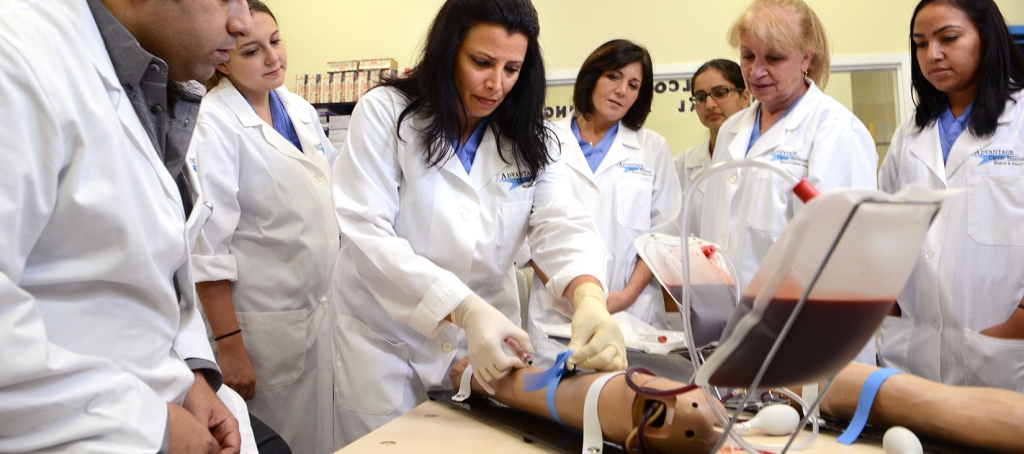
Inside the Role of a Hospital Phlebotomist: Skills, Responsibilities, and Career Path
Hospital phlebotomists are vital healthcare professionals, playing a crucial role in patient care. They specialize in drawing blood and handling related processes, ensuring that samples are collected effectively and safely. In this article, we will explore the skills, responsibilities, and potential career paths for hospital phlebotomists while offering practical tips and insights into this rewarding profession.
What Does a Hospital Phlebotomist Do?
Phlebotomists are responsible for collecting blood samples from patients for a variety of tests. These tests are crucial for diagnosing medical conditions, monitoring health, and guiding treatment plans. Below are some of the primary responsibilities of a hospital phlebotomist:
- Performing venipunctures and capillary punctures.
- Ensuring patient comfort and compliance during blood draws.
- Labeling and processing blood samples correctly.
- Maintaining a clean and safe environment for blood collection.
- Communicating with healthcare teams and patients clearly.
- Keeping accurate records of all samples and procedures.
Key Skills Required for Phlebotomists
Being an effective phlebotomist requires a unique blend of technical skills, interpersonal abilities, and a solid understanding of medical protocols. Here are some essential skills needed:
- Technical Skills: Proficiency in various blood collection techniques.
- Attention to Detail: Precision in labeling and processing samples to avoid errors.
- Communication Skills: Ability to explain procedures to patients and work collaboratively with medical staff.
- Empathy and Patience: Understanding patient anxiety and providing reassurance during blood draws.
- Problem-Solving Skills: Quickly addressing complications such as difficult venous access.
The Career Path of a Hospital Phlebotomist
Educational Requirements
Most phlebotomist positions require at least a high school diploma or GED. Specialized training programs are typically offered at community colleges or vocational schools, often completing in less than a year. Programs may include classroom instruction and hands-on clinical experience.
Certifications
While not always required, obtaining certification can enhance job prospects. Several organizations offer certification exams, such as:
| Certification | Organization |
|---|---|
| Certified Phlebotomy Technician (CPT) | National Healthcareer Association (NHA) |
| Phlebotomy Technician Certification (PBT) | American Society for Clinical Pathology (ASCP) |
| Registered Phlebotomy Technician (RPT) | American Medical Technologists (AMT) |
Advancement Opportunities
With experience, phlebotomists can progress to higher roles, such as:
- Lead Phlebotomist: Supervising a team of phlebotomists.
- Trainer/Educator: Teaching phlebotomy techniques and practices.
- Lab Manager: Overseeing laboratory operations and staff.
- Specialization: Focusing on specific areas like pediatrics or geriatric phlebotomy.
Benefits of Being a Hospital Phlebotomist
Choosing a career as a phlebotomist offers numerous benefits, such as:
- Job Stability: With the growing demand for healthcare workers, phlebotomists have strong job prospects.
- Flexible Work Hours: Many hospitals offer various shifts, including evenings and weekends.
- Meaningful Work: Contributing to patient care and helping in diagnosis and treatment.
Practical Tips for Aspiring Phlebotomists
If you’re considering a career in phlebotomy, here are some practical tips to help you succeed:
- Enroll in a reputable phlebotomy training program and gain hands-on experience.
- Practice your communication skills to connect effectively with patients.
- Stay current with industry changes and advancements by pursuing continuing education opportunities.
- Network with fellow professionals through local chapters of phlebotomy organizations.
First-Hand Experience: A Day in the Life of a Phlebotomist
To offer insight into the daily tasks of a phlebotomist, consider a typical day:
“Every day starts with checking the schedule. My first task usually involves setting up my station with the necessary supplies. I then proceed to the patient floors, engaging with patients, answering their questions, and performing blood draws. The mix of critical thinking and interpersonal skills makes my job both challenging and rewarding.”
Conclusion
Hospital phlebotomists play a fundamental role in patient care and the healthcare system at large. With specific skills, thorough training, and a genuine passion for helping others, you can embark on a fulfilling career as a phlebotomist. Whether you’re just starting your career or looking for advancement opportunities, understanding the responsibilities and growth potential can help pave your way to success in this vital profession.