How to Become a Phlebotomist technician: Your Essential Guide to Training, Skills, and Career Opportunities
Embarking on a career as a phlebotomist technician is a fantastic choice for those passionate about healthcare and patient care. As a vital member of medical teams, phlebotomists are responsible for collecting blood samples used in diagnostics, research, and treatment. If you’re wondering how to become a phlebotomist technician, this comprehensive guide covers everything from training requirements and essential skills to career pathways and practical tips that can help you succeed. Let’s explore the exciting world of phlebotomy and how you can make it your profession!
What Is a Phlebotomist Technician?
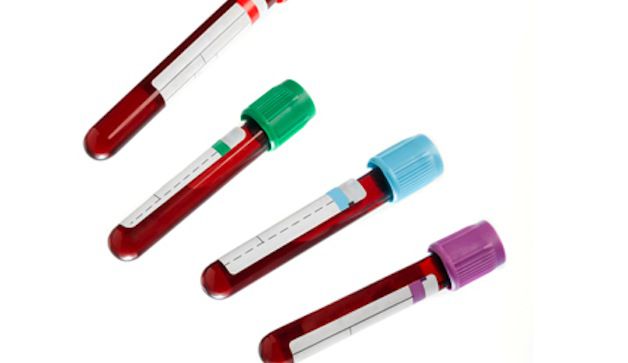
A phlebotomist technician is a healthcare professional trained to draw blood from patients for tests, transfusions, donations, or research. They are an integral part of medical laboratories, hospitals, clinics, and donation centers. Their job involves not only the technical aspect of blood collection but also providing comfort and reassurance to patients during the procedure.
Skills like attention to detail, strong interaction, and patient empathy are crucial in this role. As demand for healthcare services grows, so does the need for qualified phlebotomy technicians, making it a promising career path.
Training and Education Requirements
Educational Foundations
- High school diploma or equivalent (GED) is typically required.
- Post-secondary training or certification programs are highly recommended.
Phlebotomy Certification Programs
Most employers prefer candidates with formal certification.These programs generally include:
- Classroom instruction on anatomy, blood collection techniques, and safety protocols.
- Hands-on practice in blood draw procedures.
- Instruction on medical terminology, infection control, and patient interaction.
certified programs usually last from a few weeks to several months, depending on the depth of training. Popular certification bodies include the National Phlebotomy Certification Agency (NPCA), American Society for Clinical Pathology (ASCP), and National Healthcareer Association (NHA).
Online vs. In-Person Training
Online courses offer versatility, but hands-on clinical training is essential for practical skills. Many programs combine online theoretical modules with in-person laboratory sessions.
Essential Skills for Aspiring Phlebotomists
- Attention to detail: Accurate labeling and handling of blood samples.
- Steady hands: Precise needle insertion is critical.
- Interpersonal skills: Comforting patients through procedures.
- Knowledge of safety protocols: Infection control and proper disposal.
- Physical stamina: Ability to stand for extended periods.
- Problem-solving: Handling arduous draws or patient anxieties.
Career Opportunities and Growth
Starting as a phlebotomist technician can open doors to various healthcare roles, including laboratory assistant, medical technician, or clinical researcher. Additionally, experienced phlebotomists can advance into supervisory or specialized roles, such as arterial blood gas (ABG) collection or mobile phlebotomy services.
Typical Career Progression Table
| Experience Level | Possible Roles | Average Salary (USD) |
|---|---|---|
| Entry-Level | Phlebotomist Technician | $35,000 – $40,000 |
| Mid-Level | Senior Phlebotomist or Lead Technician | $45,000 – $55,000 |
| Advanced | phlebotomy Supervisor or Trainer | $60,000+ |
Note: Salaries may vary based on region and employer.
Benefits of Becoming a Phlebotomist Technician
- high demand with strong job security.
- Relatively short training period with certification opportunities.
- Flexible work environments and schedules.
- Prospect to make a positive impact on patients’ health and well-being.
- Competitive compensation and potential for career advancement.
Practical Tips for Aspiring Phlebotomists
- research local certification programs and choose accredited courses.
- Gain supervised hands-on experience through internships or externships.
- Develop excellent communication skills to reassure patients.
- Stay updated with the latest safety protocols and medical standards.
- Network with professionals in the healthcare industry.
Real-Life Success Stories
Case Study 1: From Novice to Expert
Jane started her training with no medical background. After completing her certification and gaining experience in a hospital setting, she became lead phlebotomist, increased her salary, and now mentors new technicians.
Case Study 2: Transitioning Careers
Mike, a former administrative assistant, decided to become a phlebotomist to pursue healthcare. With dedicated training, he successfully transitioned into the role and found it more fulfilling, with opportunities for growth.
First-Hand Experience: What to Expect
many aspiring phlebotomists wonder what a typical day looks like. Expect to:
- prepare supplies and double-check patient records.
- Communicate clearly and compassionately with patients.
- Perform blood draws efficiently, safely, and accurately.
- Document procedures and handle specimens carefully.
- Maintain cleanliness and safety standards in the workplace.
Gaining practical experience during training is vital as it builds confidence and hones your skills for real-world scenarios.
Conclusion
Becoming a phlebotomist technician is a rewarding career choice for those interested in healthcare, patient interaction, and laboratory work. By pursuing specialized training, obtaining certification, and honing essential skills, you can open the door to a stable and fulfilling profession with numerous growth opportunities. Whether you are just starting or considering a career change, the path to becoming a certified phlebotomist is accessible and well worth the effort. take the first step today towards a meaningful career in healthcare—your future as a phlebotomy technician awaits!