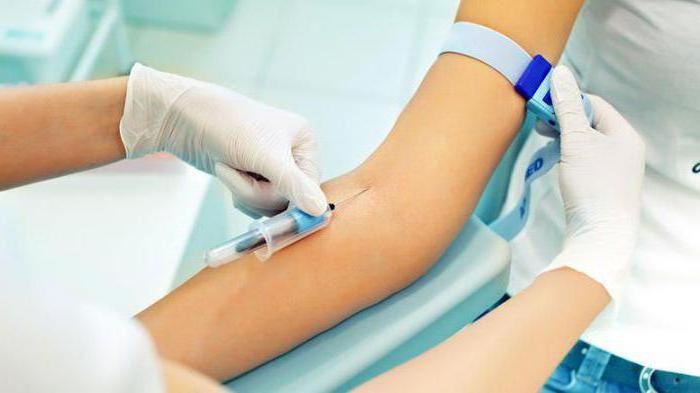
Are you considering a career in phlebotomy? Getting a phlebotomy certification is a crucial step towards becoming a successful phlebotomist. In this comprehensive guide, we will discuss everything you need to know about getting phlebotomy certification, including the benefits, practical tips, and more.
## What is Phlebotomy Certification?
Phlebotomy certification is a credential that demonstrates an individual’s competence and proficiency in drawing blood. It validates your skills and knowledge in venipuncture techniques, safety procedures, specimen handling, and more. Most employers require phlebotomists to be certified as it ensures the quality of care provided to patients.
## How to Get Phlebotomy Certification
To obtain phlebotomy certification, you must complete a phlebotomy training program accredited by organizations like the National Accrediting Agency for Clinical Laboratory Sciences (NAACLS) or the Accrediting Bureau of Health Education Schools (ABHES). These programs typically cover topics such as anatomy and physiology, medical terminology, venipuncture techniques, and infection control.
After completing the training program, you will need to pass a certification exam administered by organizations such as the American Society for Clinical Pathology (ASCP), the National Healthcareer Association (NHA), or the American Medical Technologists (AMT). Once you pass the exam, you will officially become a certified phlebotomist.
## Benefits of Phlebotomy Certification
– **Job Opportunities:** Phlebotomy certification enhances your employability and opens up a wide range of job opportunities in hospitals, clinics, laboratories, and blood donation centers.
– **Professional Credibility:** Certification demonstrates your commitment to your profession and enhances your credibility among employers, colleagues, and patients.
– **Higher Earning Potential:** Certified phlebotomists often earn higher salaries than their non-certified counterparts.
– **Career Advancement:** Certification can pave the way for career advancement opportunities, such as becoming a phlebotomy instructor or pursuing specialized certifications in areas like pediatric phlebotomy or donor phlebotomy.
## Practical Tips for Getting Phlebotomy Certification
- **Research Accredited Programs:** Make sure to choose a phlebotomy training program that is accredited by recognized accrediting bodies to ensure the quality of education.
– **Study Smart:** Prepare for the certification exam by reviewing relevant study materials, taking practice tests, and seeking guidance from experienced phlebotomists.
– **Gain Hands-on Experience:** Practice your venipuncture skills under the supervision of a qualified phlebotomist to build confidence and proficiency.
– **Stay Updated:** Stay current with the latest developments in phlebotomy practice and regulations by attending conferences, workshops, and continuing education courses.
## Case Study: Emily’s Journey to Phlebotomy Certification
Emily always had a passion for healthcare and decided to pursue a career in phlebotomy. She enrolled in an accredited phlebotomy training program and dedicated herself to mastering the venipuncture techniques. After completing her training, Emily successfully passed the certification exam and became a certified phlebotomist. She now enjoys a fulfilling career in a busy hospital, drawing blood from patients and making a positive impact on their healthcare journey.
## In Conclusion
Obtaining phlebotomy certification is an essential step towards establishing a successful career in phlebotomy. It not only validates your skills and knowledge but also opens up numerous job opportunities and career advancements. By enrolling in an accredited training program, studying diligently, gaining hands-on experience, and staying updated with the latest industry trends, you can embark on a rewarding journey towards becoming a certified phlebotomist. So, what are you waiting for? Take the first step towards your phlebotomy certification today and unlock a world of possibilities in the healthcare field.