Understanding EKG and Phlebotomy: Essential Skills for Modern Healthcare Professionals
In the ever-evolving field of healthcare, proficiency in essential skills like EKG interpretation and phlebotomy is integral for medical professionals. These skills not only enhance patient care but also contribute to the effectiveness of healthcare teams. This article provides an in-depth exploration of EKG and phlebotomy, their significance, and practical tips for mastering these competencies.
What is an EKG?
An Electrocardiogram (EKG or ECG) is a medical test that records the electrical activity of the heart over a period of time. It aids in diagnosing various heart conditions and is a key tool in cardiology.
Importance of EKG in Healthcare
- Diagnoses heart diseases and conditions.
- Monitors heart rhythm and rate.
- Detects electrolyte imbalances.
- Guides treatment plans for patients with cardiovascular issues.
Understanding Phlebotomy
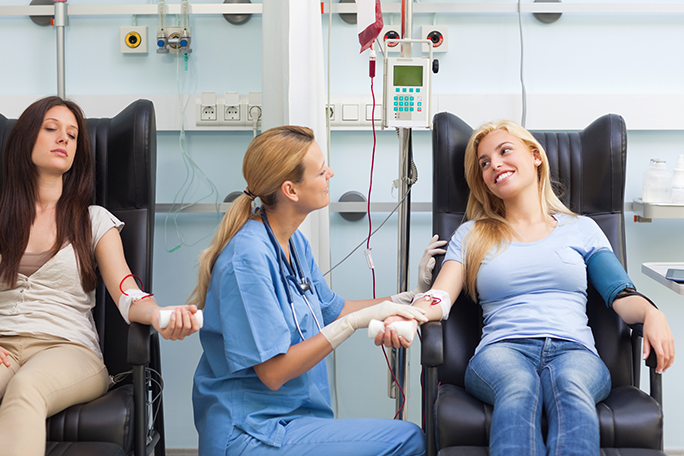
Phlebotomy is the procedure of drawing blood from a patient for diagnostic tests, blood donations, or therapeutic purposes. A skilled phlebotomist is essential in ensuring patient comfort and sample integrity.
Role of Phlebotomy in Modern Healthcare
- Facilitates accurate diagnosis through blood tests.
- Monitors patient health conditions.
- Supports a variety of treatments and research.
Benefits of Mastering EKG and Phlebotomy
Both EKG and phlebotomy are vital skills for healthcare professionals, offering numerous benefits:
- Enhanced Patient Care: By accurately interpreting EKG readings and efficiently performing phlebotomy, healthcare professionals can provide better patient outcomes.
- Increased Employability: Healthcare employers favor candidates with strong skills in EKG and phlebotomy.
- Multidisciplinary Collaboration: Understanding these skills fosters better teamwork among healthcare providers.
Essential Skills for EKG and Phlebotomy
Key EKG Skills
- Reading and Interpreting EKG Tracings: Understanding various waves (P, QRS, T) and intervals (PR, QT).
- Identifying Abnormalities: Recognizing arrhythmias, heart block, and ischemic changes.
- Technical Proficiency: Operating EKG machines and understanding their settings.
Key Phlebotomy Skills
- Venipuncture Techniques: Mastering the art of drawing blood from veins with minimal patient discomfort.
- Sample Handling: Knowing how to properly label, store, and transport blood samples.
- Patient Communication: Putting patients at ease and explaining procedures effectively.
Case Studies: Real-World Applications
Case Study 1: EKG and Emergency Response
In a hospital’s emergency department, a nurse detected an irregular EKG rhythm in a patient complaining of chest pain. Recognizing the abnormality as a potential myocardial infarction, the healthcare team swiftly administered appropriate treatment, leading to successful stabilization of the patient.
Case Study 2: Phlebotomy in Outpatient Care
An outpatient clinic noticed an increase in patient anxiety during blood draws. By providing comprehensive education about the phlebotomy process and utilizing distraction techniques, the clinic significantly reduced patient discomfort and improved overall satisfaction.
Practical Tips for EKG and Phlebotomy Mastery
Tips for EKG
- Regularly practice reading EKG strips to increase familiarity.
- Stay updated on new guidelines and research in cardiology.
- Engage in simulation training to enhance technical skills.
Tips for Phlebotomy
- Focus on proper hand hygiene and use of personal protective equipment.
- Develop a gentle approach to ease patient anxiety.
- Keep up with continuing education and certifications.
First-Hand Experience: A Day in the Life of a Healthcare Professional
As a nurse working in a cardiology unit, my day often begins with reviewing EKG reports for new admissions. Accurate interpretation of these EKGs often dictates the urgency of care required. Later in the day, I conduct routine blood draws, ensuring patients feel comfortable and informed about the process. The intersection of EKG and phlebotomy practices allows me to provide comprehensive care, contributing to better patient outcomes.
Conclusion
EKG and phlebotomy are essential skills that contribute significantly to modern healthcare. From diagnosing heart conditions to facilitating accurate blood testing, these competencies enhance patient care and professional careers alike. By mastering these skills, healthcare professionals are better equipped to navigate the challenges of today’s medical landscape.
| Skill | Benefit | Impact |
|---|---|---|
| EKG Interpretation | Timely diagnosis of heart conditions | Improved patient outcomes |
| Phlebotomy | Accurate blood sampling | Effective treatment and monitoring |