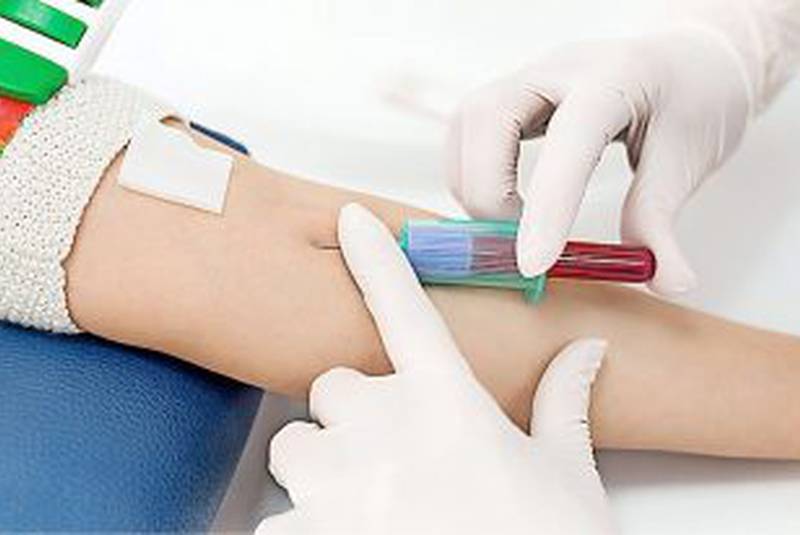
Master the Art of Blood Collection: Your Ultimate Phlebotomy Handbook Guide
Embarking on a journey to master blood collection can be both rewarding and challenging. Whether you’re a budding healthcare professional,a student in medical assisting,or someone looking to refine their phlebotomy skills,understanding the essentials of blood draw procedures is crucial. This extensive guide aims to equip you with the knowledge, techniques, and practical tips needed to excel at blood collection while prioritizing patient safety and comfort. Let’s dive into the world of phlebotomy and unlock your potential!
What Is Phlebotomy? An Overview
Phlebotomy is the process of drawing blood from a vein, usually for laboratory testing, donation, or medical diagnosis. Though it might seem straightforward, effective blood collection requires skill, precision, and adherence to safety protocols. Mastering phlebotomy not only ensures accurate test results but also enhances patient experiance and reduces the risk of complications.
The Importance of Proper Blood Collection Techniques
Adopting correct blood collection procedures benefits everyone involved:
- Ensures accurate laboratory results
- Reduces patient discomfort and anxiety
- Prevents contamination and cross-infection
- Minimizes risk of complications like hematomas or infections
Essential Equipment for Blood Collection
list of Basic Phlebotomy Supplies
| Equipment | Description |
|---|---|
| Vacutainer Needles | Needles used with collection tubes for venipuncture |
| Tourniquet | Elastic band applied around the arm to enlarge veins |
| Alcohol Swabs | Sterile wipes to disinfect the puncture site |
| Needle Holder | Device to secure the needle during blood draw |
| Vacutainer Tubes | Pre-labeled tubes for blood collection and testing |
| Gloves | Personal protective equipment for safety |
Step-by-Step Guide to Successful Blood Collection
1.Preparing for the Procedure
- Identify the patient and verify their identity
- Gather all necessary equipment
- explain the procedure to the patient to ensure cooperation
- Wash hands thoroughly and wear gloves
2.Selecting the Venipuncture Site
The most common site is the median cubital vein, located in the crease of the elbow.Consider the following:
- Check for visible,stabile veins
- Avoid fragile or scarred veins
- Ensure the site is free from injury or infection
3. Applying the Tourniquet
- Wrap the tourniquet 3-4 inches above the chosen vein
- Ensure it is indeed snug but not too tight to cause discomfort
- Maintain the tourniquet for no more than a minute
4. Performing the Venipuncture
Follow thes steps for a safe and effective draw:
- Mark the site and sterilize with an alcohol swab in a circular motion
- Hold the skin taut with your non-dominant hand
- Insert the needle at a 15-30 degree angle with a smooth motion
- Attach the collection tube to the needle holder
- Allow blood to fill the tube and then gently remove the needle
5. Post-Procedure Care
- Apply pressure to the site with gauze to prevent bleeding
- Secure with a bandage
- Properly label the collection tubes promptly
- Observe the patient for any adverse reactions
Practical Tips for Successful Blood Collection
- Stay calm and confident: Your demeanor can influence patient comfort
- Use the appropriate needle size: 21 to 23 gauge for most adults
- Maintain aseptic technique: Prevent contamination
- Respect patient privacy and comfort: talk to them during the process
- Practice regularly: Skills improve with experience
Benefits of Mastering Phlebotomy Skills
- Enhanced patient trust and comfort
- Accurate and reliable test results
- increased confidence as a healthcare professional
- Opportunity for career advancement
Case Study: Successful Blood collection in a Pediatric Patient
| Scenario | Challenge | Solution & Outcome |
|---|---|---|
| Drawing blood in a 5-year-old | Child was anxious and uncooperative | Used distraction techniques and a smaller needle, resulting in successful collection with minimal distress |
First-Hand Experience: Lessons Learned from a novice Phlebotomist
as a beginner, I learned that patience and careful technique are vital. Initially, I faced challenges with difficult veins and patient anxiety. Through practice, I developed better site selection skills and interaction, making the process smoother for both me and my patients.
Conclusion
Mastering blood collection is a critical skill that combines technical knowledge, proper equipment use, and compassionate patient care. By understanding the proper procedures, practicing regularly, and prioritizing safety and comfort, you can become a proficient phlebotomist who delivers accurate results and positive patient experiences. Remember, every successful blood draw adds to your confidence and expertise. Keep learning, stay diligent, and you’ll excel in the art of blood collection!