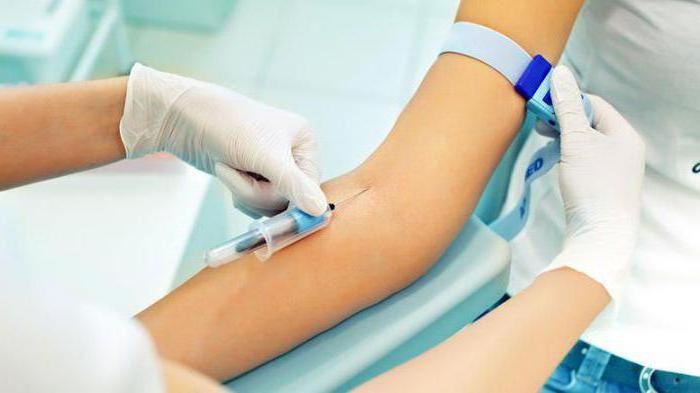
Unlock Your Career: A Step-by-Step Guide to Becoming Phlebotomy Certified
Are you looking to break into the healthcare field but unsure where to start? Phlebotomy could be the perfect career path for you! Phlebotomy is a vital role within the healthcare industry, focusing on drawing blood from patients for tests, transfusions, research, or blood donations. This guide will walk you through everything you need to know to become phlebotomy certified and unlock a rewarding career.
What is Phlebotomy?
Phlebotomy is the practice of drawing blood from the veins of patients for diagnostic or therapeutic purposes. Phlebotomists play an essential part in patient care and the medical laboratory environment. The demand for qualified phlebotomists is consistently high due to the ever-growing healthcare needs.
Steps to Becoming Phlebotomy Certified
Step 1: Research Phlebotomy Programs
To get started, it’s essential to research accredited phlebotomy programs in your area. Look for programs offered by community colleges, vocational schools, and medical training facilities. Factors to consider include:
- Accreditation status
- Program length
- Costs and financial aid options
- Job placement assistance
Step 2: Complete an Accredited Phlebotomy Training Program
Once you’ve found a suitable program, enroll and complete the necessary training. Most programs offer:
- Classroom instruction on anatomy and physiology, infection control, and the various blood draw techniques
- Hands-on experience through clinical rotations where you can practice blood draws under supervision
Step 3: Obtain Practical Experience
During your training, you’ll need to gain practical experience to develop your skills. Most programs require students to perform a minimum number of blood draws to graduate. Seek internships or volunteer opportunities at hospitals, clinics, or laboratories to enhance your experience.
Step 4: Get Certified
After completing your training program, it’s time to obtain certification. There are several certifying organizations, including:
- American Society for Clinical Pathology (ASCP)
- National Phlebotomy Association (NPA)
- American Medical Technologists (AMT)
To become certified, you’ll typically need to:
- Pass a certification exam
- Provide proof of completed training
- Meet any specific prerequisites set by the certifying organization
Step 5: Maintain Your Certification
After certification, it’s crucial to keep your knowledge and skills up to date. Most organizations require continuing education credits or periodic renewal to maintain your certification.
Benefits of Becoming Phlebotomy Certified
Choosing a career in phlebotomy comes with several benefits, including:
- High Demand: Skilled phlebotomists are always in demand, ensuring job security.
- Quick Entry into the Workforce: Training programs are typically short, allowing for relatively fast entry into the job market.
- Variety of Work Environments: Phlebotomists can work in hospitals, clinics, laboratories, or even mobile blood donation units.
- Opportunity for Advancement: With experience and additional training, you can advance to roles such as lab technician or healthcare manager.
Practical Tips for Success
As you embark on your phlebotomy journey, consider these practical tips:
- Network: Make connections in the healthcare field through internships or volunteer opportunities.
- Practice: The more blood draws you perform during training, the more confident you will become.
- Stay Informed: Keep up with the latest techniques and technologies in phlebotomy through workshops and seminars.
First-Hand Experience: A Phlebotomist’s Journey
Here’s a case study of Sarah, a recent graduate who became phlebotomy certified:
Background: Sarah always had a passion for helping others and knew she wanted to work in healthcare. After researching various career options, she decided on phlebotomy.
Steps Taken:
- Enrolled in a community college program.
- Completed 40 hours of classroom learning and 100 supervised blood draws.
- Passed the ASCP certification exam on her first try.
- Landed a job at a local hospital within a month of certification.
Today, Sarah enjoys her work and finds fulfillment in providing a critical service to patients.
Conclusion
Becoming phlebotomy certified opens up numerous career opportunities within the healthcare field. By following this step-by-step guide, you can ensure a smooth journey to certification. Remember to stay dedicated to your education, seek practical experience, and maintain your certification to succeed in this rewarding career. Your future as a certified phlebotomist is just around the corner—unlock your career today!