Unlocking the Key Requirements for Phlebotomist Success: A Comprehensive Guide
Introduction:
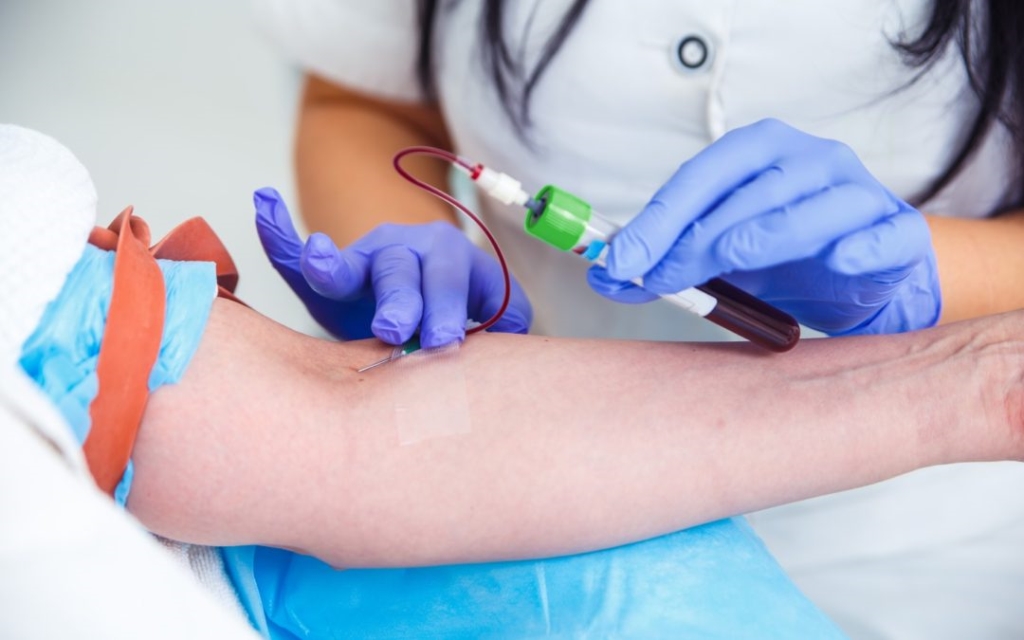
Phlebotomy is a crucial component of the healthcare system, as it involves drawing blood from patients for various diagnostic tests, transfusions, donations, and research purposes. As a phlebotomist, you play a vital role in ensuring the accuracy of test results and the overall well-being of patients. To succeed in this field, there are certain key requirements that you must possess and develop over time. In this comprehensive guide, we will delve into the essential skills, qualifications, and practical tips necessary for phlebotomist success.
Key Requirements for Phlebotomist Success:
1. Education and Training:
– Obtain a high school diploma or equivalent.
– Enroll in a phlebotomy training program accredited by the National Accrediting Agency for Clinical Laboratory Sciences (NAACLS) or the Commission on Accreditation of Allied Health Education Programs (CAAHEP).
– Complete a minimum of 40 hours of classroom training and 100-120 hours of practical training.
– Obtain certification through organizations such as the American Society for Clinical Pathology (ASCP), the National Healthcareer Association (NHA), or the American Medical Technologists (AMT).
2. Technical Skills:
– Proficiency in venipuncture techniques for drawing blood from veins.
– Knowledge of different collection methods, including finger sticks and heel sticks.
- Familiarity with various blood collection tubes and additives for different types of tests.
– Ability to properly label and transport blood samples to the laboratory for analysis.
– Understanding of infection control protocols and safety precautions to prevent the spread of diseases.
3. Communication Skills:
– Ability to interact with patients in a courteous and professional manner.
– Listening skills to address patients’ concerns and alleviate their fears.
– Clear and effective communication with healthcare providers to ensure accurate specimen collection and test results.
– Empathy and compassion to provide emotional support to patients during the blood drawing process.
4. Attention to Detail:
– Thoroughness in verifying patient identification and test requisitions.
– Precision in selecting the appropriate equipment and performing blood draws accurately.
- Careful monitoring of patients for signs of discomfort or adverse reactions.
– Accuracy in labeling and documenting specimens to avoid errors in the testing process.
5. Organizational Skills:
- Efficient time management to handle multiple blood draws and maintain a steady workflow.
– Prioritization of tasks based on the urgency of tests and patient needs.
– Proper handling and disposal of hazardous materials in compliance with regulatory guidelines.
– Maintenance of clean and organized workspaces to ensure a safe and hygienic environment.
Benefits and Practical Tips for Phlebotomist Success:
– Job stability and growth opportunities in the healthcare industry.
– Competitive salaries and benefits for certified phlebotomists.
– Continuous learning and professional development through continuing education programs.
– Networking with other healthcare professionals to expand career opportunities.
– Keeping up with the latest advancements in phlebotomy technology and best practices.
Case Study: Jessica’s Journey to Phlebotomist Success
Jessica always had a passion for helping others and decided to pursue a career in healthcare. After completing a phlebotomy training program and obtaining certification, she started working at a local hospital. Through dedication and hard work, Jessica honed her technical skills, communication abilities, and attention to detail. She became known for her gentle touch and caring nature, earning the trust and gratitude of her patients and colleagues. Jessica’s success as a phlebotomist is a testament to the key requirements outlined in this comprehensive guide.
Conclusion:
Unlocking the key requirements for phlebotomist success requires a combination of education, training, technical skills, communication abilities, attention to detail, and organizational capabilities. By mastering these essential components, phlebotomists can excel in their roles, provide quality care to patients, and contribute to the efficiency of healthcare facilities. Continuous learning, professional development, and a passion for helping others are crucial for long-term success in the field of phlebotomy. Aspiring phlebotomists can thrive in this rewarding career by embracing these key requirements and striving for excellence in their practice.