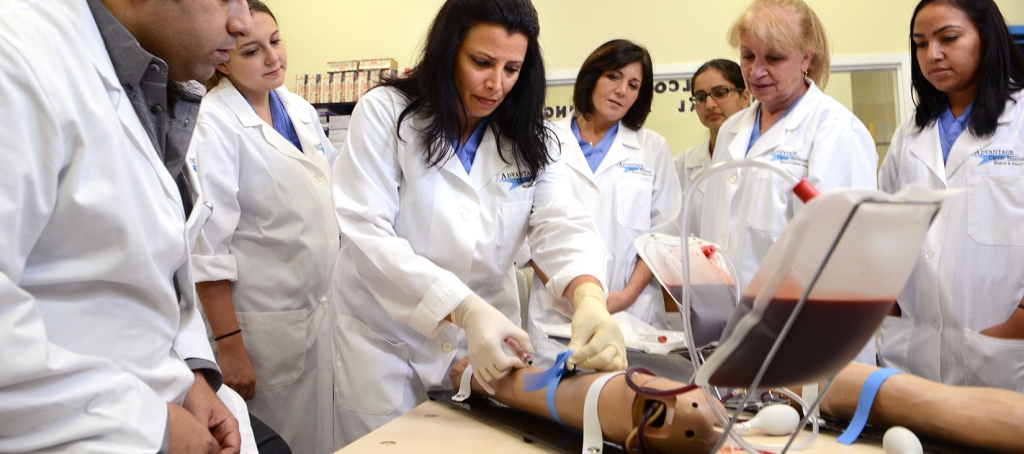
Unlocking the Career Potential of Blood Draw Jobs: Everything You Need to Know
Are you considering a career in the healthcare field but unsure of where to start? Blood draw jobs can be a great entry point into this rewarding industry. Not only do these positions offer job security and competitive salaries, but they also provide opportunities for professional growth and advancement. In this comprehensive guide, we will explore everything you need to know about unlocking the career potential of blood draw jobs.
The Role of a Phlebotomist
A phlebotomist is a healthcare professional trained to draw blood from patients for various purposes, such as medical testing, transfusions, or donations. Phlebotomists play a crucial role in the healthcare system, as their skills are essential for accurate diagnosis and treatment of illnesses. Some of the key responsibilities of a phlebotomist include:
- Collecting blood samples from patients
- Labeling and storing blood samples properly
- Ensuring the safety and comfort of patients during the blood draw process
- Following strict protocols and procedures to maintain quality control
- Communicating effectively with healthcare professionals and patients
Education and Certification Requirements
While some entry-level blood draw jobs may require only a high school diploma or GED, most employers prefer candidates who have completed a phlebotomy training program. These programs are typically offered by vocational schools, community colleges, and healthcare institutions. In addition to formal training, phlebotomists must also obtain certification from a recognized accrediting organization, such as the American Society for Clinical Pathology (ASCP) or the National Healthcareer Association (NHA).
Career Opportunities and Advancement
Phlebotomy is a versatile field with a wide range of career opportunities. In addition to working in hospitals, clinics, and laboratories, phlebotomists can also find employment in blood banks, research facilities, nursing homes, and private practices. With additional training and experience, phlebotomists can advance into supervisory roles or specialize in areas such as pediatric phlebotomy, geriatric phlebotomy, or forensic phlebotomy.
| Median Salary | $35,510 per year |
| Job Growth | 17% from 2019 to 2029 |
| Top States for Employment | California, Texas, Florida, New York, Pennsylvania |
Benefits of a Career in Phlebotomy
There are many benefits to pursuing a career in phlebotomy, including:
- Job stability and security in a growing field
- Competitive salaries and benefits
- Opportunities for professional growth and advancement
- Fulfilling work that helps others and makes a difference
- Flexible work schedules and part-time options
Practical Tips for Success
If you are considering a career in phlebotomy, here are some practical tips to help you succeed:
- Develop strong communication and interpersonal skills
- Practice good phlebotomy techniques and procedures
- Stay up-to-date on the latest advancements in the field
- Seek out opportunities for continuing education and training
- Network with other healthcare professionals and industry experts
Conclusion
Unlocking the career potential of blood draw jobs can open up a world of opportunities in the healthcare industry. With the right education, training, and certification, you can embark on a fulfilling career as a phlebotomist and make a positive impact on the lives of others. Whether you are just starting out or looking to advance in your career, phlebotomy offers a rewarding path with room for growth and advancement. Take the first step today and explore the possibilities that await you in this dynamic and essential field.