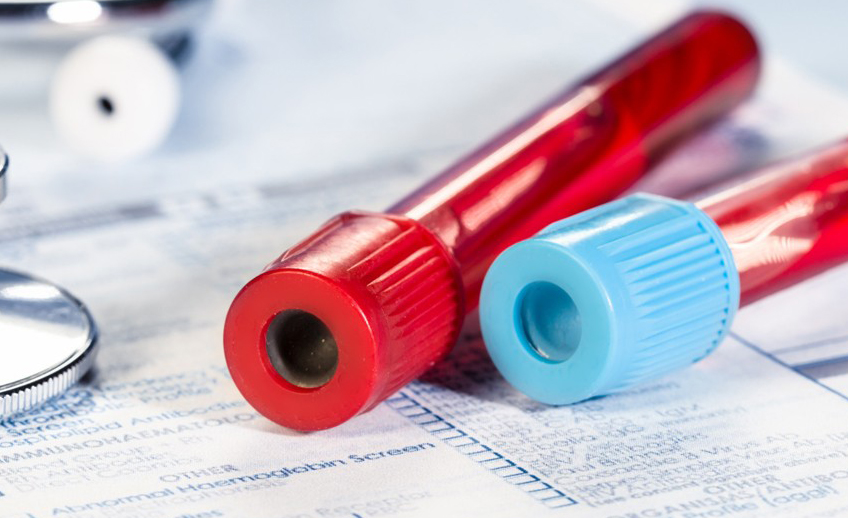
Essential Requirements for Becoming a Phlebotomist: Your Complete Guide to Certification and Skills
Embarking on a career as a phlebotomist can be both rewarding and fulfilling,especially if you’re interested in healthcare and helping others. Phlebotomists play a vital role in medical laboratory testing by collecting blood samples efficiently and safely. If you’re wondering what it takes to become a professional in this field, you’ve come to the right place. This extensive guide covers the essential requirements, the certification process, key skills, practical tips, and much more to help you kickstart your journey towards becoming a certified phlebotomist.
Understanding the Role of a Phlebotomist
Before diving into the requirements, it’s critically important to understand what a phlebotomist does. Essentially, phlebotomists are healthcare professionals trained to draw blood samples from patients for laboratory testing, transfusions, or research.Their work is critical in diagnosing diseases, managing patient care, and conducting medical research.
Why Certification Matters in Phlebotomy
While some states or employers may not require certification, obtaining a recognized phlebotomy certification substantially enhances your credibility, job prospects, and earning potential. It demonstrates your competency and commitment to the profession, reassuring employers and patients alike.
Essential Skills for Aspiring Phlebotomists
- Excellent patient dialog: Ability to reassure and explain procedures to patients.
- Attention to detail: Ensuring proper labeling and handling of blood samples.
- Manual dexterity: Skilled hand-eye coordination for inserting needles safely.
- knowledge of safety protocols: Adherence to OSHA guidelines and infection control standards.
- Physical stamina: Ability to stand for long periods and handle physically demanding tasks.
- Strong organizational skills: Managing schedules and maintaining accurate records.
Educational and Training Requirements
Getting started as a phlebotomist typically requires a combination of education and specialized training:
High School Diploma or Equivalent
Most employers and certification programs require at least a high school diploma or GED as a minimum educational prerequisite.
Phlebotomy Training Program
You should enroll in an accredited phlebotomy training program which covers theoretical knowledge, practical skills, and clinical experience. These programs are offered at community colleges, technical schools, and healthcare training centers.
Program Duration and Content
The duration may vary from a few weeks to several months, depending on the program. Core topics include:
- Blood collection techniques and safety
- Specimen handling and processing
- Patient interaction skills
- basic anatomy and physiology
- Infection control and safety protocols
Certification Options for Phlebotomists
Popular certification Agencies
| Certifying Agency | Requirements | Validity |
|---|---|---|
| American Society for Clinical Pathology (ASCP) | Completion of a recognized program + clinical experience | 3 years |
| National Phlebotomy Association (NPA) | Training + exam | 3 years |
| American Medical Technologists (AMT) | Accredited training + exam | 3 years |
Steps to Certification
- Complete an accredited phlebotomy training program.
- Gain practical clinical experience, often a requirement for certification.
- Prepare for and pass the certification exam offered by a recognized agency.
- Maintain your certification through continuing education and renewal every 2-3 years.
Additional Requirements and Considerations
- Background check: Some states and employers require fingerprinting and criminal background checks.
- CPR Certification: Basic life support training is frequently enough preferred or required.
- State-specific requirements: Always verify local regulations as some states may have unique licensing or certification mandates.
Practical Tips for aspiring Phlebotomists
- Gain hands-on experience: Volunteer or seek internships to build your practical skills.
- Stay updated on best practices: Regularly attend workshops and continuing education courses.
- Develop soft skills: Focus on communication, patience, and empathy to excel in patient interactions.
- Prepare thoroughly for certification exams: Utilize practice tests and study guides available online.
- Network with professionals: Join local or national associations to learn from experienced colleagues.
Case study: Success in the Field
Meet Sarah, a certified phlebotomist who started her career after completing an 8-week training program. With dedication, she earned her certification through the NPA, gained experience in a busy hospital setting, and now trains new students. Her story exemplifies how the right combination of training, certification, and practical experience can led to a triumphant healthcare career in phlebotomy.
Conclusion
Becoming a professional phlebotomist is a great entry point into the healthcare industry, offering opportunities for growth and specialization. The essential requirements—ranging from a high school diploma, completion of accredited training programs, certification, and soft skills—are essential to excelling in this field. By understanding and fulfilling these prerequisites,aspiring phlebotomists can unlock a rewarding career dedicated to patient care and medical diagnostics. Remember, continuous learning and practical experience are key to maintaining competency and advancing in your profession. Start your journey today and make a difference in healthcare!