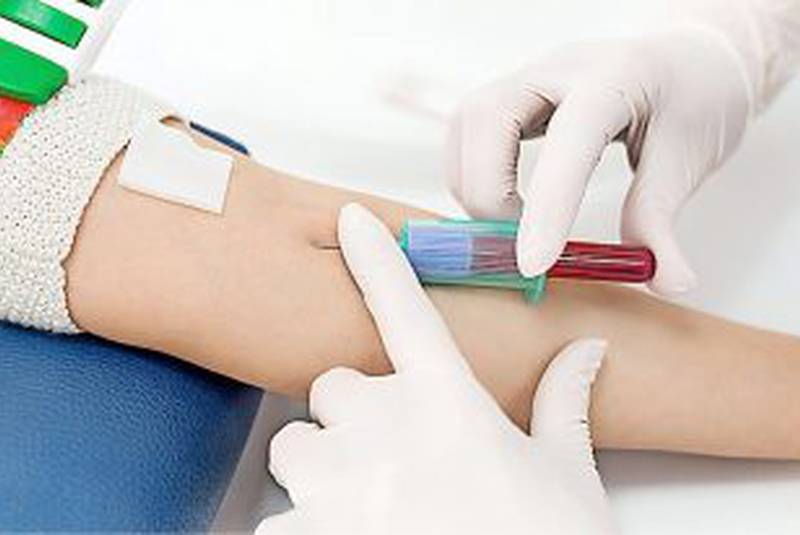
Master the Art of Blood Collection: Essential tips for a Successful Course in Phlebotomy
Embarking on a journey in phlebotomy opens doors to a rewarding healthcare career focused on vital patient care through blood collection. Whether you’re a new student or looking to refine your skills, mastering the art of blood collection is essential for both safety and success. This thorough guide provides expert tips, practical advice, and key insights to help you excel in your phlebotomy course and become a confident, competent blood collection technician.
Why Mastering Blood Collection is Crucial
- Patient safety: Accurate blood collection minimizes risks like hematoma, hemolysis, and contamination.
- Professional Confidence: Skilled phlebotomists ensure a smooth procedure,reducing patient discomfort and anxiety.
- Career Advancement: Expertise in blood collection can open doors to specialized roles in healthcare.
benefits of Becoming Proficient in Blood Collection
| Benefit | Description |
|---|---|
| Enhanced Patient Trust | Confident technique reduces patient anxiety and fosters trust. |
| Higher Success Rates | Precision in technique leads to fewer failed attempts and lab errors. |
| Increased Opportunities | Skill mastery can lead to roles in specialized departments or leadership positions. |
Practical Tips for a Successful Blood Collection Course
- Understand Anatomy: Know the veins, especially the median cubital, cephalic, and basilic veins.
- Use Quality Equipment: Always handle needles,tourniquets,and collection tubes with care.
- Practice Proper technique: Master the correct angle (15-30 degrees),needle insertion,and proper tube filling.
- Focus on Patient Comfort: Communicate clearly,use gentle techniques,and respect patient preferences.
- Maintain Safety Protocols: Follow CDC guidelines, wear gloves, and dispose of sharps safely.
Step-by-Step Guide to a Successful Blood Draw
Preparation
- Verify the patient’s identity and confirm the test orders.
- Gather all necessary equipment: needles, tubes, tourniquet, alcohol swabs, gauze, and tape.
- Inform the patient about the procedure to reduce anxiety.
Execution
- Apply the tourniquet firmly above the selected vein.
- Palpate to locate the vein best suited for venipuncture.
- Disinfect the puncture site with an alcohol swab and allow it to dry.
- Insert the needle at a 15-30 degree angle with a smooth, steady motion.
- Fill the collection tubes in order, respecting their fill lines.
- Release the tourniquet before withdrawing the needle.
- Apply pressure with gauze to prevent hematoma formation.
Post-Procedure
- Ensure hemostasis by applying pressure for at least 2 minutes.
- Label the tubes accurately immediately after collection.
- Dispose of sharps in appropriate containers.
- Thank the patient and provide aftercare instructions.
Overcoming Common Challenges in Blood Collection
Difficulty locating veins
- Use a tourniquet to engorge veins.
- ask the patient to make a fist or hydrate before the procedure.
patient anxiety or movement
- Explain the procedure clearly and calmly.
- Use distraction techniques or comfort measures.
Failed venipuncture attempts
- Assess the angle and depth and try a diffrent vein if necessary.
- Stay calm and composed to avoid frustrating the patient.
Real-Life Case Studies and Insights
Case Study: Successful blood Collection on Difficult Veins
Maria, a phlebotomy student, encountered a patient with very small, fragile veins. By palpating carefully and using a warm pack to engorge the veins, she successfully completed the draw on the first attempt, impressing her supervisors and boosting her confidence.
First-Hand Experience: The Power of Empathy
Many seasoned phlebotomists highlight that building rapport with patients substantially improves success rates. Simple gestures like explaining each step and showing empathy can turn a stressful procedure into a positive experience.
Additional Resources and Training Tips
- Certified Phlebotomy Technician (CPT) Certification
- Online Phlebotomy Courses
- Attend hands-on workshops to practice real-life blood collection techniques.
Conclusion
Mastering the art of blood collection is both a science and an art that requires dedication, practice, and compassion. By understanding the anatomy, honing your technique, and focusing on patient care, you can excel in your phlebotomy course and lay a strong foundation for a successful healthcare career. Keep practicing, stay patient-centered, and continuously seek knowledge to become a professional who makes a real difference in patient lives. Remember, every successful blood draw is a step toward becoming a trusted healthcare provider.
ready to advance your phlebotomy skills? enroll in certified courses, practice diligently, and embrace the rewarding challenge of blood collection. Your journey to becoming an expert in phlebotomy starts now!