What Is a Phlebotomist Technician? A Complete Guide to the Role, Skills, and Career Path
If you’re interested in healthcare careers, you might have come across the term phlebotomist technician. But what exactly does this role involve? how does one become a phlebotomist technician, and what are the career prospects? In this thorough guide, we’ll explore everything you need to know about what a phlebotomist technician is, their key responsibilities, essential skills, training requirements, and potential career path. Whether you’re considering entering this field or simply want to understand the profession better, this article will provide valuable insights.
What Is a Phlebotomist Technician?
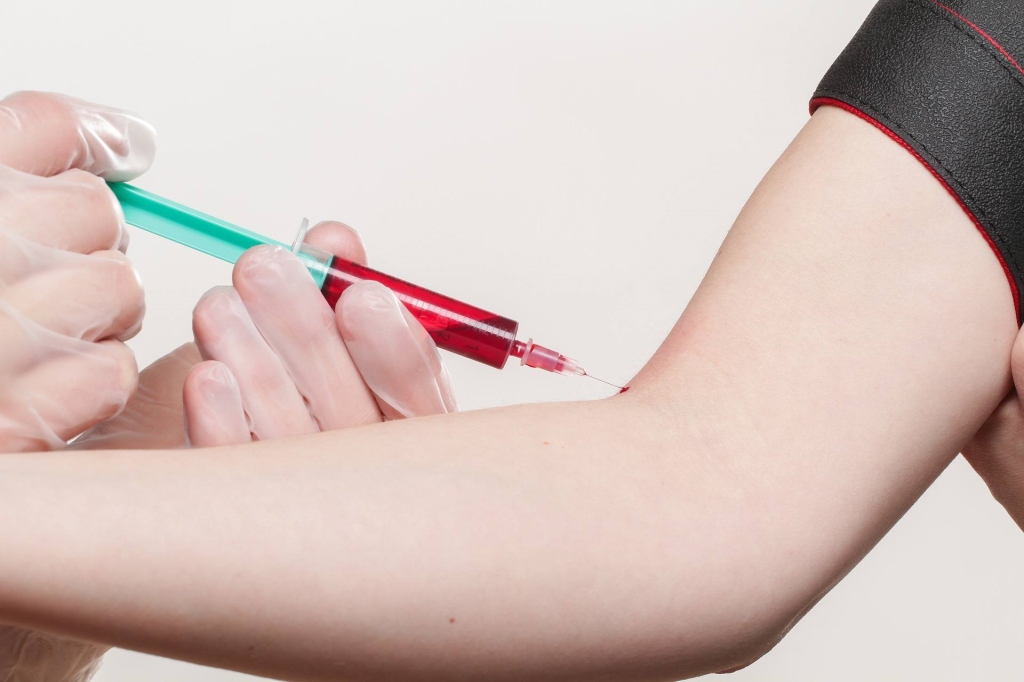
A phlebotomist technician is a healthcare professional trained to draw blood from patients for various purposes, including testing, transfusions, donations, or research. They play a crucial role in diagnostic healthcare by ensuring that blood samples are collected, labeled, and transported correctly for laboratory analysis.
Often working in hospitals, clinics, laboratories, or blood donation centers, phlebotomists serve as the first point of contact for patients requiring blood draws. Their careful and empathetic approach ensures patient comfort and safety during the blood collection process.
Core Responsibilities of a Phlebotomist Technician
Primary duties
- Collect blood samples using various techniques such as venipuncture and capillary puncture
- verify patient identity and explain procedures to reduce anxiety
- Label specimens accurately to prevent mix-ups
- Prepare specimens for transport to laboratories, ensuring proper storage
- Maintain cleanliness and sterile conditions in the collection area
- Record vital information andpatient data accurately
- Follow safety protocols to prevent contamination or injury
- Assist in troubleshooting challenging draws or patient issues
Additional Tasks
- Assisting with medical clerical duties, such as data entry and inventory management
- Supporting laboratory staff with specimen processing
- Educating patients about blood donation or testing procedures
Essential Skills and Qualities of a Phlebotomist Technician
Success as a phlebotomist technician depends on a combination of technical skills and personal qualities. Here are some key skills required:
| Skill/Quality | Why It Matters |
|---|---|
| Attention to Detail | Ensures accurate labeling and specimen handling, reducing errors. |
| Good Hand-Eye Coordination | Facilitates prosperous blood draws, especially in challenging cases. |
| Dialog Skills | Helps in explaining procedures clearly and comforting anxious patients. |
| empathy and Patience | Enhances patient experience, especially for children or anxious individuals. |
| Physical Stamina | Allows standing for long periods and performing repetitive tasks. |
| Knowledge of Safety Protocols | Prevents contamination and ensures patient and staff safety. |
Training, Certification, and Educational Requirements
becoming a phlebotomist technician generally requires specific training and certification. Here’s a breakdown of typical requirements:
educational Requirements
- High school diploma or GED
- Post-secondary training in phlebotomy (courses available at community colleges, technical schools, or vocational programs)
Certification Options
Even though certification requirements vary by state or employer, obtaining certification can improve employment prospects and demonstrate professional competence. Popular certifying agencies include:
- American Society for Clinical pathology (ASCP)
- National Phlebotomy Association (NPA)
- American Medical Technologists (AMT)
- National Healthcareer Association (NHA)
Certification Benefits
- Increases employability
- May lead to higher pay
- Ensures adherence to safety and procedural standards
Career path and Advancement Opportunities
Starting as a phlebotomist technician can lead to various specialized roles and career advancements in healthcare:
Potential Career Progression
| role | Advancement Opportunities |
|---|---|
| Senior Phlebotomist | More responsibility, mentoring new staff |
| Medical Laboratory Technician | Further education can lead to lab technologist roles |
| phlebotomy Instructor | Teaching future professionals |
| Healthcare administrator | Management roles in labs or clinics |
Benefits of a Career as a phlebotomist Technician
- Growing job market: Increased demand for healthcare professionals
- Entry-level pleasant: Short training programs lead to fast entry
- Rewards of helping others: Providing vital health services
- Competitive salary: Fair earning potential with experience
- Flexible work environments: Hospitals, clinics, blood banks, and mobile units
Practical Tips for Aspiring Phlebotomists
- Enroll in accredited phlebotomy courses to gain hands-on experience
- Obtain certification to enhance employability
- Practice good communication and patient care skills
- Maintain a calm and professional demeanor during blood draws
- Stay updated on safety protocols and industry standards
Real-life Case Study: A Day in the Life of a Phlebotomist
Meet Sarah, a certified phlebotomist working in a busy hospital. her day begins with preparing blood collection supplies and verifying patient appointments. Throughout her shift,she performs blood draws for patients of all ages,from infants to seniors. sarah often encounters challenging cases, like difficult veins or anxious patients, but her calm, empathetic approach ensures successful collections. By the end of her day, she has contributed to diagnosing illnesses and supports the overall healthcare team. Sarah’s role exemplifies how a focused skill set and compassion make a difference in patient care.
Conclusion
a phlebotomist technician is an essential healthcare professional dedicated to blood collection and patient care. Success in this field requires technical skills, compassion, and a commitment to safety. With a growing demand for healthcare services, becoming a certified phlebotomist offers a rewarding and accessible career pathway. Whether you’re just starting or looking to advance, understanding the role, acquiring proper training, and developing key skills can lead to a fulfilling career in the medical field. If you’re interested in making a difference in patients’ lives while enjoying a stable career, consider pursuing a path as a phlebotomist technician.
Take the Next Step
If you’re ready to explore a career as a phlebotomist technician, start by researching accredited training programs and certification options in your area. The healthcare industry is always in need of compassionate professionals who are committed to excellent patient care. Begin your journey today!