What Are the Key Responsibilities of a Phlebotomist? Essential Roles in Patient Care and blood Collection
If your considering a career in healthcare or simply want to understand the vital role of phlebotomists, you’re in the right place. Phlebotomists are healthcare professionals specialized in collecting blood samples for testing, donation, or research. Their responsibilities go beyond just drawing blood—they’re essential in ensuring patient safety, accurate lab results, and maintaining high standards of care.
Introduction
Phlebotomists play a critical role in the healthcare process, serving as the frontline in blood collection and patient interaction. Their work directly influences diagnostic accuracy,patient experience,and blood supply management. Understanding the key responsibilities of a phlebotomist is essential for appreciating how they contribute to the broader medical landscape.
Core Responsibilities of a Phlebotomist
1. Proper Blood Sample Collection
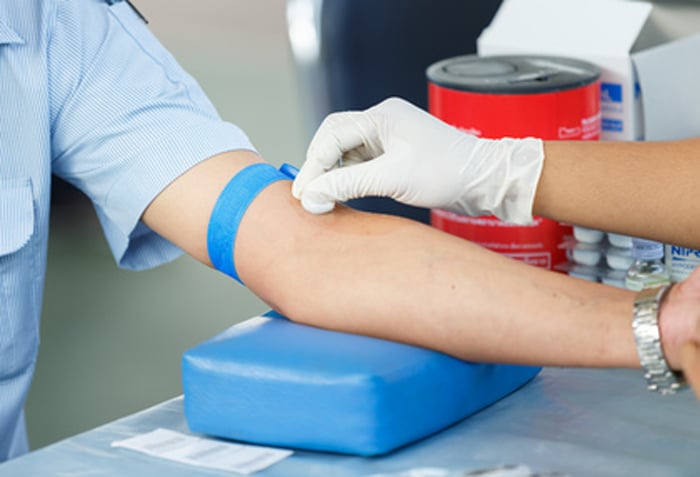
The primary duty of a phlebotomist is to accurately and safely collect blood samples from patients. This process involves selecting appropriate sites, using correct techniques, and ensuring sample integrity.
- venipuncture: Using a needle to draw blood from a vein, typically in the arm.
- Capillary draws: Using a lancet to obtain blood from fingertip or heel (especially for infants).
- Handling and Labeling: Properly labeling samples to prevent mix-ups.
- Transporting Samples: Ensuring samples are stored and transported under proper conditions for testing.
2. Ensuring Patient Comfort and Safety
Phlebotomists are often the first healthcare professionals patients encounter during blood draws. They must create a comfortable environment, explain procedures clearly, and address patient concerns.
- Providing reassurance and calming anxious patients.
- Monitoring for adverse reactions, such as fainting or allergic responses.
- Applying pressure and bandages appropriately post-collection.
3. Adherence to Safety and Infection Control Protocols
Maintaining sterile techniques and following safety guidelines are vital responsibilities to prevent infections and ensure safety for both patients and staff.
- Using gloves and sterile equipment.
- Proper disposal of needles and sharps.
- Following OSHA and CDC guidelines.
4. Accurate Documentation and Record keeping
Efficient and precise documentation ensures patient data integrity and helps laboratory personnel process samples correctly.
- Recording patient information accurately.
- Documenting the type and quantity of blood drawn.
- Reporting any abnormalities or issues encountered during collection.
5. Patient Identification and Verification
Before blood collection, verifying patient identity minimizes errors that could compromise test results.
- Checking wristbands or ID cards.
- Confirming patient details verbally.
6. Equipment Maintenance and Inventory Management
Phlebotomists are responsible for ensuring collection tools and supplies are well-maintained, sterile, and stocked.
- Inspecting needles, tourniquets, and collection tubes.
- Reporting shortages or equipment malfunctions.
Additional Essential Roles in Patient Care
1. Providing Educational Support
Educating patients about blood tests, fasting requirements, and post-draw care can alleviate anxiety and improve compliance.
2. Supporting Laboratory Staff
Ensuring that the collected specimens meet quality standards directly supports the accuracy of lab results,crucial for diagnosis and treatment.
3. Promoting Overall Patient Experience
Friendly interaction, professionalism, and empathy foster trust and encourage patients to return for future care or donations.
Benefits of Skilled Phlebotomy Services
- Accurate Test Results: Ensures reliable laboratory analysis.
- Enhanced patient Safety: Minimizes risk of infection or complications.
- Efficient blood Supply Management: Supports blood banks and donation drives.
Practical Tips for Aspiring phlebotomists
- Develop strong communication skills to put patients at ease.
- Practice proper technique to minimize pain and complications.
- Stay updated with the latest safety protocols and industry standards.
- Maintain meticulous records for accuracy and compliance.
Case Study: The Impact of a Compassionate Phlebotomist
| Scenario | Action | Outcome |
|---|---|---|
| Anxious pediatric patient | Provided calming reassurance and distraction techniques | Prosperous blood draw with minimal distress |
| Sample labeling error | Identified and corrected the mistake immediately | Maintained test accuracy and patient trust |
| Equipment shortage | Reported promptly, preventing delays | Continued smooth workflow and patient safety |
First-Hand Experience: A Day in the Life of a Phlebotomist
From early morning blood draws in the hospital to collecting donations at community centers, phlebotomists experience a varied and rewarding day.Their work requires precision,compassion,and resilience. Building rapport with patients and ensuring sample integrity are cornerstones of their role.
Conclusion
the responsibilities of a phlebotomist extend far beyond drawing blood. They are vital players in the healthcare ecosystem,ensuring the safety,comfort,and accuracy of blood collection procedures. their dedication directly impacts patient outcomes and the efficiency of diagnostic and treatment processes. Whether in hospitals, clinics, or blood banks, skilled phlebotomists uphold the highest standards of care and professionalism, making them indispensable in modern healthcare.
If you’re interested in pursuing a career as a phlebotomist or simply want to understand this essential healthcare role better, remember that compassion, precision, and adherence to safety protocols are key to success.