Phlebotomy vs. Medical Assistant: Which Healthcare Career fits You Best?
Embarking on a career in healthcare offers numerous rewarding opportunities, but deciding which path to pursue can sometimes be challenging. Two popular entry-level healthcare roles are phlebotomist and medical assistant. Both positions play crucial roles in patient care and healthcare operations, yet they differ considerably in responsibilities, training, and career outlook. In this complete guide, we’ll compare phlebotomy and medical assisting to help you determine which healthcare career aligns best with your interests, skills, and goals.
Understanding the Basics: What Are Phlebotomists and Medical Assistants?
What is a Phlebotomist?
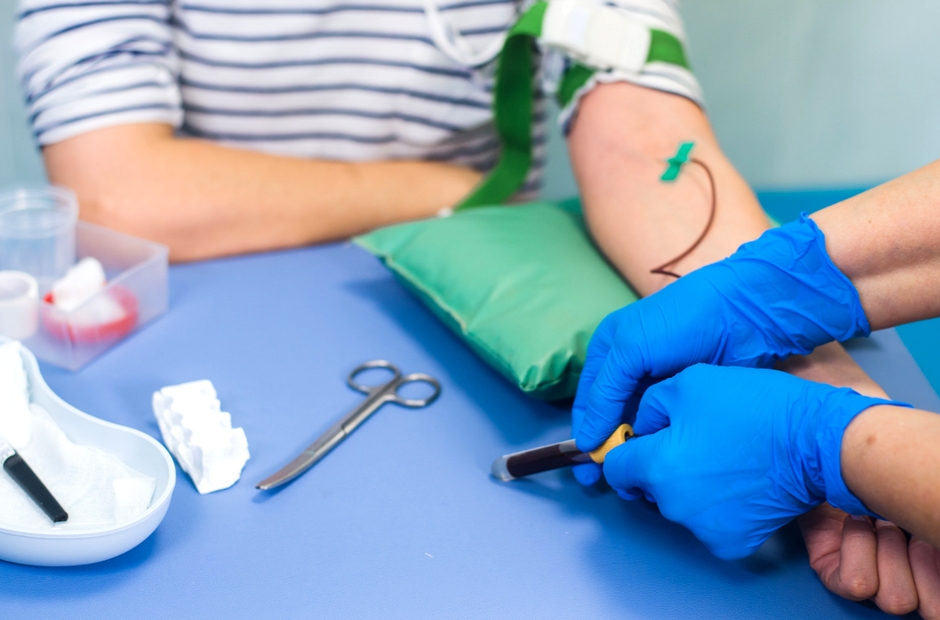
A phlebotomist specializes in drawing blood from patients for laboratory testing,transfusions,donations,or research. This role requires precision, excellent patient interaction skills, and a thorough understanding of safety procedures.
What is a Medical Assistant?
A medical assistant handles a broad range of tasks, from clinical procedures like taking vital signs to administrative duties such as scheduling appointments and managing patient records. This role demands versatility, organizational skills, and a compassionate approach to patient care.
Key Differences Between Phlebotomy and Medical Assisting
| Aspect | Phlebotomy | Medical Assisting |
|---|---|---|
| Primary Focus | Drawing blood and specimen collection | Clinical and administrative duties in healthcare settings |
| training Duration | Usually 1-4 months (certificate) | Typically 9 months to 1 year (certificate or diploma) |
| Certification | Certifications such as CPT (Certified Phlebotomy Technician) | CPMA (Certified medical administrative Assistant) or CMA (Certified Medical Assistant) |
| Workplace Settings | Hospitals,laboratories,clinics,blood banks | Doctors’ offices,clinics,hospitals,outpatient care centers |
| Average Salary (Annual) | $36,000 – $40,000 | $34,000 – $40,000 |
| Job Outlook | Projected growth of 17% (2022-2032) | Projected growth of 13% (2022-2032) |
Job Responsibilities and daily Tasks
phlebotomy: Daily Tasks and responsibilities
- Drawing blood from patients using needles and vials
- Preparing specimens for laboratory testing
- Maintaining sterile environments and safety protocols
- Labeling and handling specimens accurately
- assisting with patient identification and comfort
Medical Assisting: Daily Tasks and Responsibilities
- Taking patient’s vital signs like blood pressure and temperature
- Assisting physicians during examinations and procedures
- Administering injections and performing basic laboratory tests
- Managing patient records and scheduling appointments
- Handling billing,coding,and insurance paperwork
Which Career Path is right for You? (Consider These Factors)
Interest and Skill Compatibility
If you’re fascinated by laboratory work and enjoy working closely with blood samples,phlebotomy might be the ideal choice. Conversely, if you prefer a more diverse role involving both patient interaction and administrative tasks, medical assisting could be more fulfilling.
Education and Certification Requirements
Both careers require specific training, but the length and scope vary.Phlebotomy certificates can often be obtained in a few months, making it a quick entry into healthcare. Medical assisting programs tend to take longer due to the broader skill set needed but offer more comprehensive training.
Work Environment Preferences
do you see yourself working mostly in a laboratory or blood bank? Or do you prefer a front-office role in a doctor’s clinic? your preferred work environment can influence your choice.
Salary and job Outlook
Both roles offer comparable salaries and positive job growth, but local demand and specific settings can affect your career trajectory.
Benefits and practical Tips for Aspiring Healthcare Professionals
Benefits of Choosing a Career in Phlebotomy
- Quick entry into the healthcare field
- High demand in medical laboratories and hospitals
- Chance to specialize further in laboratory diagnostics
Benefits of Becoming a Medical Assistant
- Versatile job duties and skill development
- Broader employment opportunities across healthcare settings
- Potential for career advancement into healthcare management or specialized roles
Practical Tips for Getting Started
- Research local training programs and certifications
- Gain hands-on experience through internships or volunteer work
- Stay informed about industry certification requirements
- Develop strong interpersonal skills and attention to detail
case Studies: First-Hand Experiences
Emma’s Journey as a phlebotomist: Emma completed a 3-month phlebotomy certification program and now works in a busy hospital blood bank. She appreciates the focused nature of her role and enjoys helping patients feel agreeable during blood draws.
John’s Path as a Medical Assistant: John trained as a medical assistant in a 10-month program. He works in a pediatric clinic, balancing clinical duties with administrative tasks and finds the role both challenging and rewarding, with plans to specialize further in patient care coordination.
Conclusion: Choosing the Right Healthcare Career for You
Deciding between phlebotomy and medical assisting ultimately depends on your interests, career goals, and preferred work environment. both careers offer rewarding opportunities to make a difference in patients’ lives and enter the healthcare industry quickly. Whether you thrive on specimen collection or enjoy a mix of clinical and administrative work, understanding your strengths will guide you toward the most suitable healthcare pathway.
Remember, pursuing continued education and certification is key to advancing your career and increasing earning potential. Take the time to explore your options, gain practical experience, and choose the healthcare role that fits your passion and aspirations best!