How to Become a licensed Phlebotomy Technician: Your Path to a Rewarding Healthcare Career
Are you interested in entering the healthcare field with a focused, impactful role? Becoming a licensed phlebotomy technician offers an excellent opportunity to start your career in the medical sector. Not only is it a rewarding profession, but it also provides job stability, competitive salaries, and the chance to make a difference in patients’ lives. In this thorough guide, we will walk you through the essential steps to become a licensed phlebotomy technician, the benefits of this profession, practical tips for success, and real-world insights into what it takes to excel in this field.
What is a Licensed Phlebotomy technician?
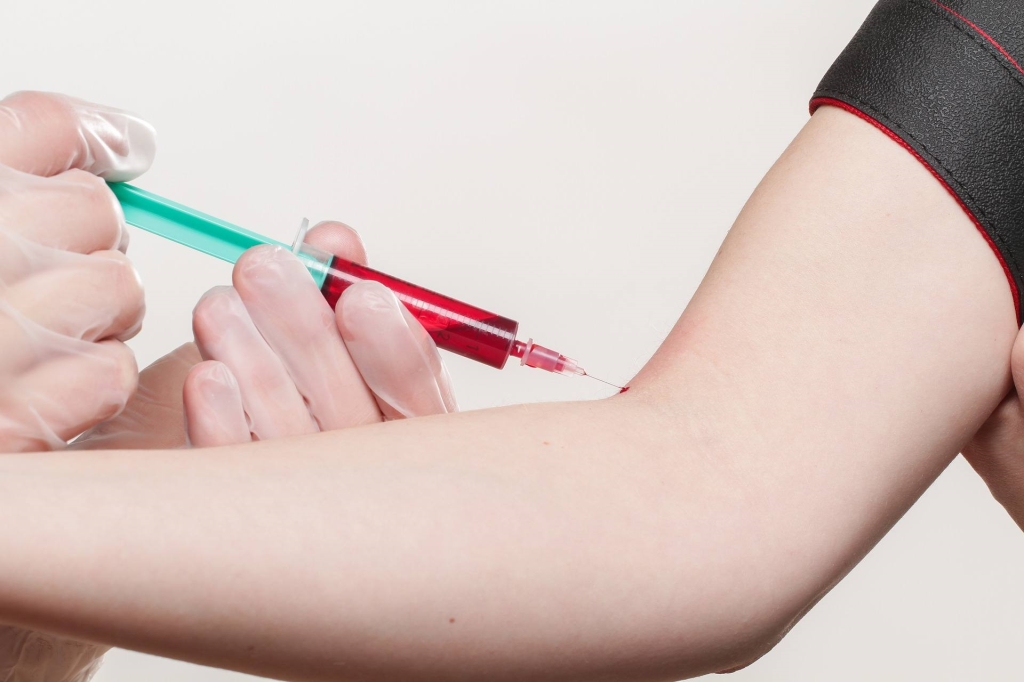
A licensed phlebotomy technician is a healthcare professional trained to draw blood samples from patients for laboratory testing, blood donations, transfusions, or research. They play a crucial role in healthcare diagnostics, ensuring the safe and accurate collection of blood specimens.Becoming licensed affirms your competence and adherence to industry standards, which is vital for employment and professional growth.
Why Pursue a Career as a Phlebotomy Technician?
- High demand for skilled professionals: Increasing need for laboratory testing and diagnostics fuels job growth.
- Swift certification process: Many programs can be completed in a few months.
- Entry-level healthcare position: No extensive medical background required initially.
- Rewarding work environment: Direct patient interaction and vital contributions to healthcare outcomes.
- Competitive salary: Earnings often range from $30,000 to $45,000 per year depending on location and experiance.
How to Become a Licensed Phlebotomy Technician: Your Step-by-Step Guide
1. Meet Basic Requirements
- Be at least 18 years old
- Have a high school diploma or GED
- Possess good dialog and interpersonal skills
- Be able to stand for extended periods and handle stressful situations
2. Enroll in a Phlebotomy Training Program
Look for accredited phlebotomy training programs offered by community colleges, vocational schools, or healthcare institutions. These programs typically include classroom instruction combined with practical hands-on experience covering topics such as anatomy, blood collection techniques, safety protocols, and infection control.
| Training Program Features | Description |
|---|---|
| Length | Usually 1-4 months, depending on the program |
| Clinical practice | Hands-on experience with real patients |
| Certification Exam readiness | focused modules to prepare for licensing exams |
| Cost | Typically $1,000 – $3,000 |
3. Obtain Phlebotomy Certification
While certification requirements vary by state, most employers prefer or require candidates to hold a recognized certification to qualify for licensing. the main certifying agencies are:
- American Society for Clinical Pathology (ASCP)
- National Phlebotomy Association (NPA)
- American Medical Technologists (AMT)
- National Healthcareer Association (NHA)
Prepare for and pass the certification exam relevant to your chosen agency. Certification enhances your credibility and boosts job prospects.
4. Apply for State Licensure
Many states require licensure or registration to work legally as a phlebotomy technician.Check your state’s specific requirements through the state health department or licensing board. The application typically involves submitting proof of certification, completing a background check, and paying a fee.
5. Find Employment in the Healthcare Sector
Start applying for positions in hospitals, clinics, labs, blood donation centers, and long-term care facilities. Having a current license or certification will significantly improve your employment chances.
Benefits of becoming a Licensed Phlebotomy Technician
- Job security: Growing healthcare needs ensure stable employment opportunities.
- Flexible Work Environment: Opportunities in hospitals, outpatient clinics, diagnostic labs, and mobile blood drives.
- Quick Entry into Healthcare: Fast-paced, short training programs allow you to start sooner.
- Personal Fulfillment: Helping patients and contributing to critical health diagnostics.
- Career Advancement: Possibilities to specialize further or pursue advanced healthcare roles.
practical Tips for Aspiring Phlebotomy Technicians
- Gain good hand-eye coordination and comfort working with needles and blood samples.
- Develop excellent communication skills for patient interactions, especially with anxious or pediatric patients.
- Seek internships or volunteer opportunities to gain real-world experience.
- Stay updated on the latest safety and infection control protocols.
- Prepare thoroughly for certification exams with practice tests and study guides.
First-Hand Experience & Case Studies
Many successful phlebotomy technicians started with nothing but a certification and passion for helping others. For example, Sarah, a recent graduate, shared:
“Getting certified was the best decision I made. It opened up opportunities that I never thought possible. Now, I work in a hospital, drawing blood for critical tests, and I love the direct impact I make in patients’ diagnoses.”
Similarly,John transitioned into healthcare from a different career by completing a short-term phlebotomy program. His story highlights how accessible this career path is with determination and proper training.
Conclusion
Becoming a licensed phlebotomy technician is a fulfilling and practical pathway into the healthcare industry. With a clear plan that includes meeting basic requirements, completing accredited training, obtaining certification, and securing licensure, you can launch a stable and rewarding career in just a few months. The demand for skilled phlebotomists continues to rise,making it an excellent choice for those interested in making a difference while enjoying job security and growth opportunities.Start your journey today and take the first step towards a healthcare career that truly matters!