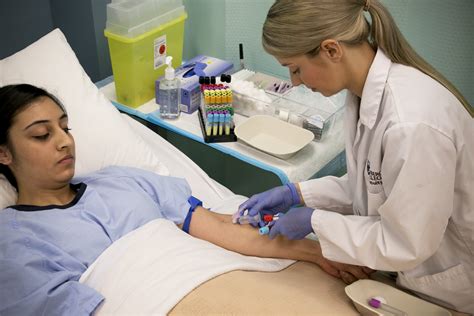
Mastering Phlebotomy: Essential On-the-Job Training Tips for Aspiring Phlebotomists
Embarking on a career in phlebotomy offers a rewarding opportunity to contribute to patient care through blood collection and laboratory testing.While formal education provides a solid foundation,mastering phlebotomy requires hands-on experiance,practical skills,and continuous learning. For aspiring phlebotomists, effective on-the-job training is crucial in developing confidence, competence, and professionalism. This comprehensive guide offers essential tips to help you excel during yoru training and set a strong foundation for your career in phlebotomy.
Why Is On-the-Job Training Essential for Phlebotomists?
On-the-job training stands out as a vital component of becoming a skilled phlebotomist. It bridges the gap between theory and practice, enhancing your ability to handle real-world scenarios confidently. Here are some benefits:
- Hands-on Skill Advancement: Practicing blood draws under supervision sharpens your technique and helps you learn nuanced procedures.
- Patient Interaction Skills: Direct experience helps you develop empathy, communication, and professionalism with patients.
- Understanding Clinical Habitat: You gain insight into the workflow, safety protocols, and responsibilities within a healthcare setting.
- Building Confidence: Repeated practice reduces anxiety and improves your ability to handle complex or challenging samples.
- Preparation for Certification: Real-life experience is often required for certification exams and increases employability.
practical Tips for Effective On-the-Job Phlebotomy Training
To maximize your training experience, focus on practical skills, safety, and professionalism.Here are key tips:
1. Prioritize Patient Comfort and Safety
- always confirm patient identity before procedures.
- Use proper hand hygiene and wear personal protective equipment (PPE).
- Explain every step to reduce patient anxiety.
- Apply the correct tourniquet tension and needle technique to minimize discomfort.
2. Master Proper Venipuncture Techniques
- Practice locating suitable veins, such as median cubital, cephalic, or basilic veins.
- Choose the correct needle gauge and collection tubes for each sample.
- maintain stability of the collection tube during blood draw.
- Respect patience and avoid excessively probing or multiple attempts.
3. Emphasize Safety and Infection Control
- Dispose of sharps immediately in designated containers.
- Follow protocols for cleaning equipment and disinfecting surfaces.
- Stay updated on OSHA and CDC guidelines for bloodborne pathogens.
4. Engage in active Observation and Feedback
- ask your supervisor for feedback after each procedure.
- Observe experienced phlebotomists to learn different techniques and tips.
- Record your experiences and reflect on areas for advancement.
5. Develop Soft Skills and Professionalism
- Maintain a positive, empathetic attitude towards patients.
- communicate clearly and professionally.
- Be punctual, reliable, and attentive to detail.
- Build rapport to ease patient cooperation.
Case Studies: Learning from Real-Life Phlebotomy Scenarios
| Scenario | Challenge | Lesson Learned |
|---|---|---|
| Patient with very small veins | Difficulty in locating suitable veins leading to multiple attempts. | Patience and selecting alternative sites can improve success. Using warm compresses helps increase vein visibility. |
| Patient feeling faint during blood draw | Risk of patient fainting or experiencing discomfort. | ensure patient is seated or supine, monitor symptoms, and provide reassurance. |
| Contamination risk with improper glove use | Potential for breach of infection control protocols. | Always use gloves correctly, change them between patients, and disinfect work surfaces. |
First-Hand Experience: Building Confidence as a Phlebotomist
Gaining practical experience is by far the best way to master phlebotomy. During your on-the-job training, actively seek opportunities to practice, ask questions, and learn from seasoned professionals. Remember:
- Start with simple draws and gradually progress to more complex cases.
- Enjoy the learning process and embrace mistakes as part of growth.
- Take notes on techniques that work best for different patients.
- Maintain professionalism and a compassionate approach at all times.
Additional Success Strategies for Aspiring Phlebotomists
- Stay Informed: Keep up with latest developments, technology, and guidelines in venipuncture.
- Practice Regularly: Dedicate time outside of work to rehearse techniques and build muscle memory.
- Seek Mentorship: Build relationships with experienced colleagues for guidance and advice.
- Be Patient and Persistent: Skill mastery takes time; stay motivated and proactive.
Conclusion
Mastering phlebotomy requires dedication,practical experience,and continuous learning. On-the-job training provides the essential platform to develop technical skills, professionalism, and confidence needed for successful blood collection. By focusing on patient safety, honing your techniques, and embracing real-life challenges, aspiring phlebotomists can build a rewarding career in healthcare. Remember, every draw is an opportunity to improve, and with persistence, you’ll become proficient at your craft. Embark on your training journey with enthusiasm, and you’ll be well on your way to mastering phlebotomy!