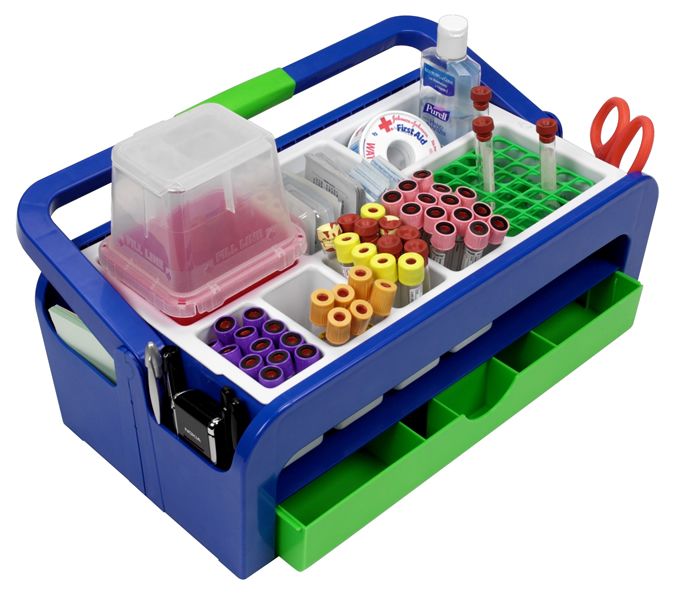
Everything You Need to Know about Phlebotomy: A Complete Guide for Beginners
Embarking on a career in healthcare can be exciting adn rewarding.Among the many specialized roles, phlebotomy stands out as a vital and accessible entry point for aspiring medical professionals. Whether you’re considering becoming a certified phlebotomist or simply want to understand what the profession entails, this thorough guide covers all you need to know about phlebotomy—from basics and training to benefits and practical tips.
What Is Phlebotomy? An Introduction
Phlebotomy is the medical procedure of drawing blood from a patient for laboratory testing, transfusions, donations, or research. The person trained to perform this task is called a phlebotomist. While it may sound simple,it requires precision,skill,and a thorough understanding of patient care.
This role is crucial in healthcare settings such as hospitals, clinics, blood donation centers, and research laboratories, making phlebotomy a fundamental component of medical diagnostics and treatment.
Core Responsibilities of a Phlebotomist
- Preparing patients for blood collection
- Correctly selecting and labeling blood collection tubes
- Using proper techniques for blood collection (venipuncture or capillary puncture)
- Ensuring patient comfort and safety
- Properly handling and transporting blood samples
- Maintaining sterilization and safety protocols
Necessary Skills and Qualities for a Successful Phlebotomist
- Attention to detail: Accurate labeling and collection are vital
- Good communication skills: comforting and explaining procedures to patients
- Manual dexterity: Precise needle placement and handling equipment
- Patience and empathy: Dealing with anxious or uncooperative patients
- physical stamina: Standing for long periods and handling equipment
How to become a Certified Phlebotomist
Becoming a certified phlebotomist involves a series of steps,including education,training,and certification. Here’s a step-by-step overview:
Educational Requirements
- High school diploma or equivalent (GED)
- Completion of a phlebotomy training program
Phlebotomy Training Programs
Training programs typically include classroom instruction and practical hands-on experience. They cover:
- Blood collection techniques
- Safety and infection control
- Patient interaction
- Basic anatomy and physiology
Certification Options and Requirements
While certification is not legally required in all states, earning a professional credential can improve job prospects and earning potential.Popular certifying agencies include:
- American Society for Clinical Pathology (ASCP)
- National Phlebotomy Association (NPA)
- American Medical Technologists (AMT)
| certification Agency | Requirements | Validity Period |
|---|---|---|
| ASCP | Completed training + exam | 3 years |
| NPA | Training + practical exam | 3 years |
| AMT | Experience + exam | 3 years |
Essential Phlebotomy Techniques
Venipuncture Process
Venipuncture involves inserting a needle into a vein, typically in the arm, to draw blood.Here are the basic steps:
- explain the procedure to the patient
- Apply a tourniquet to locate a suitable vein
- Disinfect the puncture site
- Insert the needle at a 15-30 degree angle
- Allow blood to flow into collection tubes
- Remove the needle and apply pressure to prevent bleeding
Capillary Puncture (Fingerstick)
Used mainly for small blood samples or capillary testing, this technique involves pricking the fingertip or heel. Proper technique includes:
- Cleaning with alcohol swab
- Puncturing the side of the fingertip
- Using micro-collection devices
- Applying gentle pressure afterward
Benefits of a Career in Phlebotomy
Why Choose Phlebotomy?
- High demand: Healthcare needs continue to grow, increasing job opportunities
- Relatively swift training: Certification programs often take a few months
- entry point in healthcare: Good for transitioning into medical careers
- Flexible work environments: Hospitals, clinics, mobile blood drives, and more
- Impactful profession: Contributes directly to patient care and medical diagnostics
Practical Tips for Aspiring Phlebotomists
- Practise consistently to improve your technique
- Prioritize patient comfort and explain procedures clearly
- Maintain strict safety and hygiene protocols
- Build good relationships with team members and patients
- Stay updated with the latest practices and certifications
Case Study: A Day in the Life of a Phlebotomist
Meet sarah: Certified Phlebotomist at a Community Clinic
Sarah started her career after completing a 6-month certification program. Her daily routine involves collecting blood samples from diverse patients, ensuring comfort, and accurately labeling specimens. Her attention to detail and compassionate approach have made her a trusted team member, enabling her to quickly handle vein punctures and troubleshoot common issues like collapsed veins or patient anxiety.
Conclusion
phlebotomy is a rewarding and essential healthcare profession that offers a great pathway into the medical field. With proper training, certification, and a compassionate approach, you can build a successful career that makes a real difference in patient health outcomes. Whether you’re just starting out or seeking a flexible healthcare role, phlebotomy is a skill worth investing in. Stay committed to learning, practicing your techniques, and maintaining professional standards—and you’ll find this field full of opportunities and personal growth.