How to Register for Phlebotomy Training: A Complete Guide to Starting Your Healthcare Career
introduction
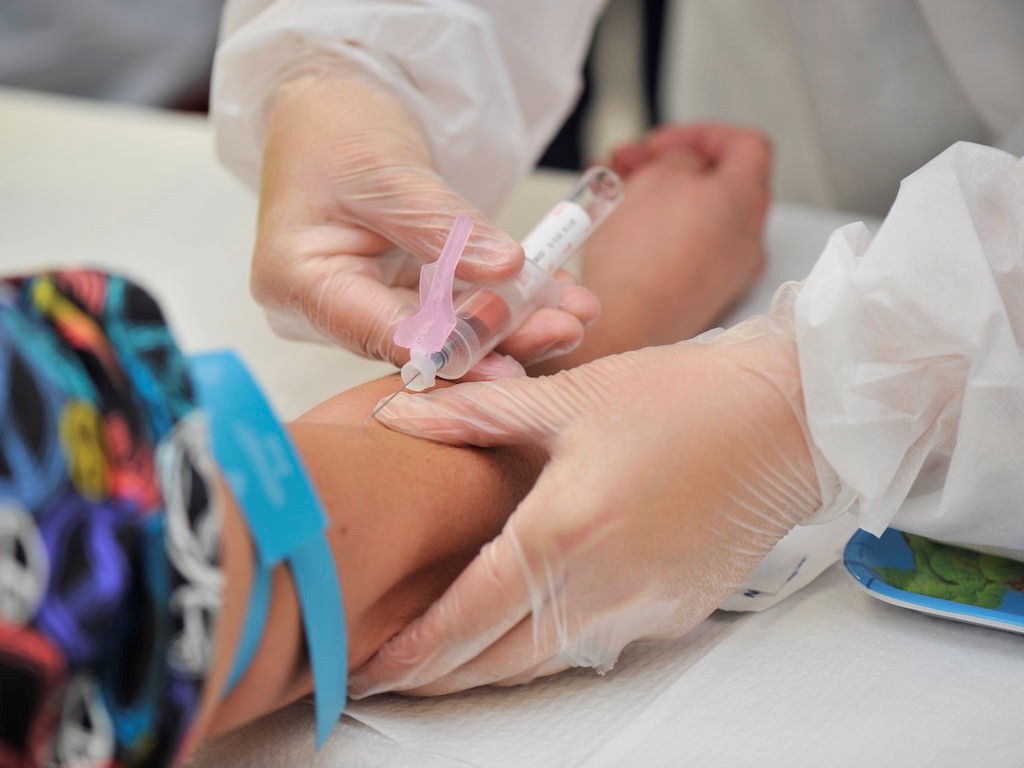
If you’re passionate about healthcare and interested in a rewarding career helping peopel, becoming a phlebotomist might be the perfect choice. Phlebotomy involves drawing blood for tests, donations, and transfusions-an essential skill in medical laboratories, hospitals, and clinics.To start your journey, you’ll need to register for phlebotomy training. This complete guide will walk you through the entire process, provide practical tips, and highlight the benefits of certification. Let’s explore how to turn your healthcare aspirations into reality!
Understanding Phlebotomy Training and Certification
Before diving into the registration process, it’s crucial to understand what phlebotomy training entails. Phlebotomy courses cover anatomy, safety protocols, blood collection techniques, and patient interaction. Many states require certified phlebotomists, making formal training and certification invaluable for employment.
The typical steps include:
- Completing a recognized training programme
- Passing a certification exam
- Obtaining state or national certification (if required)
Now, let’s look at how you can register for these training programs efficiently.
Step-by-Step Guide to Registering for Phlebotomy training
1.research Accredited Phlebotomy Programs
Start by identifying reputable training providers. Look for programs accredited by organizations such as the National Center for Competency Testing (NCCT) or the American Society for Clinical Pathology (ASCP). Accreditation ensures the training meets industry standards and increases employment prospects.
Useful tips:
- Check if the program is approved by your state’s health department.
- Read student reviews and success stories.
- Verify the curriculum covers both theoretical knowledge and practical skills.
2. Review Admission Requirements
each program may have specific prerequisites. Common requirements include:
- High school diploma or GED
- Basic knowledge of biology or healthcare
- Age requirements (typically 18+)
- Background checks (if applicable)
Ensure you meet these before proceeding with your request.
3. Gather Necessary Documents
Preparing your documentation in advance will streamline your registration process. Typical documents include:
- Photo ID (driver’s license,passport)
- High school diploma or diploma transcript
- CPR certification (if required)
- Application form
- Application fee (if applicable)
4. Complete the Application
Most programs allow online or in-person applications. Follow the instructions carefully, filling out all required fields. double-check for accuracy before submitting.
Tip: Keep confirmation emails or receipts for your records.
5. Pay Registration fees
Many programs charge registration or tuition fees. Payment options may include credit/debit cards,checks,or online bank transfers. confirm the fee amount in advance and inquire about financial aid or installment plans if needed.
6. Attend an Orientation or Interview
Some programs require an orientation session or interview to assess your suitability and motivation. Prepare to discuss your career goals and questions about the program.
7. Enroll and Prepare for Training
Once accepted, you’ll receive details about class schedules, materials, and clinical practicum dates. Start reviewing relevant materials and gather supplies if necessary.
Benefits of Successfully Registering for Phlebotomy Training
| Benefit | Description |
|---|---|
| Rapid Entry into Healthcare | Phlebotomy programs are typically short-term, enabling you to start working in a healthcare setting within months. |
| High Demand for Phlebotomists | The healthcare industry increasingly relies on skilled phlebotomists, ensuring good job prospects. |
| Opportunities for Advancement | Phlebotomy can serve as a stepping stone for other healthcare roles, such as nursing or medical laboratory technician. |
| Rewarding Work | Providing vital services and helping patients feel at ease makes this career fulfilling. |
Practical Tips for a Smooth Registration Process
- Start research early to compare programs.
- Ensure your documents are current and organized.
- Attend informational sessions or webinars offered by training providers.
- Reach out to program advisors with questions.
- Consider online or hybrid courses if flexibility is needed.
case Study: Success Story of a Future Phlebotomist
Jane Doe,23,always wanted to pursue a healthcare career but was unsure where to start. After researching accredited phlebotomy programs, she enrolled in a local community college’s course.She completed her training within three months, gained certification, and secured a phlebotomy position at a regional hospital. Jane states,”The registration process was straightforward,and the practical skills I learned have opened doors for me in healthcare.”
First-Hand Experience: What to Expect During Phlebotomy Training
Training involves classroom instruction combined with hands-on practice. Expect to learn about:
- Blood collection techniques
- Patient interaction and communication skills
- Blood safety and infection control
- Legal and ethical considerations
Many programs include clinical externships, allowing you to apply skills in real-world settings under supervision.
Conclusion
Registering for phlebotomy training is a vital step toward launching a rewarding career in healthcare. By following the outlined steps-researching accredited programs, preparing your documents, understanding requirements, and completing your application-you can pave the way for a successful future as a certified phlebotomist. Embrace the learning process, leverage practical tips, and remember the benefits of this in-demand profession. Your healthcare journey begins today-take the first step and register for phlebotomy training now!