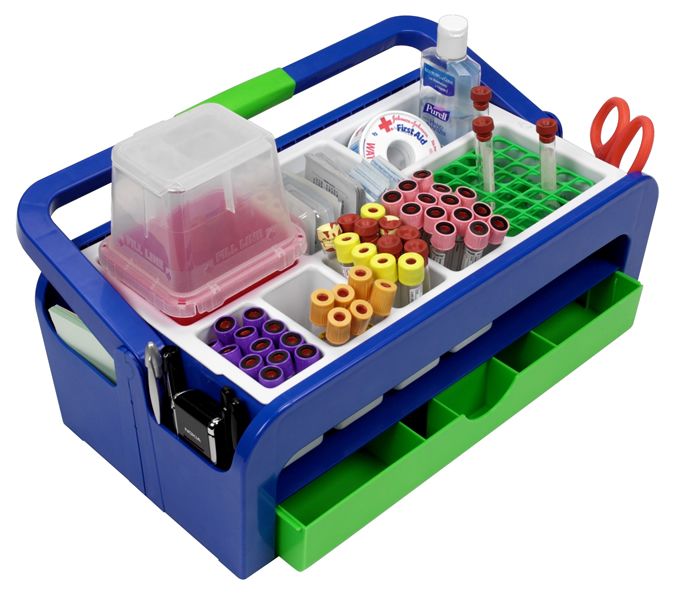
Phlebotomy Accessories: The Essential Tools for Successful Blood Draws
Introduction:
Phlebotomy is the practice of drawing blood from patients for various medical purposes, such as diagnostic testing, transfusions, or research. It is a crucial part of healthcare that requires skill, precision, and the right tools to ensure patient safety and sample accuracy. In addition to training and experience, phlebotomists rely on a range of accessories to perform their job efficiently and effectively. In this article, we will explore the essential phlebotomy accessories that every practitioner should have in their toolkit.
1. Phlebotomy Needles:
Phlebotomy needles are among the most important tools for drawing blood. They come in various gauges, lengths, and types to accommodate different patient needs and specific procedures. The most common types of phlebotomy needles include:
– Vacutainer Needles: These needles are used with vacuum tubes to collect blood samples. They come in different gauges, typically ranging from 20 to 23, with smaller gauges being thicker and bigger for faster blood flow.
– Butterfly Needles: Also known as winged infusion sets, butterfly needles are used for patients with small or fragile veins. They are easier to maneuver and less painful for the patient.
2. Blood Collection Tubes:
Blood collection tubes, also known as vacutainers, are used to collect and store blood samples for testing. These tubes come in various colors, each representing a different additive or test requirement. Common types of blood collection tubes include:
– Red Top Tubes: Used for serum tests, chemistry, and immunology.
– Lavender Top Tubes: Used for hematology tests, such as complete blood count (CBC) and blood film.
– Green Top Tubes: Used for basic chemistry tests, such as glucose levels.
3. Tourniquets:
Tourniquets are elastic bands used to restrict blood flow to the vein, making it easier to locate and access. They help distend the veins and prevent them from rolling, making the blood draw process smoother and less painful for the patient.
4. Alcohol Swabs:
Alcohol swabs are essential for cleaning the site of the blood draw to prevent infection. They are used to disinfect the skin before inserting the needle, ensuring a sterile environment and reducing the risk of contamination.
5. Adhesive Bandages:
Adhesive bandages are used to cover the puncture site after the blood draw is complete. They help prevent bleeding, promote healing, and protect the site from infection. Bandages come in various sizes and shapes, allowing phlebotomists to choose the most appropriate option for each patient.
6. Phlebotomy Chairs:
Phlebotomy chairs are specially designed chairs that provide comfort and support for patients during blood draws. These chairs are adjustable, allowing patients to sit or recline at the optimal angle for venous access. They are equipped with armrests and footrests to ensure patient stability and relaxation during the procedure.
Conclusion:
Phlebotomy accessories are essential tools that play a crucial role in the blood drawing process. From needles and tubes to tourniquets and alcohol swabs, each accessory serves a specific function to ensure a successful and safe blood draw. By having the right accessories in their toolkit, phlebotomists can efficiently perform their job and provide quality care to patients. Investing in high-quality phlebotomy accessories is key to ensuring accurate blood samples and a positive patient experience.