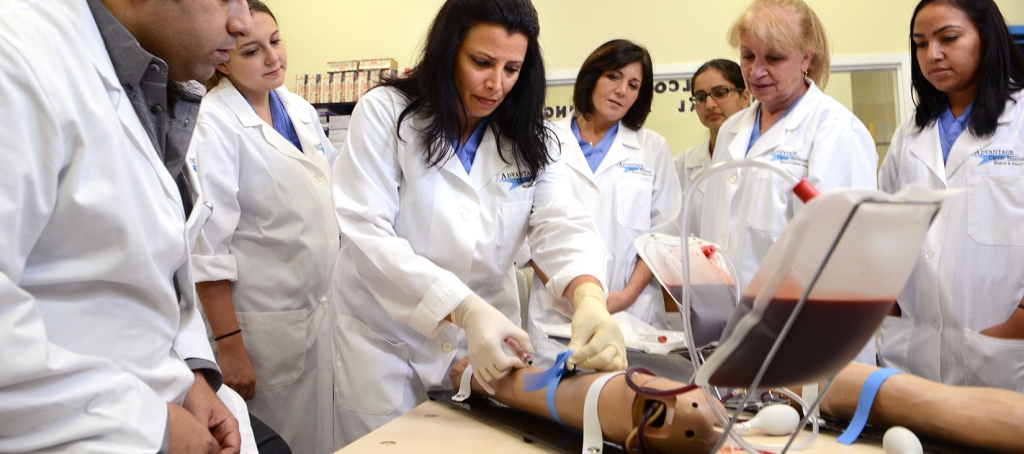
Top Phlebotomy Courses in NYC: Your Gateway to a Successful Medical Career
If you’re exploring a fast, rewarding entry point into healthcare, phlebotomy might be your perfect start. In New York City, a bustling hub of hospitals, clinics, blood banks, and specialty labs, skilled phlebotomists are in steady demand. A solid phlebotomy course in NYC can equip you with the hands-on skills, safety protocols, and certification prep you need to land an entry-level role and advance in a medical career.
Why phlebotomy matters in NYC
Phlebotomy is more than drawing blood. It’s about patient care, precision, cold-chain management for specimens, and teamwork within fast-paced environments. In NYC, employers-from community clinics to major medical centers-seek phlebotomy technicians who demonstrate reliable technique, strong communication, and a firm grasp of safety standards. A reputable phlebotomy course in NYC will typically cover:
- Venipuncture and capillary techniques
- Specimen labeling, handling, and transport
- Safety, infection control, and OSHA compliance
- Basic anatomy and physiology relevant to blood collection
- phlebotomy equipment and order of draw
- Certification exam preparation (CPT or equivalent)
In many NYC settings, completion of a recognized phlebotomy certificate substantially improves job prospects and potential earning power. It also opens doors to entry-level healthcare roles that can serve as a stepping stone toward broader clinical careers.
How to choose the right phlebotomy course in NYC
Choosing a program that fits your goals, schedule, and budget is crucial. Here are practical criteria to consider when evaluating phlebotomy courses in NYC:
Look for programs aligned with widely accepted certification bodies (for example, CPT/NHA or ASCP). Certification isn’t always mandatory, but most employers prefer or require it. Short-term, intensive certificates are common, but some programs spread over several weeks or months. Decide between in-person, online with hands-on labs, or hybrid delivery. Ensure the program includes real-life practice with supervision, not just theory. Lab time and clinical externships are valuable. Externships or clinical rotations help you gain real patient-facing experience and build a resume. Compare tuition, lab fees, and equipment costs. Check for scholarships,employer tuition assistance,or government aid. Programs with job placement help, resume review, and interview coaching can be especially helpful in NYC’s competitive market.
Top NYC phlebotomy course options by category
New York City offers a range of pathways to phlebotomy certification. below is a breakdown of common options you’ll encounter, with what to expect from each category.
Community college certificate programs
Community colleges within the NYC area are a popular, affordable route to phlebotomy training. These programs typically blend classroom instruction with supervised lab time and a clinical externship. You’ll often earn a certificate upon completion, and many are structured to align with CPT certification prep.
- Pros:
- Lower cost per credit and financing options
- Established partnerships with local healthcare providers for externships
- Transfer-amiable if you ever pursue additional healthcare studies
- Cons:
- Schedules may be fixed around college terms; part-time options may be limited
- May require commuting within NYC boroughs
Private allied health schools and career tech centers
Private institutions that specialize in allied health often offer fast-track phlebotomy certificates with flexible formats, including evening cohorts. They can provide intensive hands-on training and strong job-placement support, especially for students aiming to enter the local healthcare workforce quickly.
- Pros:
- Shorter program lengths and intensive labs
- Focused career services and employer connections in NYC
- Cons:
- Higher tuition than some community colleges
- Certification exam prep quality can vary; verify outcomes
Hospital-based or health system programs
Some NYC hospitals and health systems run phlebotomy training for current or prospective employees. These programs can be highly practical, offering direct access to on-site labs and potential job placement within the same system after certification.
- Pros:
- Direct exposure to hospital workflows and patient populations
- Strong ties to hospital hiring pipelines
- Cons:
- Limited enrollment slots and admission criteria
- Frequently enough requires commitment to a specific employer or program duration
Online and hybrid programs with NYC hands-on labs
For students who need versatility, online phlebotomy programs with a local hands-on lab component can be a good fit. In NYC,you’ll typically complete theory online,then participate in supervised in-person lab sessions and clinical practice in a local partner facility or with a sponsoring employer.
- Pros:
- Flexible scheduling and remote learning options
- Access to national certification prep with local lab experience
- Cons:
- Need to arrange reliable local lab access; not all programs offer universal NYC lab sites
- Quality varies; verify accreditation and outcomes
Rapid program comparison (quick glance)
| Program Type | Typical Duration | Certification Prep | Pros | Cons | Typical Cost (USD) | Format |
|---|---|---|---|---|---|---|
| Community college certificate | 4-6 months | Included CPT/NHA prep | Affordable, local, hands-on labs | Schedules may align with term dates | $400-$1500 | In-person or hybrid |
| Private allied health school | 8-12 weeks | Included CPT/NHA prep | Fast track to employment, career services | Higher cost; variable transferability | $1500-$3500 | In-person |
| Hospital-based program | 6-12 weeks | On-site certification; internship | Direct clinical exposure; strong local network | Limited enrollment; potential employer ties | $0-$2000 (often covered by employer) | In-person |
| Online with NYC hands-on labs | 6-14 weeks | Online theory + local lab prep | Flexible; self-paced theory with practical labs | Requires arranging local lab access | $800-$3000 | Hybrid |
What you’ll learn in a top NYC phlebotomy course
A solid phlebotomy program in NYC covers both technical skills and professional habits. Typical modules include:
- Medical terminology and anatomy basics relevant to phlebotomy
- Venipuncture and capillary collection techniques
- Blood collection equipment, order of draw, and specimen labeling
- Specimen handling, transport, and chain of custody
- Patient interaction skills, privacy, and cultural sensitivity
- Safety, infection control, and OSHA standards
- Emergency procedures and body mechanics to prevent injuries
- Certification test prep and practice exams
Having a program with hands-on practice and an externship is especially valuable in NYC, where patient expectations and workflow can be fast-paced. When you finish, you’ll be prepared to pursue entry-level roles such as Phlebotomy Technician, specimen Assistant, or Laboratory Courier depending on employer needs and your interests.
Benefits and practical tips for NYC students
- Tip: Verify certification acceptance. Ensure the program prepares you for a nationally recognized certification (CPT, NHA, or ASCP) and that the exam is widely accepted by NYC employers.
- Tip: Plan finances early. Check for scholarships, tuition reimbursement through employers, or government aid. Community colleges often have more flexible payment options.
- Tip: Schedule strategically. If you’re working, look for evening or weekend cohorts, or a blended online option with reliable in-person labs.
- tip: Build your resume with externships. A clinical externship in a NYC clinic or hospital can be a differentiator and lead to internships or job offers.
First-hand experience: what real students say
Hearing from people who have walked this path can help you gauge what to expect. Here are two fictional but representative snapshots inspired by common outcomes you might encounter:
Case study: Maria’s journey from class to clinic
Maria enrolled in a community college phlebotomy certificate program in NYC.She appreciated the mix of classroom theory and hands-on practice in the on-campus lab, followed by a 6-week externship at a neighborhood clinic. After earning her CPT prep and certification, she landed a role as a Phlebotomy Technician at a busy outpatient clinic. Maria emphasizes the value of a strong lab component and supportive career services in helping her prepare for job interviews.
Case study: Andre’s rapid career switch
Andre, a non-clinical professional, chose a private allied health school for an accelerated phlebotomy certificate. The program’s evening schedule fit his work life, and the school provided a robust job placement network in NYC. After finishing the program,Andre secured a position in a hospital outpatient lab,where the hands-on practice and real-world simulations helped him feel confident on day one.
Tips for success and next steps
- Choose a program that includes a clinical externship or internship.Real patient interaction builds confidence and resumes.
- Check the certification path early. Most employers recognize CPT (from NHA) or ASCP; verify what your target employers require.
- Prepare for the interview by highlighting safety, accuracy, and patient communication. Emphasize your commitment to sterile technique and privacy.
- Consider continuing education. After phlebotomy, you may pursue advanced roles like MT (Medical Technologist) or CLS (Clinical Laboratory Scientist) with additional schooling.
- Budget for ongoing costs. In addition to tuition, you may pay for textbooks, uniforms, and lab supplies.
Frequently asked questions (quick hits)
Do I need a licence to work as a phlebotomist in NYC? Requirements vary by employer and state. In New York,many employers require or strongly prefer nationally certified phlebotomy technicians,but licensing is not universal. always verify with prospective employers.
How long does it take to become a phlebotomy tech in NYC? Most certificate programs range from about 4 to 12 months, depending on the format and whether you attend full-time or part-time.
What is the typical cost? Community college programs are usually more affordable (roughly a few hundred to a bit over a thousand dollars),while private schools can be higher. Expect to budget for exam fees, supplies, and uniforms as needed.
Next steps: actionable plan to start today
- Identify your goal: immediate entry into the workforce vs. building toward broader clinical roles.
- Research NYC options: check program length, format, externship opportunities, and how the curriculum aligns with CPT or ASCP exam prep.
- Request a tour or trial class if possible. See the lab surroundings and ask about clinical partners.
- Prepare financially: compare tuition, look for financial aid, and confirm any employer tuition assistance programs.
- Apply and enroll: submit applications, complete prerequisites (like a high school diploma or GED), and schedule your clinical components.
Conclusion: your gateway to a thriving medical career in NYC
Phlebotomy courses in NYC offer a practical, efficient route into healthcare. With the city’s vast network of hospitals, clinics, and laboratories, a well-chosen phlebotomy training program can unlock meaningful entry-level positions and set you up for future growth in the medical field. Whether you prefer a community college pathway, a private school fast-track, a hospital-based program, or a flexible online option with local labs, there is a NYC phlebotomy course designed to fit your life and career goals. Invest time in researching accreditation, externship opportunities, and certification prep-these factors frequently enough determine how quickly you’ll transition from student to skilled professional in the Big Apple’s dynamic healthcare scene.
Ready to start? Map out your NYC options, verify certification prep, and choose a program that aligns with your schedule and budget.Your gateway to a successful medical career awaits in the heart of new York City.