H1: How Much Do Phlebotomists earn? A Complete Guide to Phlebotomist Income in 2024
Introductory overview
Phlebotomy is a vital healthcare role that combines clinical skills with patient care.If you’re exploring a career as a phlebotomist or you’re already in the field and want to know how your pay stacks up, you’re in the right place. In 2024, phlebotomist income varies widely based on location, experience, employer, and whether you work regular hours or a travel/contract role. This comprehensive guide dives into current salaries, what influences them, how to maximize earnings, real-world scenarios, and practical tips to advance your career.
Section 1: What is a phlebotomist and why does pay vary?
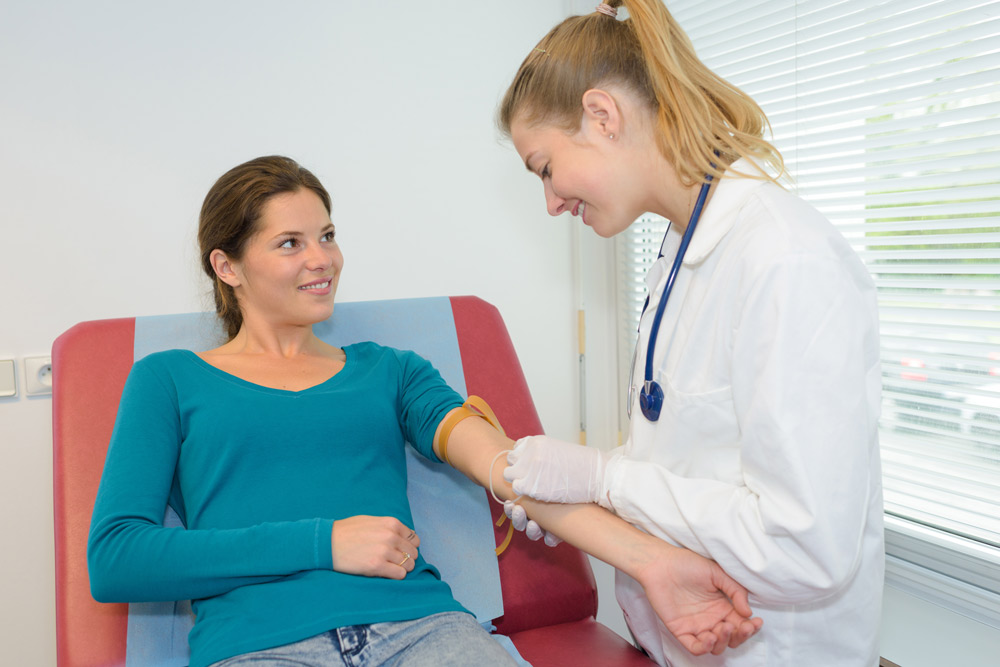
- Core role: Phlebotomists are frontline healthcare workers who collect blood samples for tests,transfusions,donations,and research. They must follow strict safety protocols, maintain accuracy, and provide compassionate patient care.
– Why pay varies: Pay differences come from regional cost of living, demand for healthcare workers, hospital vs. clinic settings, and whether you take on additional responsibilities (e.g., specimen processing, data entry, venipuncture for pediatric patients).
Section 2: How phlebotomist pay is calculated
– hourly wage vs.annual salary: Many phlebotomists are paid hourly,with overtime and shift differentials affecting total earnings. Some employers offer an annual salary, especially for lead or supervisory positions.
– Overtime and shift differentials: Night shifts, weekends, and holidays often come with premium pay. Travel or per-diem roles may offer higher hourly rates but with less job stability.
– certifications and credentials: Certifications (for example, Certified Phlebotomy Technician or CPT) can unlock higher pay bands and better job prospects. Additional credentials may also open doors to specialized roles.
Section 3: national averages and typical ranges in 2024
Note: salary ranges vary by region and employer. The figures below reflect common market bands seen in 2024 across many U.S.urban and rural settings. Local job postings will give you the most accurate picture for your area.
- Typical hourly wages: Approximately $14 to $30 per hour, depending on experience, location, and employer type.
– Annual earnings (before tax): Roughly $29,000 to $62,000, with most entry- to mid-level phlebotomists clustering in the $30k-$46k range in many markets.
– Factors that push pay higher: Advanced certifications,travel/contract roles,working in large hospital systems,specialized clinical areas (pediatrics,oncology),and evening/night/weekend hours.
Section 4: Salary by region and experience (illustrative table)
The following table provides a simple, compact snapshot of typical ranges.It’s designed for quick reference and to help you benchmark where you might land based on experience and role.All figures are approximate and intended to illustrate trends rather than guarantee exact wages.
| Experience Level | estimated Hourly Wage | Estimated Annual Salary |
|---|---|---|
| Entry-level (0-1 year) | $14-$18/hr | $29k-$37k |
| Mid-level (1-5 years) | $18-$23/hr | $37k-$48k |
| Senior/Lead (5+ years) | $23-$30/hr | $48k-$62k |
| Travel/Per diem | $22-$35/hr | $45k-$70k |
Section 5: Salary by region trends
– Urban vs.rural: Urban centers and tech/medical hubs typically offer higher pay due to cost of living and greater demand for healthcare services.
– Regional variability: States and metro areas with higher living costs or larger hospital systems tend to offer higher wages, while rural areas may pay less but offer more availability of jobs or consistent hours.
– Employer type matters: Hospitals and large health systems often provide more competitive compensation and benefits than small clinics or private labs.
Section 6: Certifications and education that impact earnings
– Core credential: Certified Phlebotomy Technician (CPT) or equivalent from a recognized body (e.g., ASCP, NHA, ACA).
– Additional credentials: Specialties such as pediatric phlebotomy,neonatal phlebotomy,or safety/compliance certifications can differentiate you from peers.
– Impact on pay: Certification frequently enough correlates with higher starting pay and faster advancement to lead roles,especially in competitive markets.
Section 7: How to boost phlebotomist earnings in 2024
- Get certified and stay certified: Maintain your credentials and pursue continuing education credits to remain competitive.
– Pursue travel or per diem work: travel phlebotomists often command higher hourly rates, with the trade-off of variability in schedule.
– Seek roles with expansion opportunities: positions that include patient education,specimen processing,data entry,or phlebotomy supervisor duties can raise pay.
– Work night/weekend shifts strategically: Differential pay for non-standard hours can accumulate to a meaningful bump.
– Target high-paying environments: Large hospitals, trauma centers, or specialty clinics (e.g., oncology, transplant, pediatrics) may offer higher pay or signing bonuses.
– Complement with related skills: Basic phlebotomy plus ECG tech, medical assisting, or specimen handling can open dual-role opportunities.- build a strong resume and interview narrative: Emphasize accuracy, compassion, efficiency, and familiarity with electronic health records (EHR).
Section 8: Benefits beyond salary
– Health insurance options, retirement plans, paid time off, and tuition assistance are common in hospital settings.
– Career stability: Healthcare roles generally offer steady demand, even during economic fluctuations.
– Personal growth: Frontline patient interaction and diverse clinical settings help build transferable skills for broader healthcare careers.
Section 9: First-hand experiences and case studies
Case Study A: New graduate entering phlebotomy
– Background: Recent allied health graduate starting as a certified phlebotomy tech.
– Pay trajectory: Entry-level wage around $15-$18/hr, with potential to move up to $22-$25/hr within a couple of years as experience grows and additional certifications are earned.
– Takeaway: Prioritize certification and seek roles that offer on-the-job training for growth.
Case Study B: Travel phlebotomist in a high-demand region
– Background: Experienced phlebotomist taking 3-6 month assignments in multiple cities.
– Pay trajectory: Hourly rates commonly in the $25-$35/hr range, with occasional higher offers for critical-care or underserved areas; total annual earnings may exceed $60k if assignments are frequent.
– Takeaway: Travel roles can substantially boost earnings, but plan for scheduling adaptability and housing stipends.
Case Study C: Leader or senior phlebotomy tech
– Background: Phlebotomist with 5+ years and supervisory responsibilities.
– Pay trajectory: Higher salary band at $25-$30/hr or more, plus potential bonuses and system-wide incentives.- Takeaway: Leadership roles often come with additional responsibilities (training staff, quality control, scheduling) and can materially improve earnings.
Section 10: Practical tips for job seekers and current phlebotomists
– Build a strong foundation: Start with a reputable program and earn a core CPT credential.
– Quantify your impact: In your resume, highlight accuracy rates, patient feedback, and efficiency metrics (e.g., time to draw, specimen rejection rates).
– Seek professional progress: Attend workshops on new venipuncture techniques, safety protocols, and EHR systems.- Network: Join regional healthcare associations or phlebotomy groups to learn about higher-paying opportunities.
– Research local markets: Use job boards to compare pay by city and hospital system, and target metropolitan areas with higher demand.
Section 11: Career path and long-term outlook
– Entry path: phlebotomist → Senior phlebotomy tech → Lead or supervisor roles (phlebotomy supervisor, specimen management lead).
– Lateral moves: With related certifications (medical assisting, MT/MLS pathways, or lab support roles), you may transition to broader laboratory or clinical roles.
– Demand outlook: Healthcare demand continues to grow, with aging populations and expanded diagnostic testing driving steady demand for phlebotomy professionals.
section 12: Tips for optimizing your resume and interview performance
– Highlight clinical proficiency: Venipuncture success rates, safety compliance, and patient communication strengths.
– Emphasize tech skills: Proficiency with EHR systems, LIS (laboratory information systems), barcode scanning, and specimen labeling accuracy.
– Show versatility: Hospital, clinic, and lab experience; pediatric or neonatal exposure; travel or per diem experience.
Section 13: Frequently asked questions (FAQ)
– Q: Is phlebotomy a good paying job in 2024?
A: Phlebotomy offers solid, stable pay with opportunities to increase earnings through certifications, travel assignments, and senior roles. While it may not match the top salaries in some medical specialties, it provides steady growth, strong demand, and clear advancement paths.
– Q: What is the fastest way to increase phlebotomy pay?
A: Get certified, pursue additional credentials, consider travel/contract roles, and aim for hospitals or larger health systems that offer higher wages and shift differentials.
– Q: Are travel phlebotomists paid hourly or per diem?
A: Travel roles are often hourly with stipends for housing and travel. Rates can be higher than average, but schedules can be more demanding.
– Q: What certifications should I pursue?
A: Start with a reputable phlebotomy certification (CPT) and consider specialization certifications (e.g., pediatric phlebotomy) or additional allied health credentials to broaden job options.
conclusion
Phlebotomist income in 2024 reflects a dynamic market shaped by geography, experience, and the scope of duties. With prudent planning-getting certified, pursuing higher-paying environments, and considering travel assignments-you can maximize earnings while enjoying a stable and meaningful healthcare role. Whether you’re just starting out or aiming to move into leadership, the combination of clinical skills, patient-centered care, and strategic career moves can lead to a rewarding, well-compensated phlebotomy career.
If you’d like, I can tailor the salary ranges to a specific state or city you’re targeting, or help you draft a resume and cover letter focused on phlebotomy roles in your area.