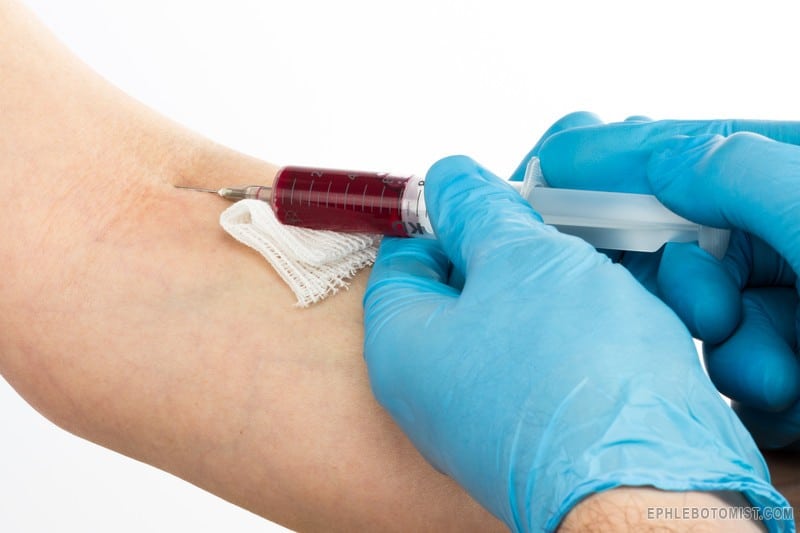
Phlebotomy On The Job Training: A Comprehensive Guide
Phlebotomy is a crucial healthcare profession that involves drawing blood from patients for various medical tests, transfusions, donations, or research. Phlebotomists play a vital role in the healthcare system, ensuring that blood samples are collected accurately and safely. If you’re interested in pursuing a career in phlebotomy, one of the best ways to gain the necessary skills and experience is through on-the-job training.
What is On-The-Job Training?
On-the-job training (OJT) is a form of learning that takes place while an individual is performing their job. In the context of phlebotomy, OJT involves learning how to draw blood, handle specimens, interact with patients, and navigate the healthcare environment under the guidance of experienced phlebotomists. This hands-on training provides valuable real-world experience that can help you develop the skills and confidence needed to excel in your role.
The Benefits of On-The-Job Training in Phlebotomy
There are several benefits to pursuing on-the-job training in phlebotomy:
- Hands-on Experience: OJT allows you to practice drawing blood and handling specimens in a real healthcare setting, helping you develop the practical skills needed for success.
- Professional Mentoring: Working closely with experienced phlebotomists can provide you with valuable guidance, feedback, and support as you learn the ropes of the profession.
- Job Opportunities: Completing OJT at a healthcare facility can increase your chances of securing a job as a phlebotomist at the same institution or elsewhere.
Practical Tips for Phlebotomy On-The-Job Training
Here are some practical tips to help you make the most of your on-the-job training experience in phlebotomy:
- Ask questions: Don’t be afraid to ask your mentors for clarification or guidance when you’re unsure about a procedure or technique.
- Practice regularly: The more you practice drawing blood and handling specimens, the more confident and skilled you will become.
- Seek feedback: Use feedback from your mentors to identify areas for improvement and work on enhancing your skills.
Case Study: Sarah’s Experience with On-The-Job Training in Phlebotomy
Sarah, a recent graduate of a phlebotomy certification program, secured an on-the-job training opportunity at a local hospital. During her training, she had the chance to shadow experienced phlebotomists, practice drawing blood on patients, and handle various specimens. Through hands-on experience and mentorship, Sarah gained the skills and confidence needed to become a successful phlebotomist. After completing her training, Sarah was offered a full-time position at the hospital, where she continues to excel in her role.
Conclusion
On-the-job training is a valuable way to gain practical experience and skills in phlebotomy. By seeking out OJT opportunities, asking questions, practicing regularly, and seeking feedback, you can maximize your learning and prepare yourself for a successful career in phlebotomy. Remember, every blood draw is an opportunity to learn and grow as a phlebotomist. Good luck on your phlebotomy journey!