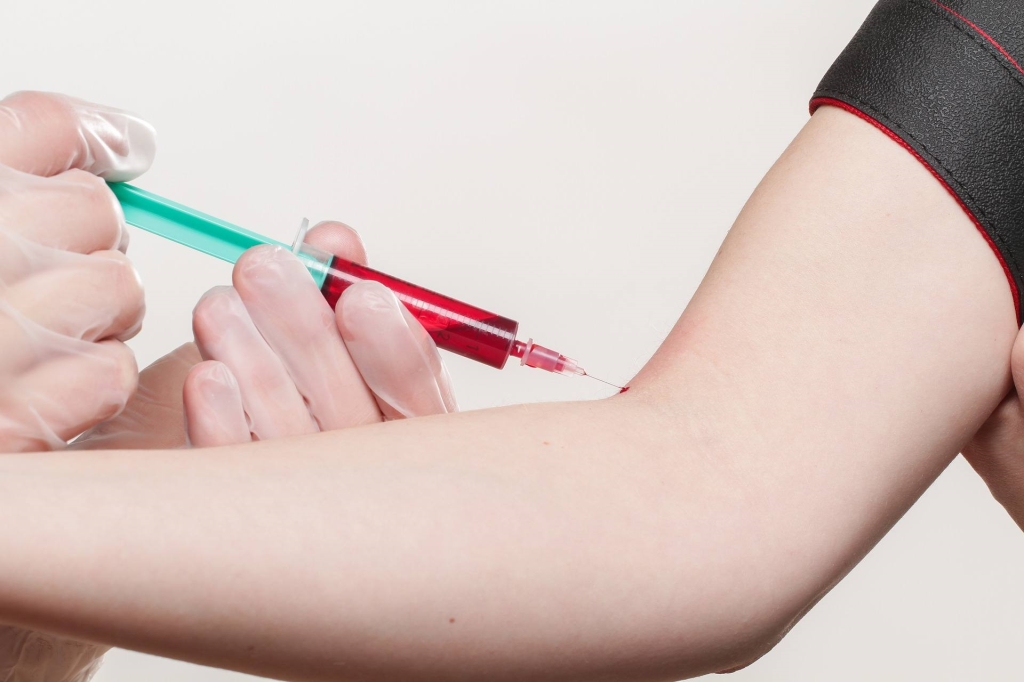
Are you interested in pursuing a career in the medical field as a phlebotomist? Becoming a certified phlebotomist can open up a world of opportunities for you in the healthcare industry. In this comprehensive guide, we will outline the steps you need to take to become a certified phlebotomist, as well as the benefits of pursuing this rewarding career path.
### Introduction
Phlebotomy is the practice of drawing blood from patients for various medical tests, transfusions, or donations. Phlebotomists play a crucial role in the healthcare system, performing venipunctures with precision and care. To become a certified phlebotomist, you will need to undergo formal training, gain hands-on experience, and pass a certification exam.
### How To Be A Certified Phlebotomist
1. **Education**: The first step in becoming a certified phlebotomist is to complete a phlebotomy training program. These programs are offered at community colleges, vocational schools, and healthcare institutions. The coursework includes anatomy, physiology, venipuncture techniques, and safety protocols.
2. **Hands-On Training**: After completing your education, you will need to gain practical experience by working in a clinical setting. This hands-on training will give you the opportunity to hone your skills under the supervision of experienced phlebotomists.
3. **Certification Exam**: Once you have completed your education and hands-on training, you will need to take a certification exam to become a certified phlebotomist. The most widely recognized certification agencies for phlebotomy include the American Society for Clinical Pathology (ASCP) and the National Healthcareer Association (NHA).
4. **Continuing Education**: In order to maintain your certification as a phlebotomist, you will need to participate in continuing education courses and renew your certification every few years. This ensures that you stay up-to-date on the latest techniques and best practices in phlebotomy.
### Benefits of Becoming a Certified Phlebotomist
– **Job Security**: The healthcare industry is always in need of skilled phlebotomists, so you can expect job security and stability in this field.
– **Career Advancement**: With additional training and experience, you can advance to roles such as phlebotomy supervisor or laboratory manager.
– **Competitive Salary**: Certified phlebotomists often earn higher salaries than non-certified phlebotomists due to their specialized skills and certification.
– **Personal Fulfillment**: Knowing that you are contributing to the health and well-being of patients can be incredibly rewarding.
### Practical Tips for Aspiring Phlebotomists
– **Practice Makes Perfect**: Don’t be afraid to practice your venipuncture skills on friends and family members to build your confidence.
- **Stay Organized**: Properly labeling and handling blood samples is essential to maintaining patient safety and accuracy in testing.
– **Develop Strong Communication Skills**: Building rapport with patients and putting them at ease can make the phlebotomy process smoother and more comfortable for everyone involved.
### Conclusion
Becoming a certified phlebotomist is a rewarding career choice for those interested in the medical field. By following the steps outlined in this guide, you can embark on a fulfilling career as a phlebotomist and make a positive impact on the healthcare industry. Remember to stay committed to ongoing education and training to continuously improve your skills and stay current in the field of phlebotomy. Good luck on your journey to becoming a certified phlebotomist!