Title: Training For A Phlebotomist: Everything You Need To Know
Meta Title: Comprehensive Guide to Phlebotomy Training for Aspiring Phlebotomists
Meta Description: Interested in becoming a phlebotomist? Learn all about the training required, the benefits of pursuing this career, and practical tips for success in this comprehensive guide.
Introduction:
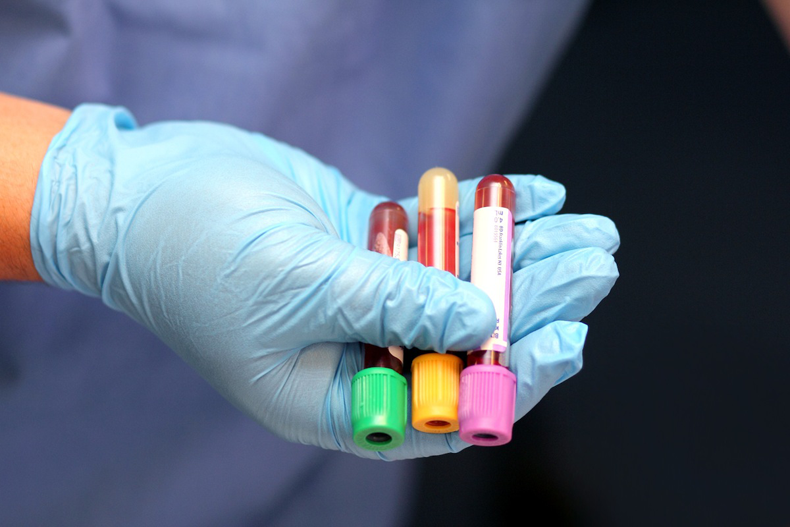
Phlebotomy is a crucial healthcare profession that involves drawing blood samples from patients for various medical procedures. As a phlebotomist, you play a vital role in the healthcare system by ensuring that blood samples are collected accurately and safely. If you are considering a career in phlebotomy, it is essential to understand the training requirements and steps involved in becoming a certified phlebotomist.
Training for a Phlebotomist:
1. Educational Requirements:
To become a phlebotomist, you will need to complete a phlebotomy training program. These programs are typically offered by vocational schools, community colleges, or healthcare facilities. The duration of the training program can vary from a few weeks to several months, depending on the institution and program requirements.
2. Curriculum:
Phlebotomy training programs cover a wide range of topics, including anatomy and physiology, medical terminology, blood collection techniques, infection control, and patient safety. Students also learn how to handle blood samples properly and how to interact with patients during the blood collection process.
3. Clinical Experience:
In addition to classroom instruction, phlebotomy training programs also include hands-on clinical experience. This is where students practice their blood collection skills under the supervision of experienced phlebotomists. Clinical experience is crucial for developing proficiency and confidence in blood collection techniques.
4. Certification:
After completing a phlebotomy training program, you may choose to pursue certification as a phlebotomist. While certification is not always required, it can enhance your job prospects and credibility as a healthcare professional. There are several certifying organizations, such as the National Healthcareer Association (NHA) and the American Society of Clinical Pathology (ASCP), that offer phlebotomy certification exams.
Benefits of Pursuing a Career in Phlebotomy:
1. Job Stability:
Phlebotomy is a growing field in the healthcare industry, and there is a consistent demand for skilled phlebotomists. As a certified phlebotomist, you can enjoy job stability and opportunities for career advancement.
2. Flexibility:
Phlebotomists often have flexible work schedules, as they may work in hospitals, clinics, laboratories, or even mobile blood donation units. This flexibility allows phlebotomists to balance work with other commitments.
3. Fulfilling Work:
Drawing blood may not be everyone’s idea of a dream job, but for phlebotomists, it can be rewarding to know that their work contributes to patient care and medical research. Phlebotomists play a crucial role in helping healthcare providers diagnose and treat various medical conditions.
Practical Tips for Success:
1. Practice makes perfect: Take every opportunity to practice your blood collection techniques and hone your skills. The more you practice, the more confident and proficient you will become.
2. Stay updated: Stay informed about the latest trends and developments in phlebotomy by attending workshops, seminars, and conferences. Continuous learning is essential for staying competitive in the healthcare field.
3. Develop good communication skills: Phlebotomists interact with patients daily, so it is important to have excellent communication skills. Make patients feel comfortable and at ease during the blood collection process.
Conclusion:
Becoming a phlebotomist requires dedication, hard work, and a commitment to ongoing learning. By completing a phlebotomy training program, pursuing certification, and staying informed about the latest developments in the field, you can build a successful career as a phlebotomist. Whether you are drawn to the stability, flexibility, or fulfillment of working in phlebotomy, this rewarding healthcare profession offers a unique opportunity to make a positive impact on patients’ lives. Start your journey to become a certified phlebotomist today!