Top Phlebotomy Questions & Expert Answers: Your Ultimate Guide to Blood Draws and Lab Tests
Whether you’re preparing for a routine blood test or facing a medical procedure that involves blood draws, understanding the ins and outs of phlebotomy can definitely help ease anxiety and improve your healthcare experience. This comprehensive guide addresses the moast frequently asked questions about blood draws and lab tests, providing expert answers, practical tips, and valuable insights.From what to expect during a blood draw to tips on recovery, we’ve got you covered!
Understanding Phlebotomy: The Basics
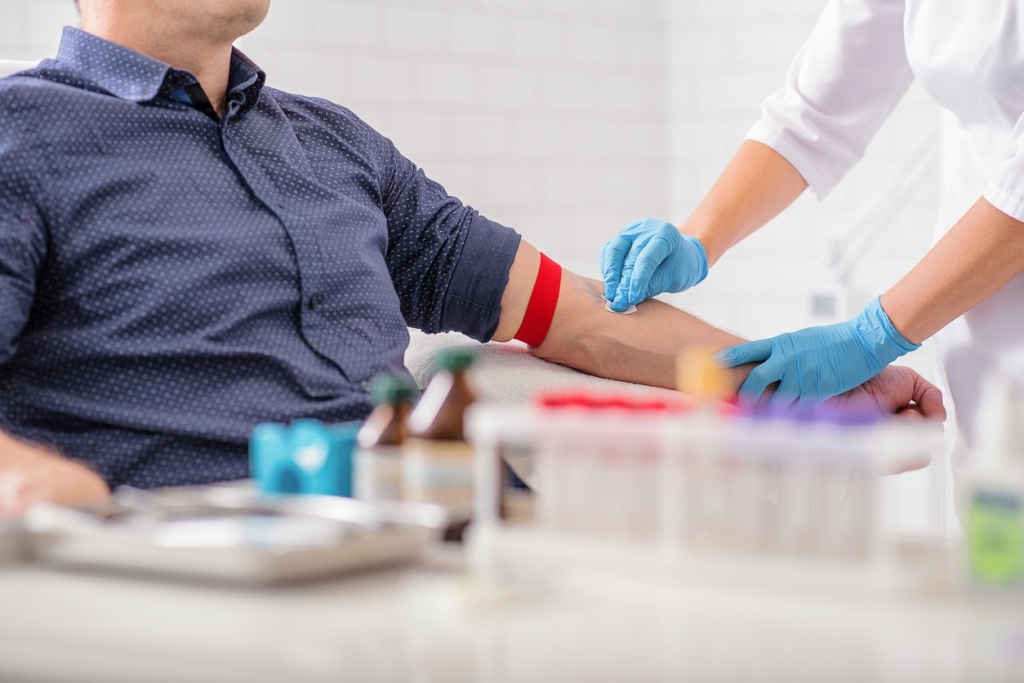
Phlebotomy is the process of drawing blood for laboratory testing, transfusions, or donations. It’s a common medical procedure performed by trained professionals called phlebotomists. Knowing what happens during blood draws can definitely help you prepare mentally and physically, reducing stress and ensuring the best possible experience.
top Frequently Asked Questions About Phlebotomy
1. What is a blood draw, and why is it necessary?
A blood draw, also known as venipuncture, involves collecting a sample of blood from a vein, typically in the arm. This sample is crucial for diagnosing medical conditions, monitoring ongoing health, or screening for diseases. Lab tests can detect issues such as anemia, infections, diabetes, and cholesterol levels, guiding effective treatment plans.
2. How should I prepare for a blood test?
Preparation varies depending on the type of test, but general tips include:
- Fasting: Some tests, like blood glucose or cholesterol, require fasting for 8-12 hours.
- Hydration: Drink plenty of water before your blood draw to make veins more accessible.
- Avoiding strenuous activity: rest the day before if instructed.
- Medication considerations: Inform your provider about medications or supplements you are taking.
Always follow your healthcare provider’s specific instructions for each test.
3. How dose a blood draw actually work?
During a blood test, the phlebotomist:
- Identifies the correct vein, usually in the arm’s antecubital fossa (inner elbow).
- Prepares the site with antiseptic to prevent infection.
- Inserts a sterile needle into the vein to collect blood into vials or tubes.
- Removes the needle once enough blood is collected.
- Applies pressure and a bandage to stop bleeding.
4. Is a blood draw painful?
most people experience onyl minor discomfort during venipuncture. some describe it as a rapid pinprick or pressure. if you’re anxious or have a fear of needles,discuss this with your phlebotomist-they can help make the experience more pleasant.
5. How long does a blood test take to process?
Processing times vary based on the tests ordered. Routine blood tests typically take a few hours to a few days.Your healthcare provider will inform you when to expect results.
6. Are there risks associated with blood draws?
While generally safe, potential risks include:
- Bruising or hematoma at the puncture site
- Infection (rare, with proper aseptic technique)
- Dizziness or fainting (more common in anxious or needle-phobic individuals)
Following post-procedure care instructions minimizes these risks.
Practical Tips for a Successful Blood Draw
- Stay relaxed: Anxiety can make veins harder to locate.
- Communicate: Let the phlebotomist know if you’re feeling nervous or uncomfortable.
- Follow fasting instructions: If required,do not eat or drink anything except water before the test.
- Ask about aftercare: Keep the bandage on and watch for any signs of infection or excessive bruising.
- Stay hydrated: Drinking water beforehand can make veins more prominent and easier to access.
Benefits of Proper Blood collection and Accurate lab Tests
Accurate blood sampling ensures reliable test results, which are fundamental for correct diagnosis and effective treatment. Properly performed phlebotomy minimizes discomfort, reduces the risk of complications, and enhances your overall healthcare experience.
Case study: Overcoming a Fear of Needles
Jane, a 45-year-old woman with a severe needle phobia, was reluctant to undergo necessary blood testing. Her healthcare team advised her to practice deep breathing exercises and visit a phlebotomy specialist skilled in working with anxious patients. With these strategies,Jane successfully completed her blood draws with minimal distress,demonstrating that preparation and communication can greatly improve the experience.
First-Hand Experience: What Patients Say
| Patient | Experience | Tips |
|---|---|---|
| Michael, 30 | “The nurse was very gentle, and I barely felt the needle.” | Stay calm and breathe deeply. |
| Susan, 55 | “Fasting made me feel dizzy, so I drank plenty of water.” | Follow fasting instructions carefully. |
| Alex, 25 | “Distraction techniques helped me during my blood draw.” | Bring a book or listen to music. |
summary & Final Thoughts
Understanding the process of phlebotomy and being prepared can make your blood draw experience much smoother.Remember to communicate openly with your healthcare provider and phlebotomist, follow any test-specific instructions, and stay relaxed.Accurate, reliable lab tests are powerful tools in managing your health, and a little preparation can go a long way in ensuring your comfort and the quality of your results.
Whether you’re a first-timer or a seasoned patient,knowing what to expect from blood draws and lab tests empowers you to take charge of your health. With expert insights and practical tips, this guide aims to make your next blood test a straightforward and stress-free experience. Stay informed, stay confident, and prioritize your health!